Travellers often associate Australia’s food scene with expensive waterfront restaurants and tasting menus. Those experiences form only one part of the picture. Public markets, suburban dining districts, bakeries, pubs, seafood shops, and Indigenous-led experiences can provide equally valuable insights.
Western Australia’s official food and drink travel section is a useful planning resource for exploring Perth, Margaret River, regional produce, seafood, wineries, and culinary experiences.
Eating Well on a Moderate Budget
Breakfast and lunch are usually the easiest meals for controlling costs. Australian cities have strong bakery, café, and takeaway cultures, while food courts often provide access to authentic Asian cuisine at lower prices than formal restaurants.
In Sydney, Chinatown and Cabramatta offer dumplings, noodles, Vietnamese soups, rice dishes, and baked goods. Melbourne visitors can explore Richmond, Footscray, Box Hill, and the Queen Victoria Market.
Adelaide Central Market is suitable for assembling an informal lunch from bread, cheese, cured meat, fruit, pastries, and coffee. Fremantle and Hobart also offer market-based options.
Discover Food Through Multicultural Neighbourhoods
Australia’s suburban dining areas often provide more cultural depth than heavily promoted visitor precincts.
Harris Park in Sydney is known for Indian cuisine, while Lakemba offers Middle Eastern and South Asian food. Melbourne’s Carlton preserves a strong Italian identity, and Richmond remains important for Vietnamese restaurants.
The value of these districts is not limited to lower prices. Family-run restaurants may specialise in regional dishes that are difficult to find on generic city-centre menus.
Approach Indigenous Ingredients Responsibly
Native ingredients are increasingly used in contemporary Australian restaurants. Finger lime may appear with seafood, wattleseed in bread or desserts, and lemon myrtle in sauces, tea, or ice cream.
Travellers should look beyond the ingredient list. Experiences involving Indigenous guides, producers, chefs, or business owners can explain the relationship between food, culture, and Country.
Before booking, examine how the operator describes sourcing, cultural participation, and community involvement. This helps distinguish meaningful engagement from superficial marketing.
Restaurants for a Special Occasion
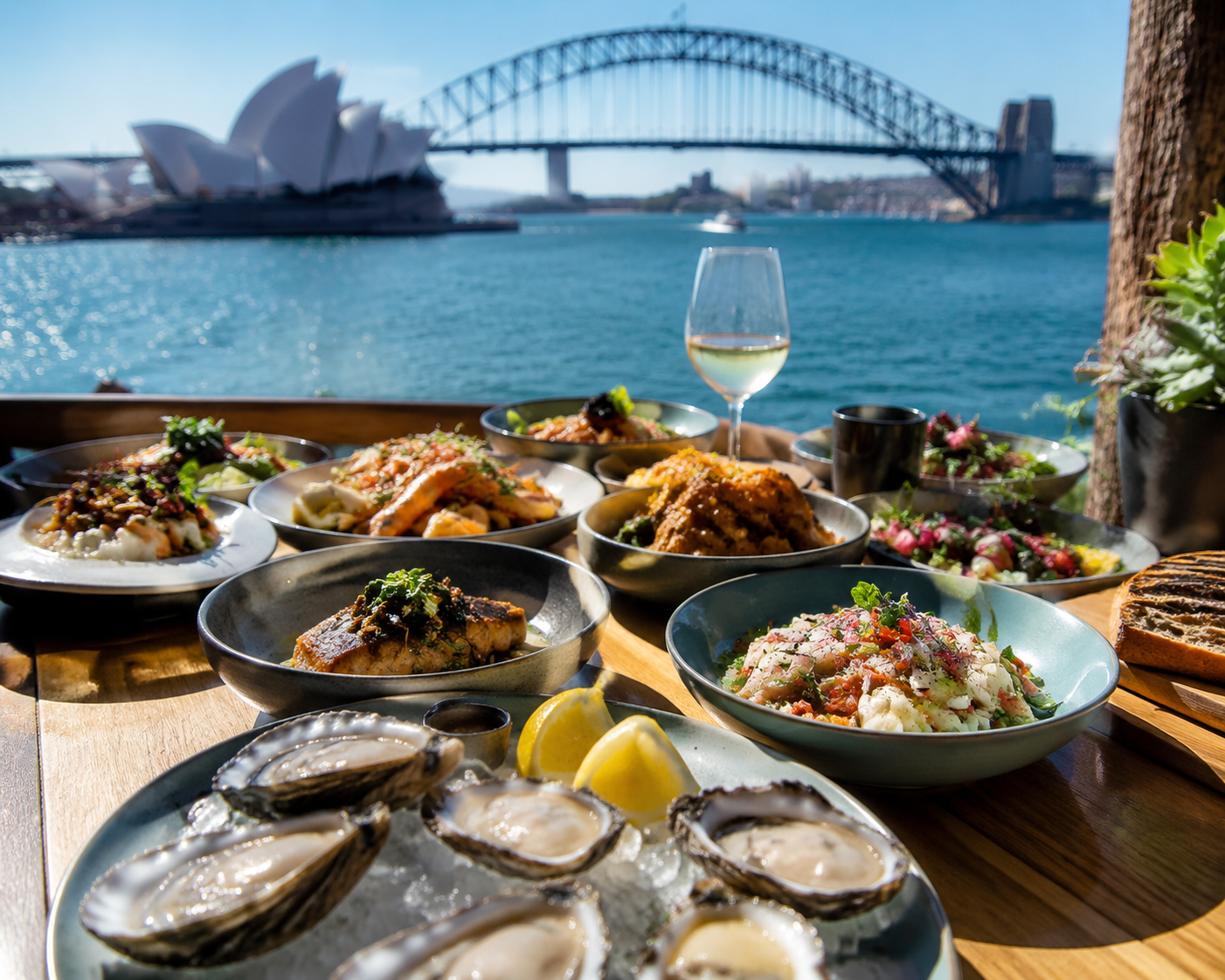
For contemporary Australian dining in Sydney, Bennelong combines food with one of the country’s most recognisable architectural settings. Saint Peter is a strong option for seafood-focused diners.
In Melbourne, Attica is suited to travellers interested in experimental tasting menus, while Maha offers refined Middle Eastern food. Adelaide’s Restaurant Botanic presents a highly seasonal format, and Africola provides a more energetic alternative.
Perth diners can research Wildflower, whose menu philosophy is influenced by Western Australia’s Indigenous seasons. In Hobart, Fico and Aloft offer intimate approaches to Tasmanian produce.
These venues may change menus frequently, making advance research essential.
Ordering Seafood and Local Produce
Australia’s extensive coastline makes seafood an important part of its culinary identity. Depending on the region and season, menus may include oysters, barramundi, prawns, rock lobster, abalone, scallops, or marron.
Ask restaurant staff where the seafood was sourced and whether it is local. The term “Australian seafood” covers enormous geographic distances, and locally landed products may provide a stronger sense of place.
Regional cheese, olive oil, wine, fruit, and meat should also be considered when comparing menus.
Smart Booking Strategies
Reserve premium restaurants in advance and read cancellation policies carefully. For casual venues, arrive outside peak dining hours to reduce waiting times.
Check public-holiday surcharges, card fees, tasting-menu conditions, and dietary restrictions. Restaurant hours can change, particularly on Sundays and Mondays.
The most rewarding food itinerary combines multiple price levels: a market breakfast, suburban lunch, regional producer visit, and one carefully chosen destination restaurant.