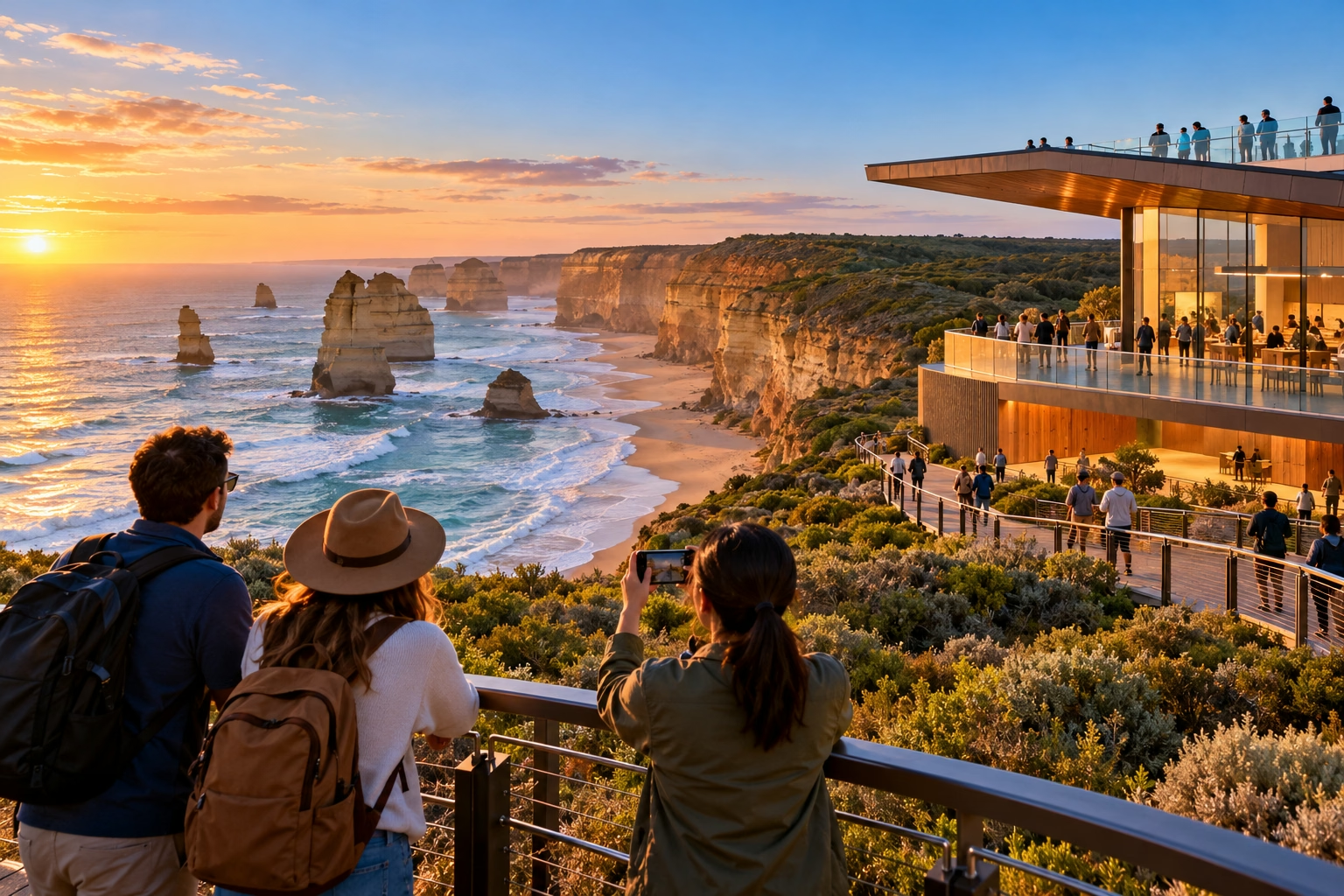
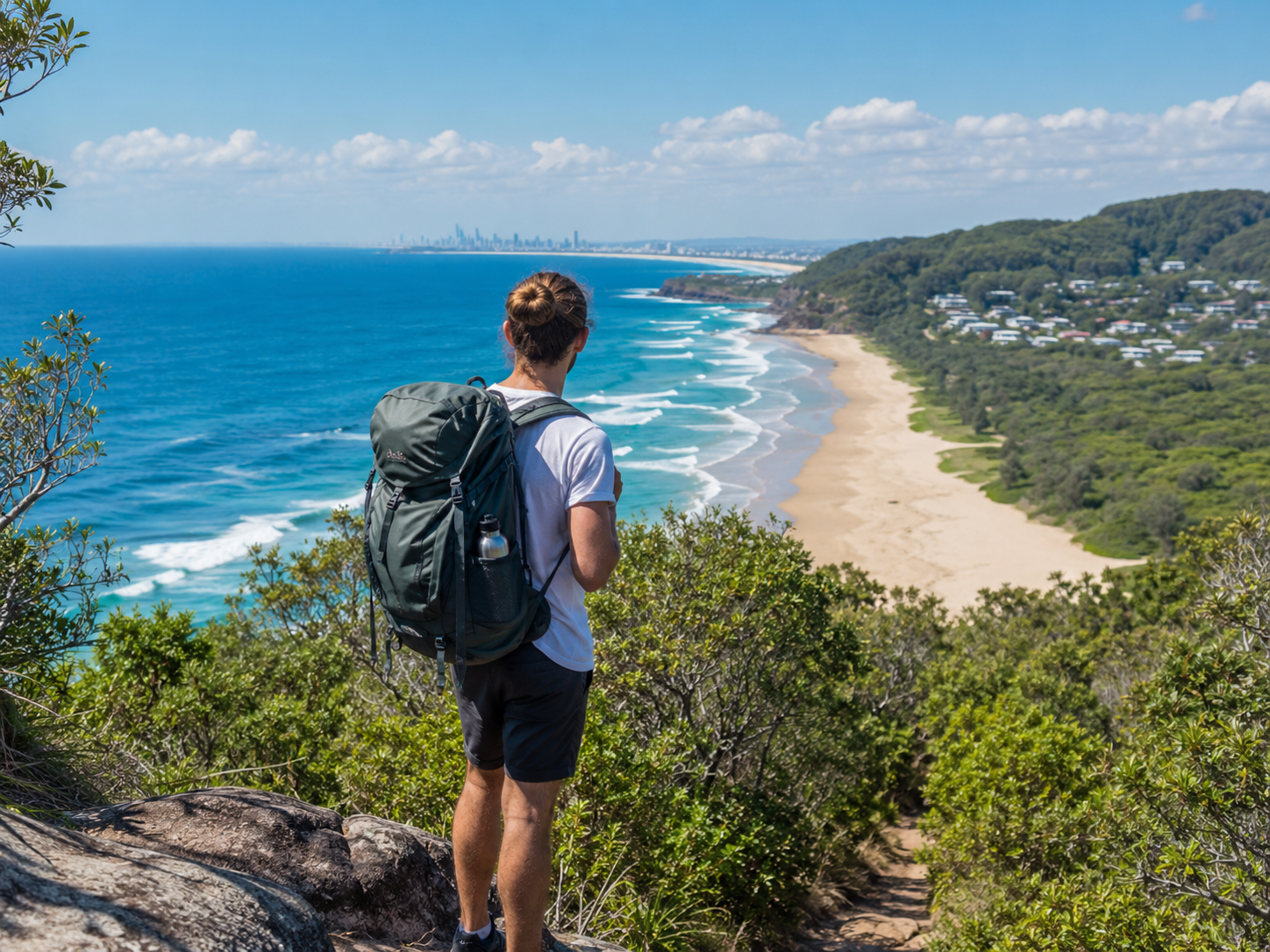
Australia is often labeled as an expensive destination, but this perception usually comes from poor planning rather than actual travel structure. With a thoughtful approach, backpacking in Australia can be both affordable and highly rewarding.
This guide focuses on smart travel decisions that help reduce unnecessary spending while maximizing real experiences.
Always verify entry requirements through https://immi.homeaffairs.gov.au/ and explore official travel information at https://www.australia.com/.
The most important rule: travel less, experience more
The biggest mistake first-time backpackers make is trying to visit too many places in one trip. Australia is geographically massive, and distances between cities are not comparable to most other countries.
Instead of focusing on quantity, focus on depth.
Choose one region such as:
- Sydney and surrounding areas
- Melbourne and southern regions
- East Coast coastal route
This approach reduces transportation costs and allows you to actually enjoy each destination instead of constantly moving.
Building a realistic daily budget structure
There is no fixed daily budget that works for everyone, but understanding spending categories helps control costs.
The three main expenses are:
- Accommodation
- Food
- Transportation
Hostels are the most efficient base for backpackers because they combine affordability with shared facilities like kitchens and laundry rooms.
Cooking your own meals is one of the most effective ways to save money. Simple supermarket ingredients are widely available and enough for basic daily meals.
Public transportation in major cities is reliable and significantly cheaper than taxis or rideshares, especially for daily movement.
Free experiences that define Australia
Many of Australia’s most memorable experiences do not require payment.
In Sydney, coastal walks, public beaches, and harbor views provide high-value experiences at no cost. The Bondi to Coogee walk is a strong example of a world-class experience that is completely free.
In Melbourne, culture is found in the streets—laneways, public art, markets, and parks create a rich travel experience without entry fees.
Nature is also highly accessible, with many national parks and coastal areas open to the public. Some locations may require small fees depending on local regulations, which can be checked through official government park websites.
A realistic travel route that keeps costs under control
Instead of designing a complex multi-city itinerary, a simple route works best:
Sydney → Melbourne
or
Sydney → Brisbane → Gold Coast
These routes minimize long-distance travel and reduce transport expenses while still offering diverse experiences.
Limit paid activities to one or two major highlights, such as a reef tour or guided nature experience, to maintain budget balance.
Hidden mistakes that quietly increase spending
Small decisions often create the biggest budget leaks:
Frequent small food purchases instead of planned meals
Ignoring baggage rules when booking flights
Choosing accommodation far from transport hubs
Overbooking paid tours
Not accounting for airport transfer costs
Individually, these seem minor, but combined they significantly increase total travel expenses.
Practical habits for better travel experience
Stay in hostels with kitchen access to control food spending.
Balance your itinerary with free activities and one or two paid experiences.
Use public transport instead of taxis whenever possible.
Keep your schedule flexible since weather and local conditions can change plans.
Most importantly, avoid rushing. Australia is best experienced at a slower pace.
FAQ
Can Australia be traveled on a budget?
Yes, if you limit movement between cities and manage daily spending carefully.
What is the cheapest way to eat in Australia?
Cooking your own meals using supermarket ingredients.
Is a tour necessary in Australia?
Not always, but useful for specific experiences like reef tours.
Is public transport enough?
Yes, for most major cities and tourist areas.