Influence Comes With Higher Expectations
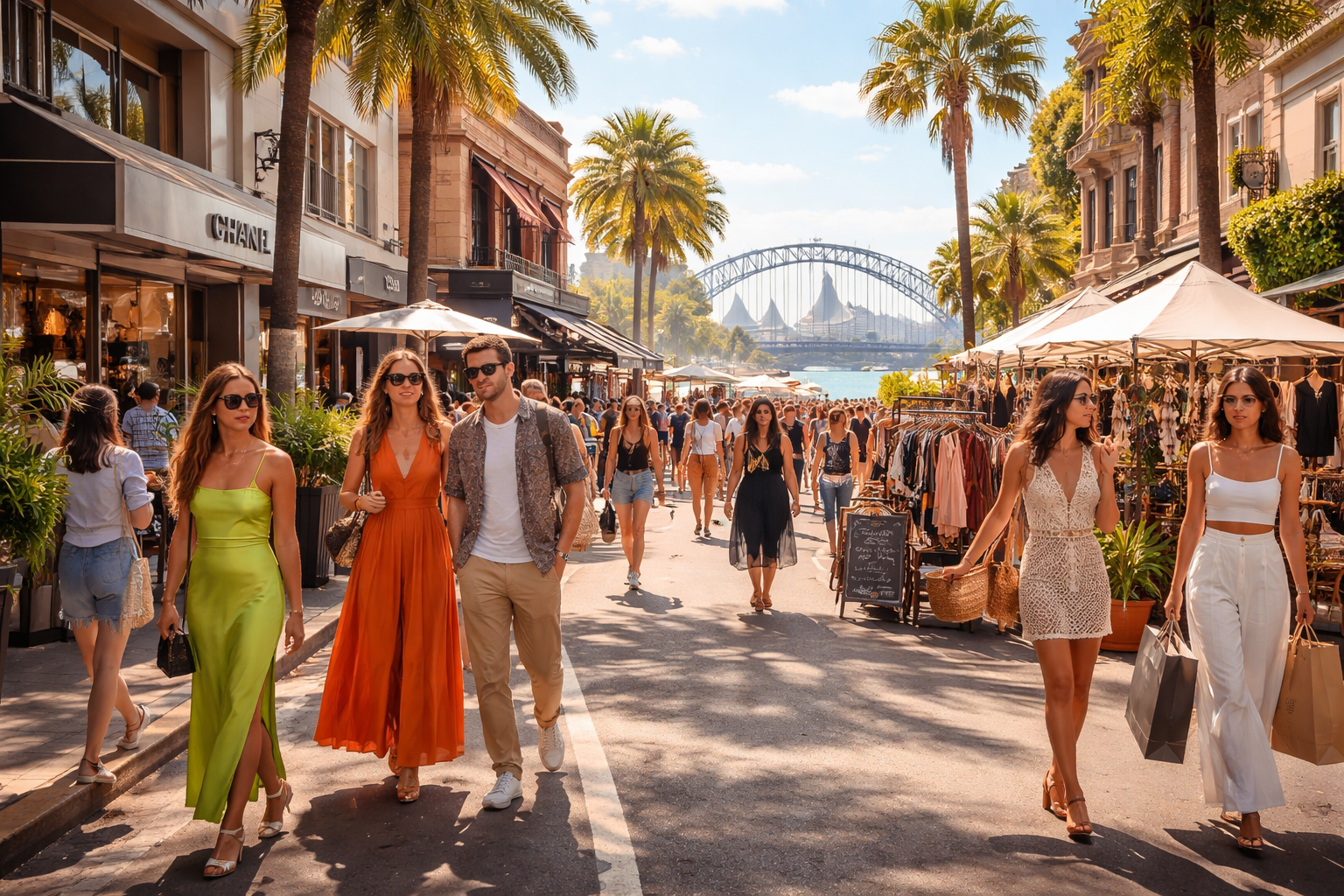
Fashion influencers in Australia are entering 2026 with more power, but also more scrutiny. Audiences expect style inspiration, but they also expect honesty, diversity, cultural awareness, and clear disclosure when money or gifted products are involved.
This is a major change from the earlier influencer era, when polished images and aspirational lifestyles were enough. Today, credibility is part of the product.
Transparency Is No Longer Optional
Brand partnerships must be easy for audiences to understand. The Australian Association of National Advertisers Code of Ethics is one reference point for responsible advertising standards, while regulators and consumers continue to pay close attention to online promotions.
For fashion influencers, unclear sponsorships can damage trust. A creator who regularly labels paid partnerships and gives balanced feedback may be more persuasive than one who hides commercial relationships behind vague captions.
Diversity Shapes What Becomes Trendy
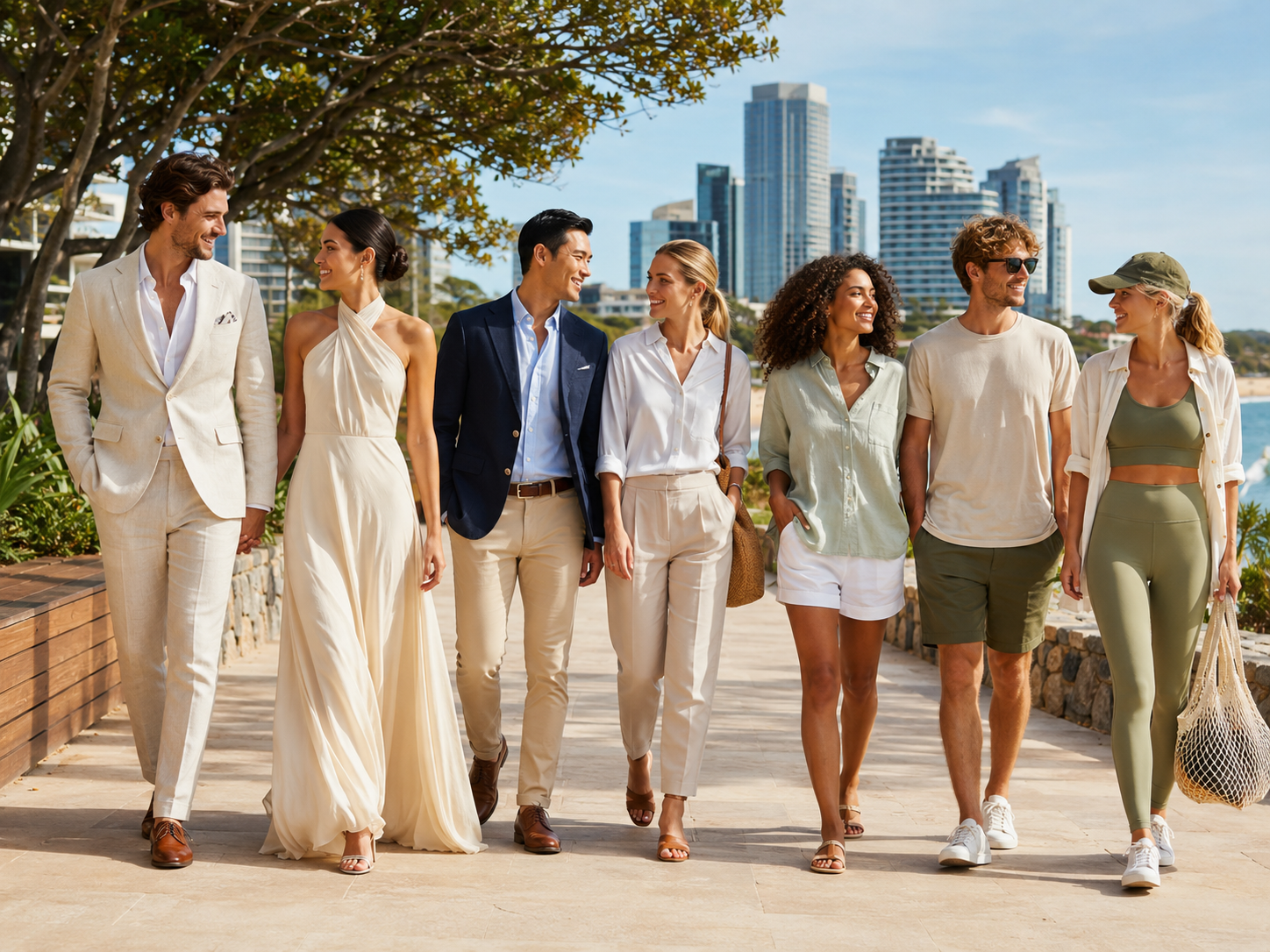
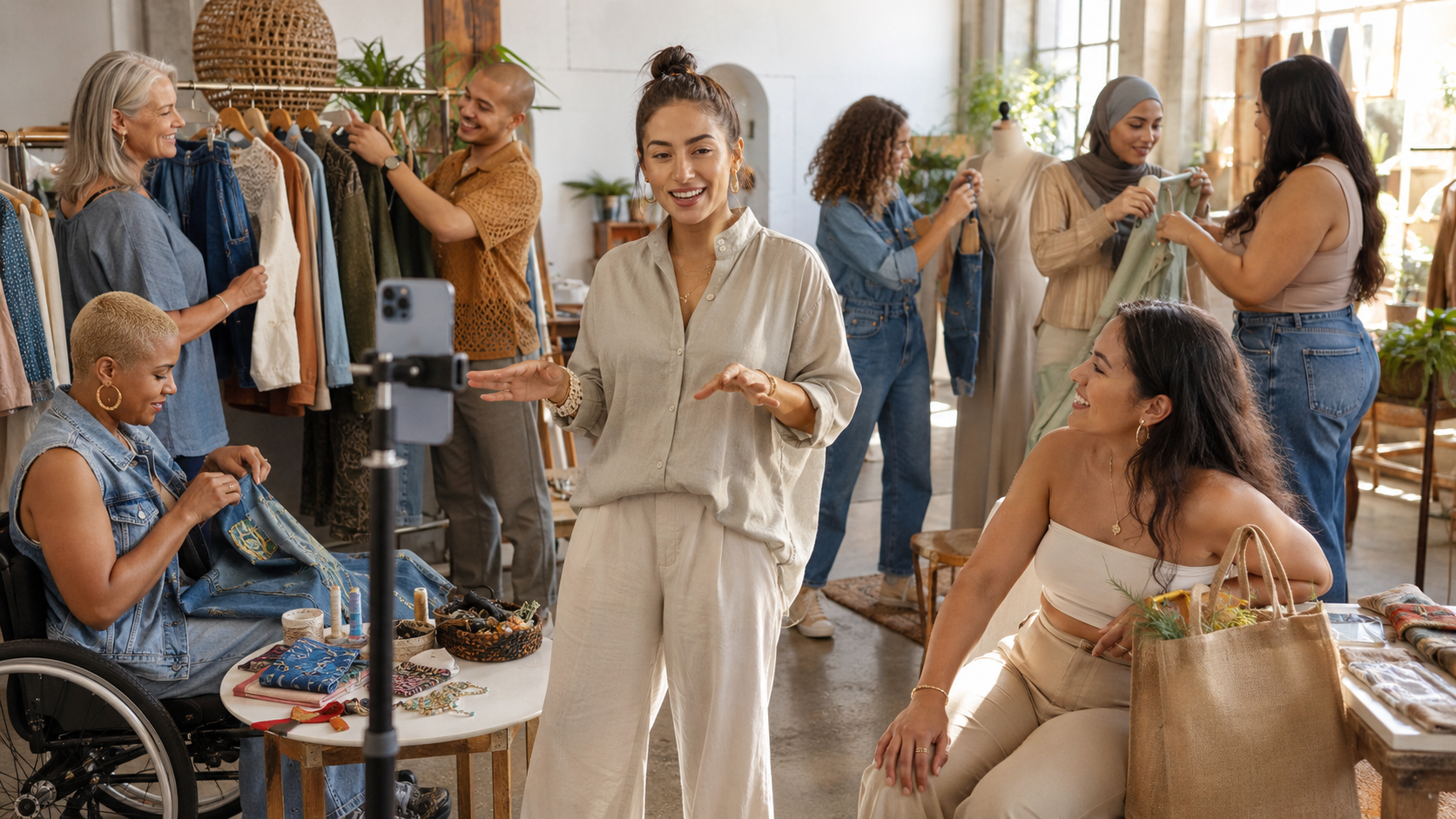
Australian fashion is culturally diverse, and influencer content increasingly reflects that reality. Creators from different backgrounds, body types, age groups, and style communities are expanding the definition of what fashion authority looks like.
This matters for brands. A campaign that only shows one narrow version of beauty or lifestyle can feel outdated. Inclusive creator partnerships help brands reach real customers rather than idealized stereotypes.
Cultural Sensitivity and First Nations Fashion
A key area for 2026 is cultural respect. Fashion content that references Indigenous design, local storytelling, or cultural identity must be handled with care. Audiences are more alert to appropriation, tokenism, and superficial representation.
Influencers can play a positive role by directing attention to First Nations designers, crediting creative sources properly, and avoiding trend language that strips cultural work of context.
The Problem With Overconsumption
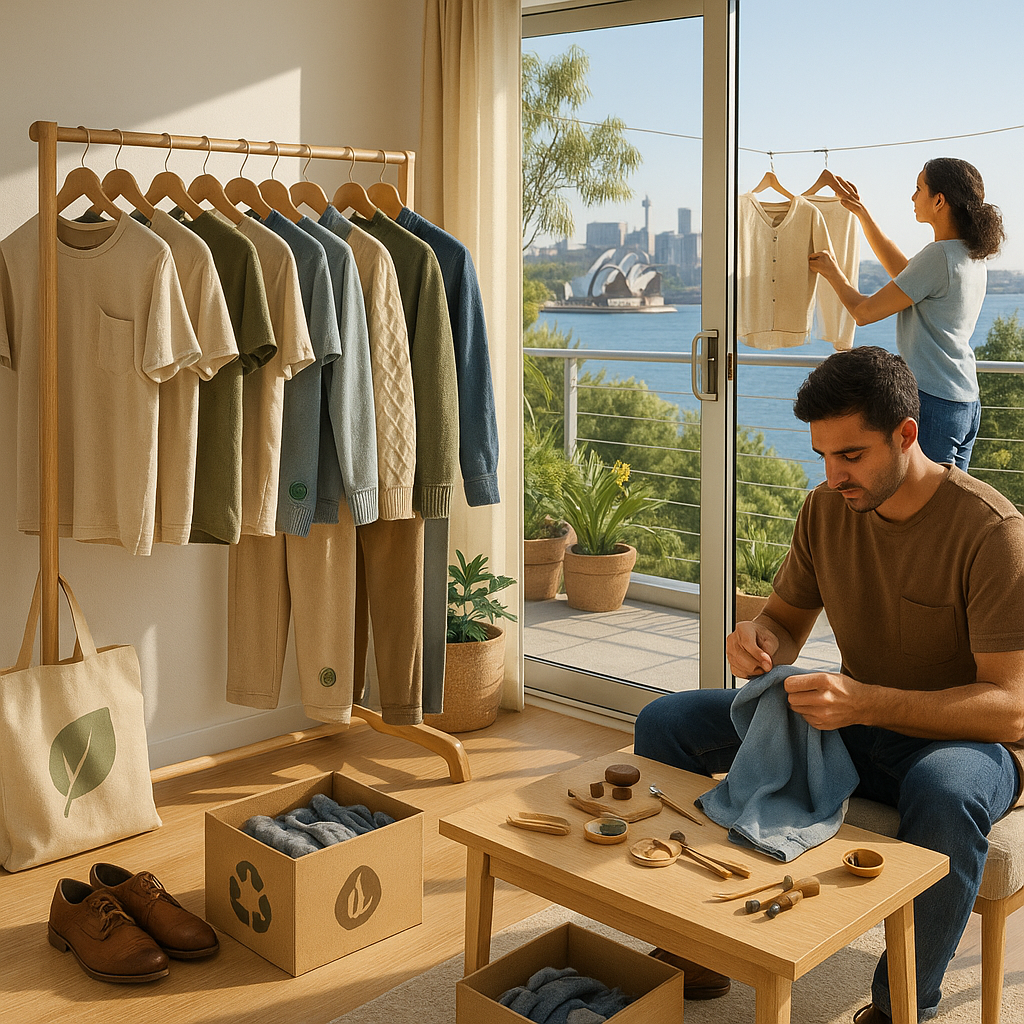
Another challenge is the tension between influence and overconsumption. Fashion content can encourage constant buying, especially through hauls and rapid trend cycles. Yet many Australian consumers are also interested in sustainability, resale, repair, and wardrobe longevity.
Creators who balance new-season styling with rewearing and thoughtful shopping are likely to remain more trusted in 2026.
What Brands Should Look For
Brands should evaluate influencers beyond follower count. Strong partnerships require audience trust, clear values, content quality, engagement depth, and alignment with the product. A creator who shares realistic sizing notes, fabric impressions, and styling limitations can generate more valuable attention than a glossy but generic post.
The Future of Influence in Australian Fashion
The next stage of Australian fashion influence will reward creators who are stylish, transparent, informed, and socially aware. Their role is not just to make trends visible, but to help consumers decide which brands deserve attention.