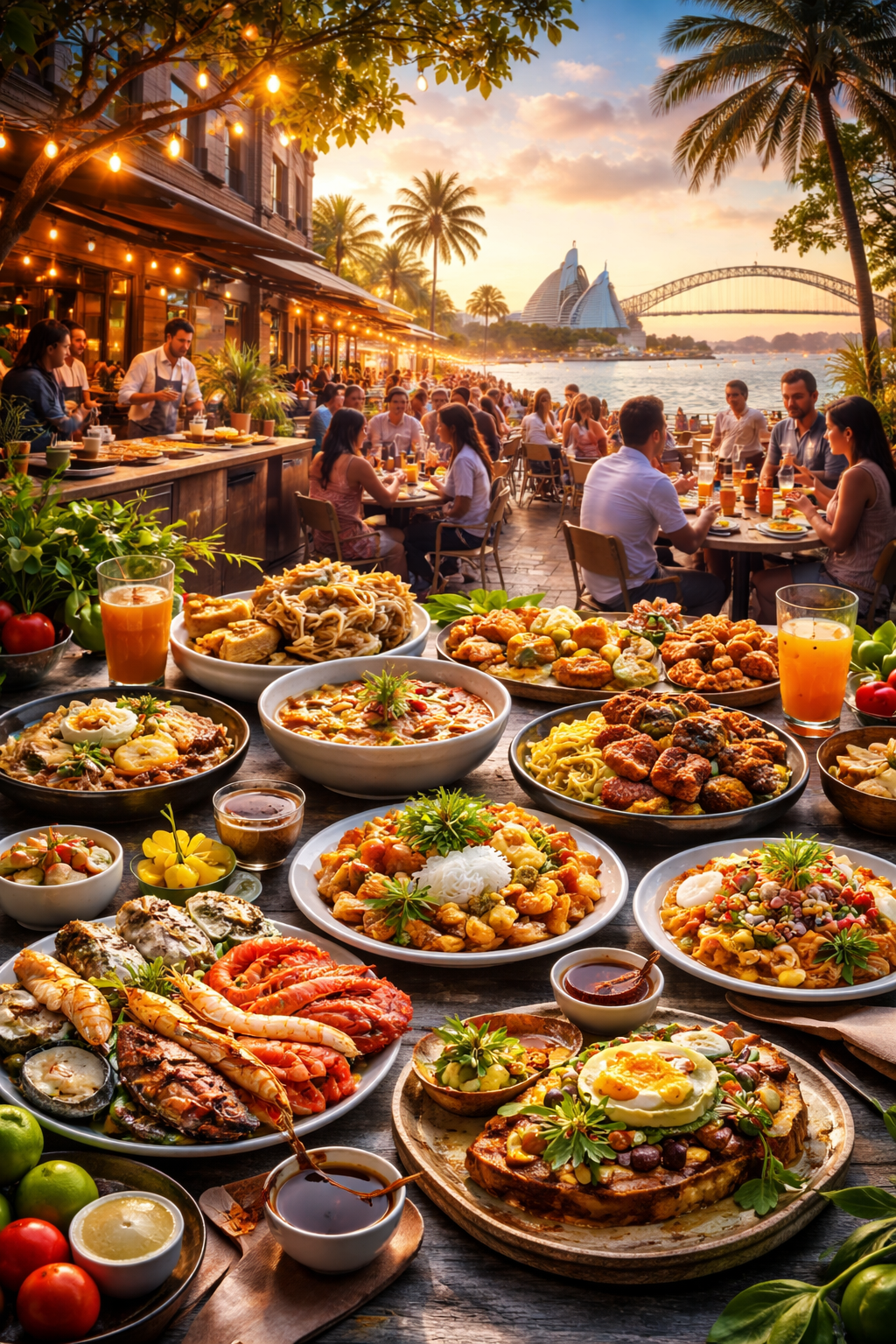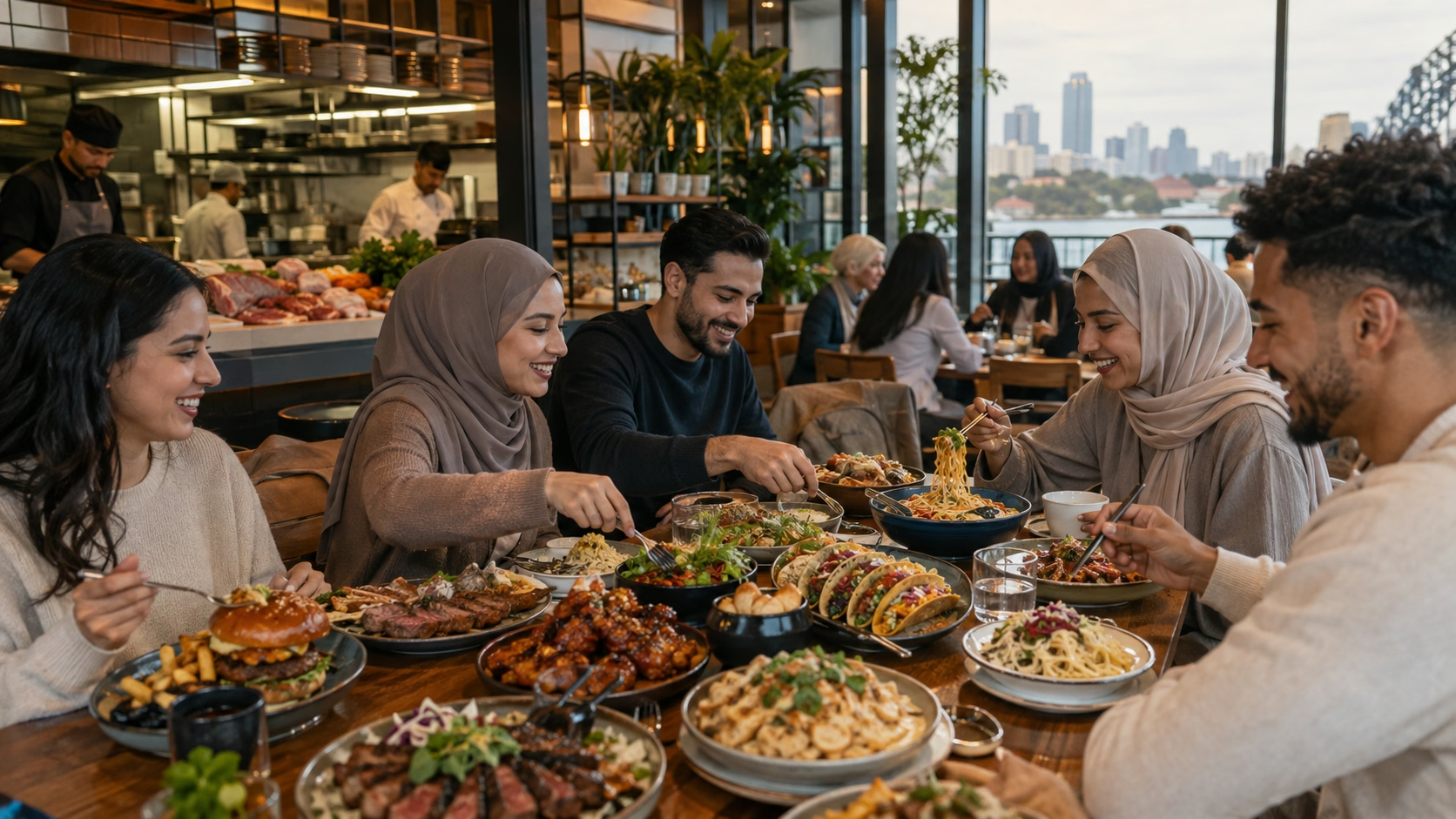
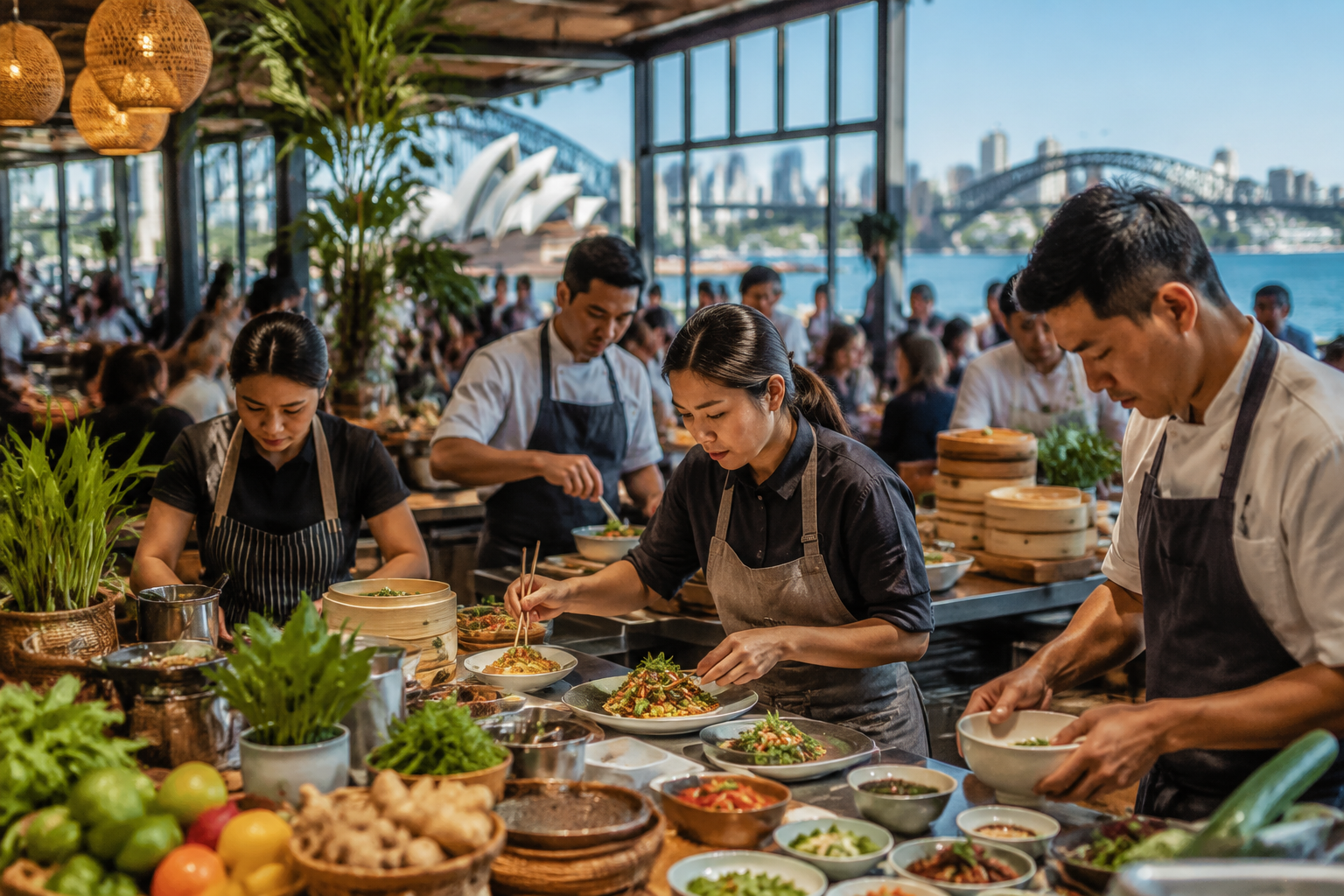
Australia’s relationship with Asian cuisine continues to evolve as migration, technology, and changing consumer expectations reshape the nation’s food industry. What began as traditional dishes introduced by migrant communities has developed into a dynamic culinary movement influencing restaurants, agriculture, food technology, and everyday eating habits.
The future of Australian cuisine is increasingly connected to Asian flavors, cultural knowledge, and innovative approaches created by migrant communities.
Asian Migration as a Foundation for Future Food Trends
Asian migration has provided Australia with a diverse culinary foundation that continues to expand. New generations of migrants bring regional cuisines, cooking techniques, and food traditions that add new dimensions to the Australian dining landscape.
While earlier migration waves introduced widely recognized cuisines such as Chinese, Japanese, and Vietnamese food, newer communities are increasing awareness of lesser-known regional dishes from countries including the Philippines, Indonesia, Sri Lanka, Nepal, and Myanmar.
This growing diversity allows Australian consumers to explore a wider range of flavors and encourages restaurants to create more authentic and specialized menus.
Technology Changing the Way Australians Experience Asian Food
Digital technology has become a major factor in the growth of Asian cuisine across Australia. Online delivery platforms, social media marketing, and digital payment systems have allowed migrant-owned businesses to reach larger audiences.
Small restaurants that previously depended mainly on local customers can now attract food enthusiasts through online platforms. Social media has also helped introduce traditional dishes to younger Australians who may not have encountered them before.
Food influencers and digital creators frequently highlight Asian restaurants, street food markets, and cooking techniques, creating new opportunities for culinary businesses.
Sustainability and Asian Culinary Practices
Sustainability is becoming an increasingly important factor in Australia’s food industry. Many Asian culinary traditions naturally include practices that support resource efficiency, such as using seasonal ingredients, minimizing waste, and utilizing diverse plant-based foods.
Modern chefs are adapting these principles to meet contemporary environmental expectations. Restaurants are increasingly experimenting with plant-based Asian dishes, locally sourced ingredients, and environmentally responsible cooking methods.
According to the Australian Government’s National Food Waste Strategy, Australia aims to reduce food waste by improving food production, distribution, and consumer practices. More information is available at: https://www.stopfoodwaste.com.au
Asian-inspired sustainable cooking represents a connection between traditional knowledge and modern environmental goals.
The Growth of Asian-Australian Fusion Cuisine
One of the most significant developments in Australia’s food future is the rise of Asian-Australian fusion cuisine. This movement reflects the country’s multicultural identity by combining Asian culinary traditions with Australian ingredients and techniques.
Examples include restaurants using Australian seafood in Japanese-inspired dishes, incorporating native Australian plants into Southeast Asian recipes, or combining Asian fermentation methods with modern Australian dining concepts.
These creations demonstrate that migration does not simply introduce foreign cuisine. Instead, it creates new forms of food culture that belong specifically to Australia.
The Role of Young Entrepreneurs in Culinary Innovation
Young Asian Australian entrepreneurs are becoming important drivers of change within the hospitality industry. Many are creating businesses that combine cultural heritage with modern branding, sustainability values, and digital strategies.
Some focus on traditional family recipes, while others create completely new concepts inspired by their multicultural experiences.
Their success represents a shift in how Australian food identity is understood. The future is not based on a single national cuisine but on multiple influences working together.
Why Asian Cuisine Will Remain Central to Australia’s Food Future
The continued influence of Asian migration ensures that Australia’s culinary landscape will remain diverse and innovative. As communities grow and cultural exchange increases, Asian cuisine will continue shaping restaurants, supermarkets, food festivals, and home cooking.
The story of Asian food in Australia is ultimately a story of adaptation. Migrant communities have transformed personal traditions into shared cultural experiences that connect millions of Australians through food.
The next chapter of Australian cuisine will likely be defined by collaboration between cultures, technology-driven food experiences, and sustainable approaches inspired by generations of culinary knowledge.