
A Billion-Dollar Bet on Youth Fashion
In February 2026, global e-commerce giant eBay completed its acquisition of fashion-focused C2C marketplace Depop from Etsy for US$1.2 billion (approximately AU$1.7 billion) . The deal, while global in scope, carries significant implications for the Australian market, where Depop has established itself as a cultural touchstone for Gen Z fashion enthusiasts. With over 2.5 million monthly website visits in Australia as of January 2025, Depop ranks as the eighth most-visited fashion platform in the country, surpassing local retailers like Glassons and trailing just behind Uniqlo . This acquisition is not merely a financial transaction; it represents a strategic realignment in the battle for the loyalty of younger, digitally native consumers who view second-hand shopping as both an ethical choice and a form of self-expression.
The Australian Market: A Microcosm of Global Trends
Australia punches above its weight in the Depop ecosystem, contributing approximately 10% of the platform’s global traffic . This is particularly striking given that nearly 90% of Depop’s 7 million active buyers are under the age of 34 . The platform’s aesthetic—a blend of Y2K nostalgia, streetwear, and curated vintage—resonates strongly with a demographic that is increasingly skeptical of traditional fast fashion’s environmental and ethical record. For eBay, which already commands a massive 27.99 million monthly views in Australia, integrating Depop’s youth-oriented brand identity offers a pathway to capture a segment of the market that might otherwise overlook the broader eBay marketplace .
Platform Changes and Seller Anxiety
The acquisition has not been without turbulence for the seller community. In the months following the deal’s announcement, Depop users in Australia and globally have grappled with a series of policy changes, including the removal of PayPal as a payment option and the replacement of selling fees with a “buyer marketplace fee” of up to 5% . While the shift to a buyer-fee model theoretically allows sellers to keep a larger share of their earnings, it has introduced new complexities in pricing and buyer behavior. Long-time sellers have expressed concerns about the platform’s evolving identity, with some lamenting the influx of ultra-fast fashion resellers who undermine the curated, vintage ethos that originally attracted them to Depop . These tensions highlight a fundamental challenge for all resale platforms: how to scale operations and achieve profitability without alienating the core community that built the brand.
The Broader Competitive Landscape
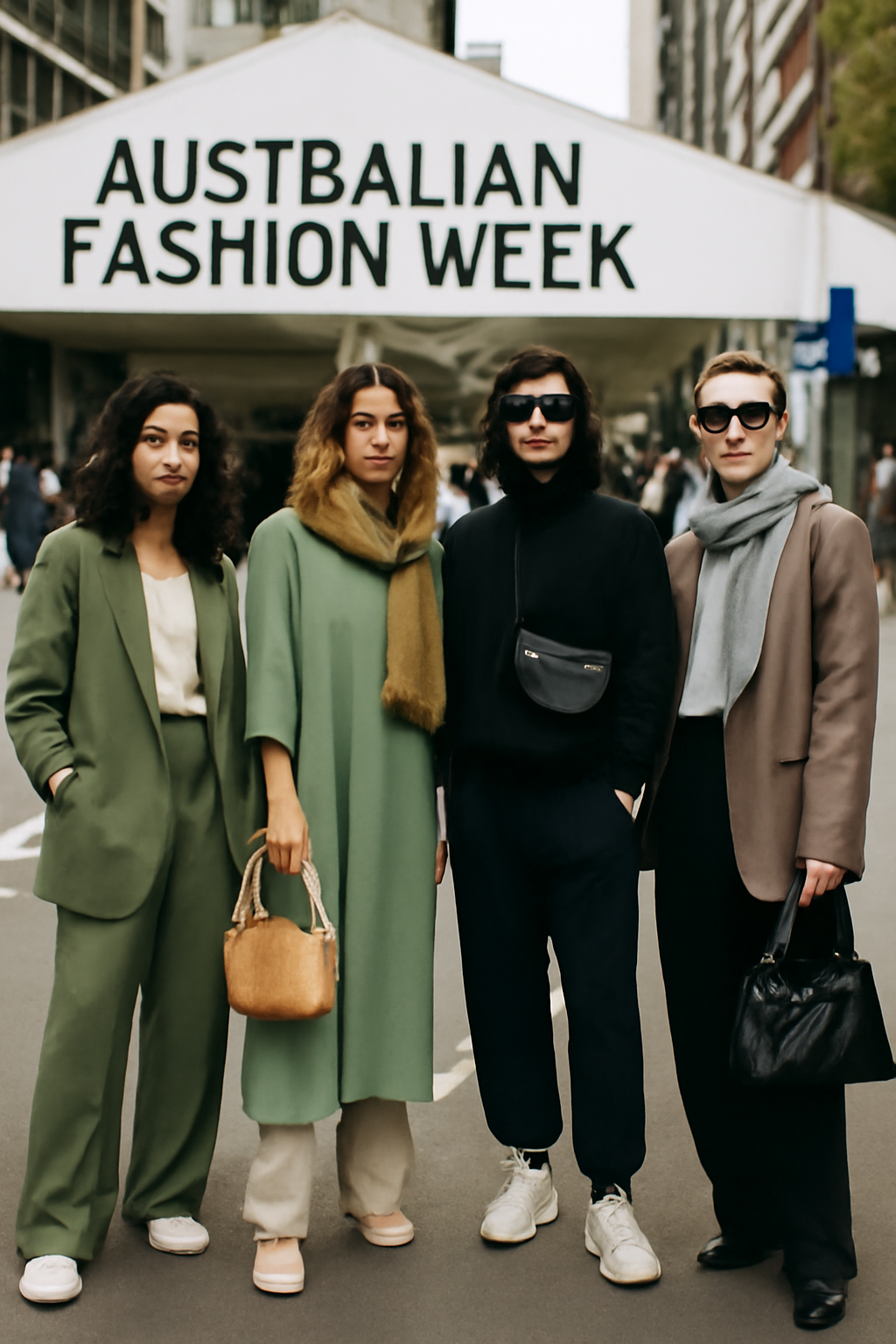
Depop’s acquisition by eBay is just one front in a broader war for Australian recommerce dominance. The simultaneous arrival of Vinted in July 2026, with its zero-selling-fee model and Australia Post partnership, has intensified pressure on all players to innovate on logistics, trust, and user experience . Meanwhile, local players and vertical platforms continue to carve out niches. eBay Australia itself has been actively investing in circular fashion initiatives, awarding $100,000 to local startups through its Circular Fashion Fund and sponsoring the Pre-Loved Runway Show at Australian Fashion Week . For Australian consumers, this competitive landscape is likely to yield tangible benefits: lower fees, faster shipping, and more robust buyer protection. For sellers, however, the proliferation of platforms means that success increasingly depends on the ability to manage a multi-platform presence and navigate distinct fee structures and community norms