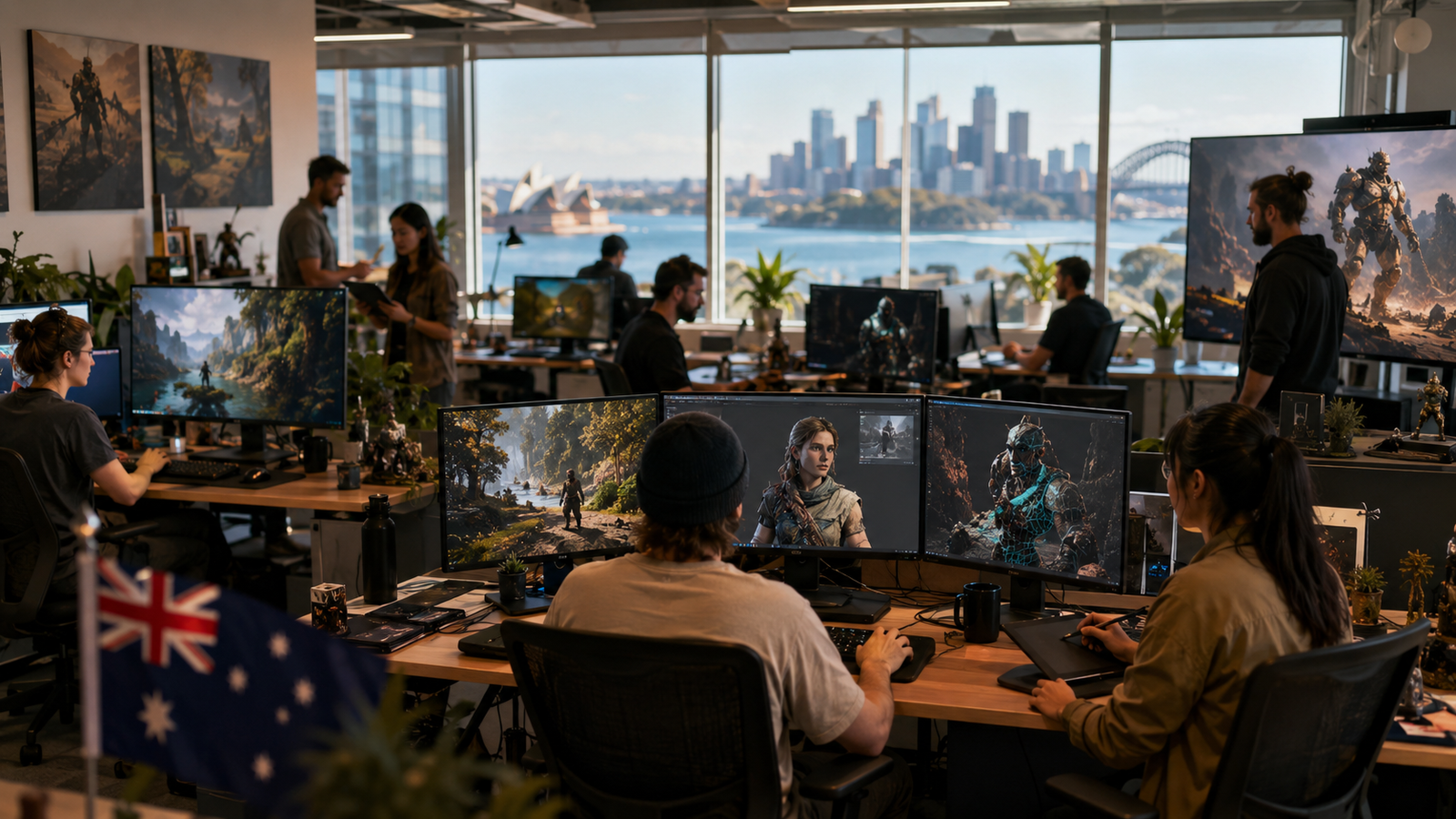
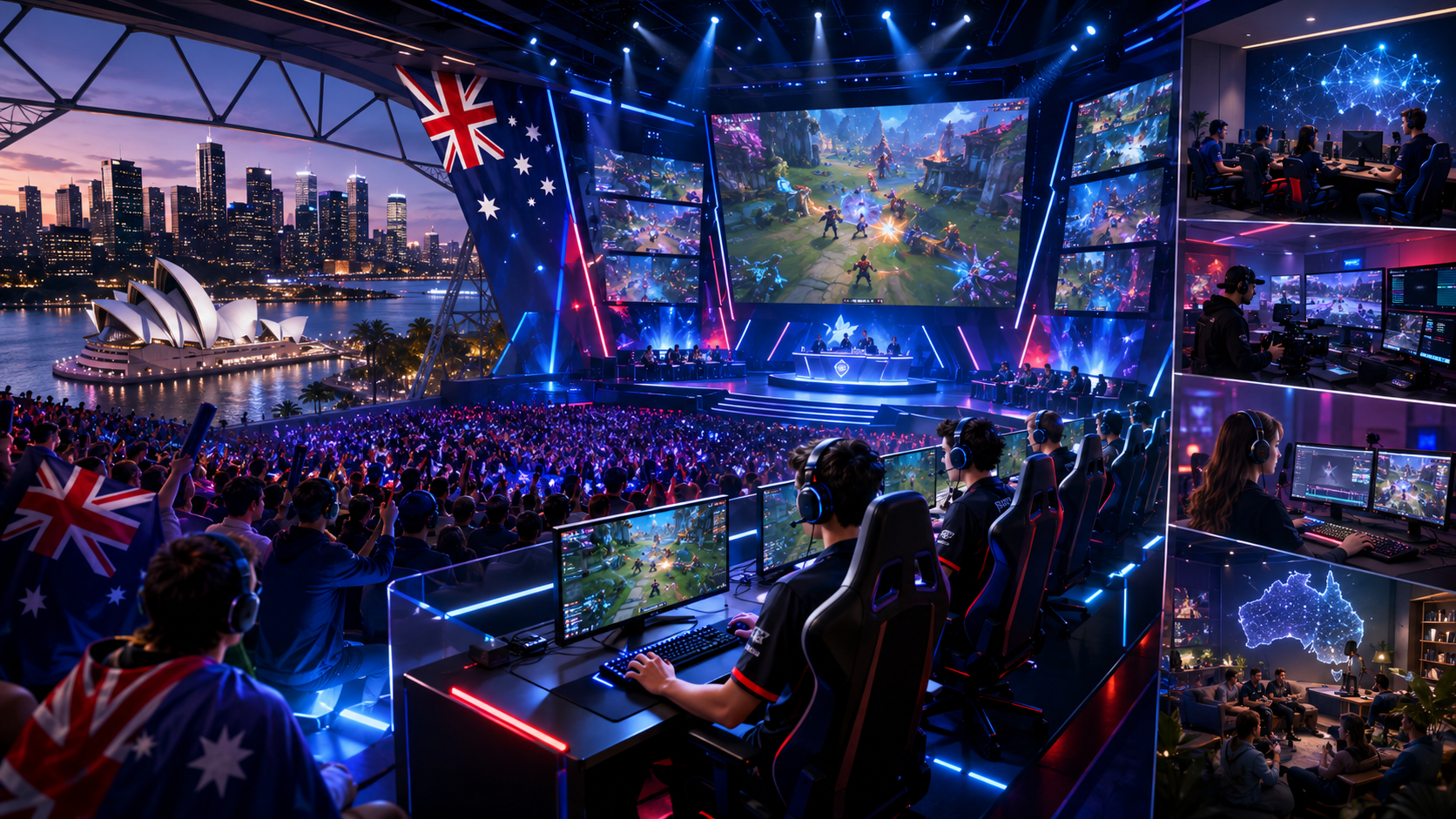
The Australian e-sports industry is experiencing a rapid ascent, carving a reputation for the country as an influential hub in the global gaming landscape. The combination of advanced infrastructure, governmental support, and passionate gaming communities has created fertile ground for professional competition and industry expansion.
Urban centers like Sydney, Melbourne, and Brisbane have emerged as focal points for e-sports development. These cities host dedicated arenas, training centers, and live-streaming studios, providing professional players and teams with environments conducive to high-level competition. Investment from private companies and public funding programs has accelerated this growth, demonstrating that e-sports is more than entertainment—it is an industry with measurable economic impact.
Australian teams have increasingly made waves in international competitions, excelling in popular games like League of Legends, Dota 2, and CS:GO. Streaming platforms such as Twitch and YouTube Gaming amplify this exposure, connecting players with a global audience while fostering an interactive fan culture. The rise of professional e-sports has inspired younger generations to pursue gaming as a viable career, further strengthening Australia’s talent pipeline.
The financial impact of e-sports is notable. Large-scale tournaments like ESL One Melbourne and PAX Australia attract thousands of attendees, boosting local tourism and hospitality sectors. Sponsorships and media rights further contribute to the economy, creating employment opportunities in event management, marketing, and content creation.
Education and skill development are integral to sustaining Australia’s competitive edge. Universities offer specialized courses in game design, e-sports management, and digital media production, equipping students with the expertise required for the industry. Grassroots leagues and amateur tournaments provide aspiring players with hands-on experience, ensuring that emerging talent has a path to professional success.
Community engagement strengthens the industry’s ecosystem. Gaming clubs, online forums, and local competitions cultivate talent while fostering collaboration between players, teams, and sponsors. These networks provide vital support and opportunities for innovation, positioning Australia as an attractive destination for international partnerships.
Australia’s focus on technological infrastructure, professional development, and international competition illustrates its ambition to become a global e-sports powerhouse. With ongoing investment and expanding fan engagement, the country is poised to influence the future of competitive gaming on a worldwide scale.