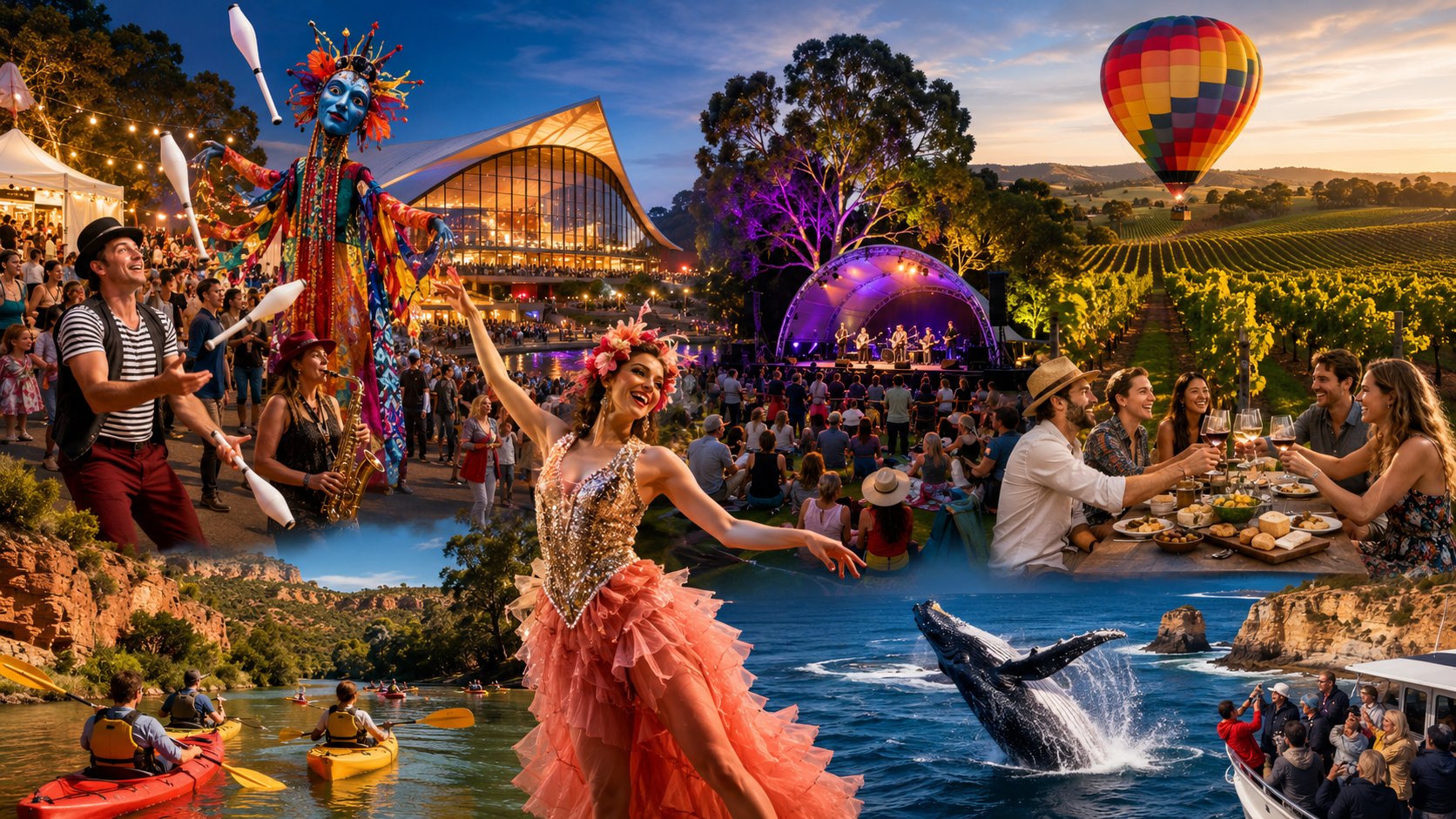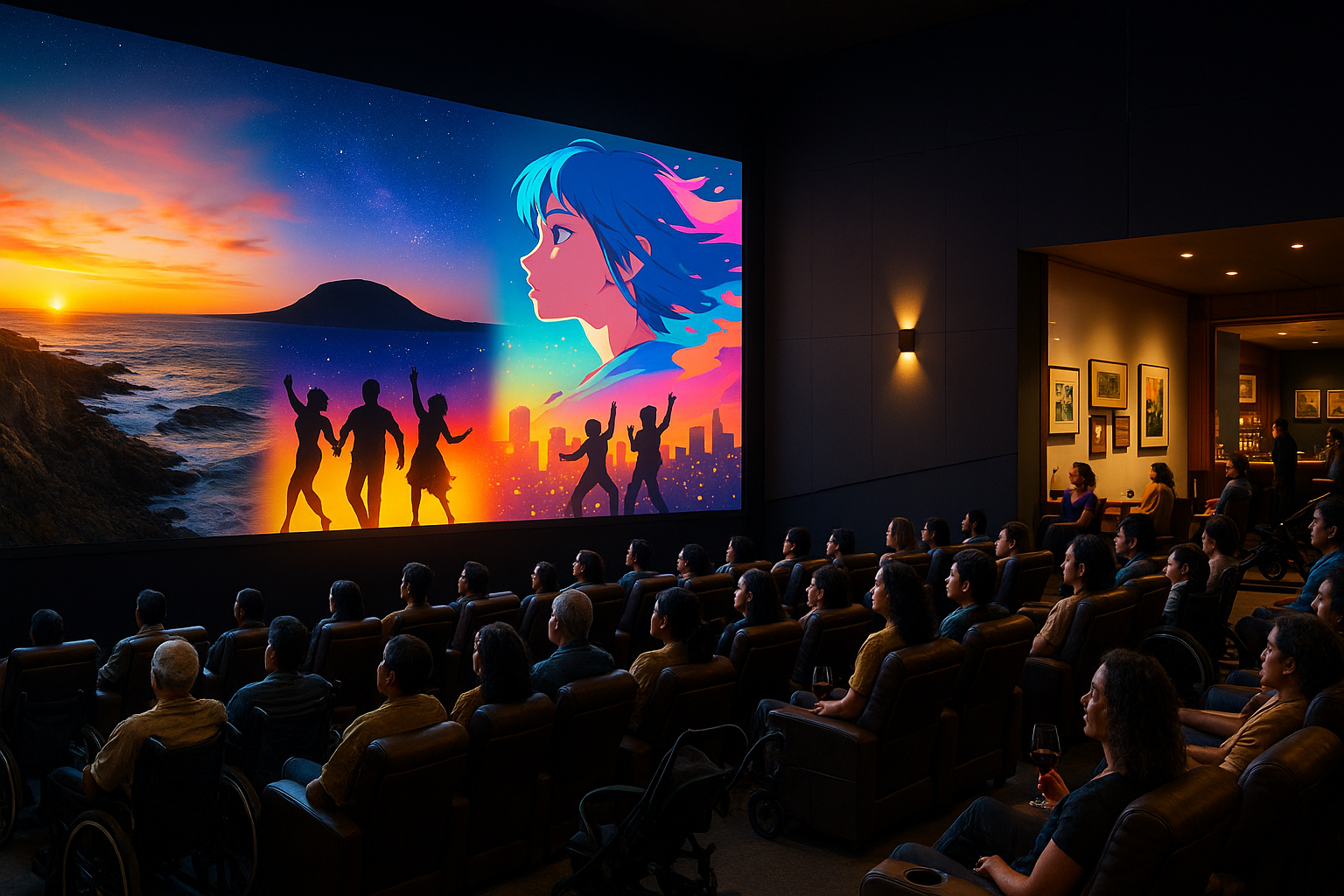
Discussions about Australian popular culture often focus on successful films, charting musicians, celebrity exports, and international trends. A deeper examination must also consider whose stories are promoted, who controls cultural representation, and which communities benefit from global attention.
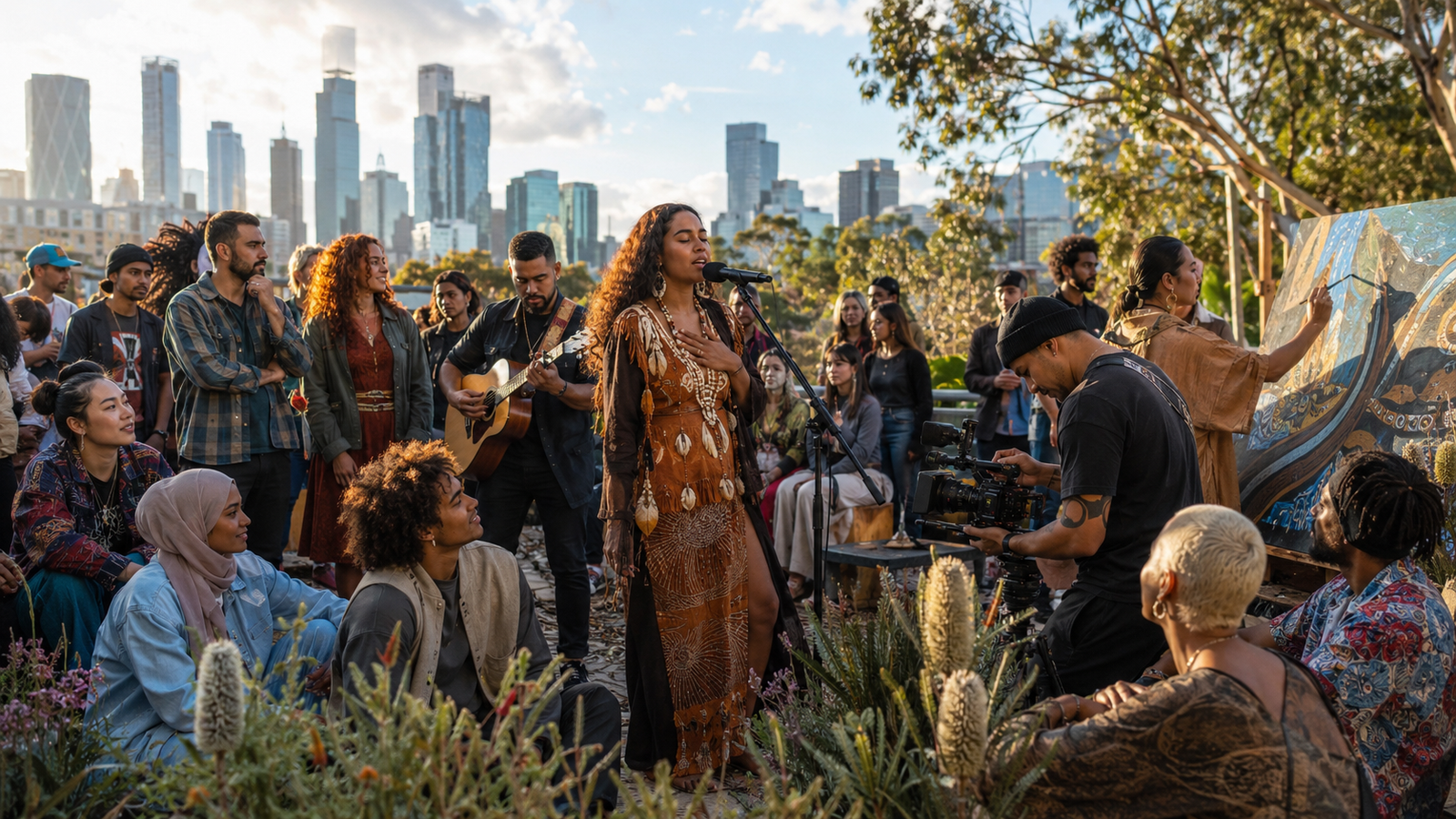
First Nations creators have become increasingly visible across music, television, film, fashion, visual art, comedy, and digital media. Their work does more than add diversity to mainstream entertainment. It challenges limited versions of Australian history and presents culture as living, contemporary, and continuously evolving.
First Nations Artists Expand Mainstream Culture
Musicians such as Baker Boy, Thelma Plum, Jessica Mauboy, King Stingray, Briggs, and Electric Fields have helped widen public understanding of Australian music. Their work combines contemporary genres with personal histories, community experiences, Indigenous languages, and connections to Country.
This cultural presence is significant because Aboriginal and Torres Strait Islander identity has often been represented through non-Indigenous institutions. Greater creative control allows artists to communicate their own experiences rather than being treated only as subjects of other people’s stories.
Screen productions led by First Nations writers, directors, actors, and producers also challenge stereotypes. Comedy, drama, documentary, science fiction, and children’s programming can show Indigenous life as complex and diverse rather than confined to historical narratives.
Global Attention Creates Opportunity and Risk
International platforms can introduce First Nations creativity to audiences that may know little about Australia beyond beaches, wildlife, and major cities. Music streaming, film festivals, social media, and international collaborations can generate professional opportunities and cultural recognition.
Yet global visibility can also lead to cultural material being simplified, removed from context, or commercialised without appropriate permission. Designs, language, ceremonies, and traditional knowledge do not automatically become public property because they appear online.
Organisations such as Creative Australia support and research the country’s arts sector, including work connected to First Nations cultural practice and creative development.
Multicultural Australia Complicates National Identity
Modern Australian culture is also shaped by migration. Communities with Chinese, Indian, Lebanese, Vietnamese, Greek, Italian, African, Pacific, and many other backgrounds influence music, food, film, comedy, fashion, and language.
As a result, Australian identity cannot be understood only through older Anglo-Australian traditions. Popular culture increasingly reflects people who maintain family connections across several countries while building distinctly Australian experiences.
Global media strengthens these connections. Diaspora audiences can follow entertainment from family homelands while also participating in Australian cultural life. This produces hybrid identities rather than a simple choice between “Australian” and “foreign.”
Cultural Influence Requires Responsibility
The growth of global platforms has made cultural exchange faster, but not always fairer. Large companies control recommendation systems, distribution, advertising, and audience data. Smaller creators may gain exposure without receiving adequate payment or long-term support.
A sustainable Australian cultural sector therefore needs more than international popularity. It requires investment in local production, respect for Indigenous cultural and intellectual property, access for regional communities, and pathways for emerging creators.
Australian pop culture is most meaningful when it recognises that identity is not fixed. It is negotiated through history, migration, technology, creativity, and power. Global influence can enrich society, but local communities must retain the ability to tell, protect, and benefit from their own stories.