The IP Question Nobody Was Asking
For most of the creator economy’s short history, the central commercial transaction has been attention: creators build audiences, brands pay for access, and agencies facilitate the match. The creator rarely owns the underlying intellectual property. Amplify, one of Australia’s leading creator agencies, launched a pilot programme in July 2026 that directly challenges that arrangement. Amplify Originals invests in the development and production of new formats, with creators retaining ownership of the underlying IP — a model designed to give creators long-term value in the content they build. As Amplify screen agent Naomi Hannan put it, the programme is about helping creators shift “from appearing in content to owning content”.
What the Programme Actually Funds
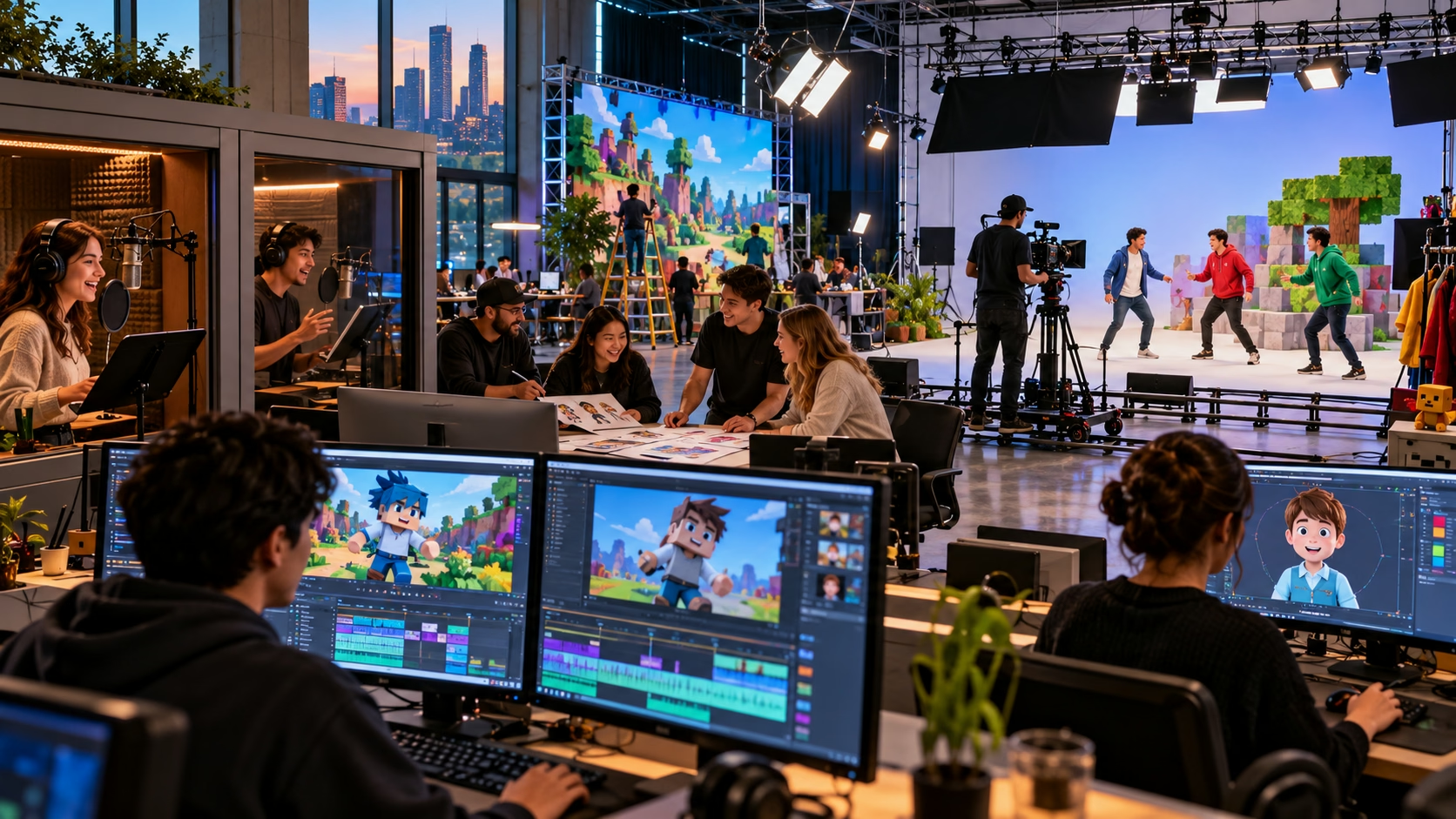
Amplify Originals is structured as a development-to-pilot pipeline. Creators pitch original concepts, and selected projects are funded and developed into pilot episodes by Amplify. The completed productions are then screened officially later in 2026. The judging panel includes Sabine Zonderland, head of top creator partnerships at YouTube; Australian casting director Ben Parkinson; and Shivani Maharaj, chief creator officer at WPP Media, alongside Amplify’s in-house executives. The presence of YouTube and WPP Media on the panel signals that the programme is not a niche artistic experiment — it is connected to the commercial infrastructure that determines what gets distributed and funded.
Why Creator-Owned IP Is a Structural Break
The significance of creator-owned IP lies in what it changes about the creator’s long-term economic position. When a creator owns the IP, they participate in downstream value: licensing, format adaptation, merchandising, and library sales. When an agency or production company owns the IP, the creator is effectively a contracted performer. Amplify’s model retains the agency’s role as an investor and development partner while leaving the underlying asset with the creator. This is rare in Australia, where few creator agencies invest in and develop creator-owned IP in this manner. The programme also opens a new partnership pathway for brands: instead of campaign-led collaborations, brands can partner at the IP level, attaching to formats that have the potential to travel across platforms and territories.
The Creative Ambition Behind the Commercial Logic
The programme’s framing is explicitly ambitious. WPP Media’s Shivani Maharaj noted that at SXSW Sydney, the industry challenged brands with the idea that “the next subscription service in Australia could be creator-run,” and at the AiMCO Summit, the proposition that “the next Oscar could be won by a creator” was explored. Those are deliberately provocative statements, but they reflect a genuine shift in where creative authority is accumulating. Amplify co-founder Tom Maynard described the programme as nurturing “that creative spark — not just representing talent, but investing in their ideas”. The commercial logic and the creative ambition are aligned: IP ownership gives creators the incentive and the asset base to attempt formats that go beyond short-form social content.
The Risk and the Upside
The risk is executional. Developing long-form formats is expensive, and the pilot-to-series conversion rate in traditional television is low. Creator-led projects must navigate a different set of expectations: audiences accustomed to short-form may not follow creators into longer formats, and brands accustomed to measurable campaign metrics may struggle to value IP participation. The upside, however, is structural. If even a minority of Amplify Originals projects become sustainable formats, the programme will have created a template for creator-owned entertainment that other agencies and financiers can replicate. The pilot slate screened later in 2026 will provide the first real evidence of whether the model can convert creative ambition into durable IP.