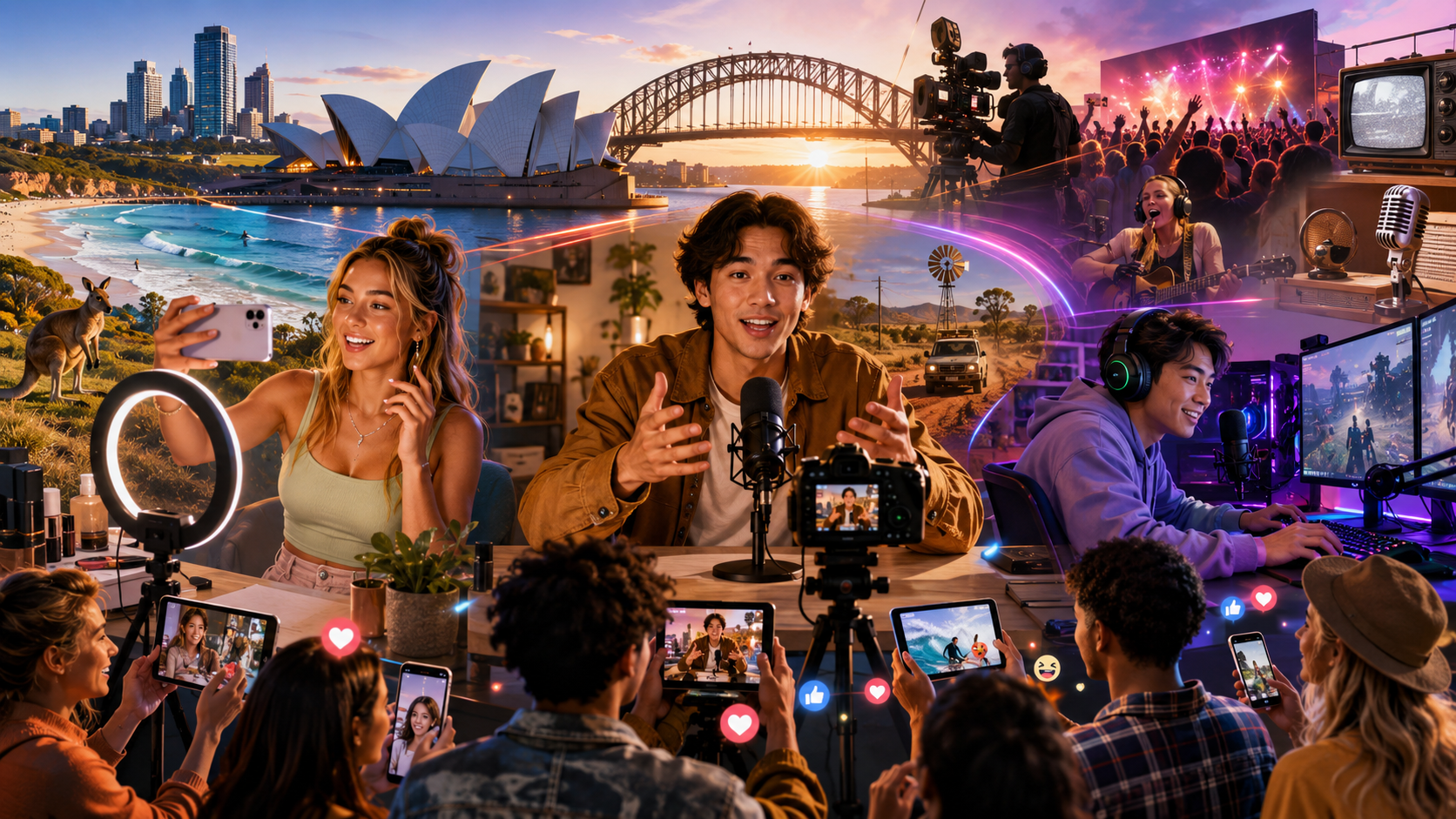
Entertainment in Australia has entered a new digital era, and influencers and YouTubers are at the centre of this transformation. These online personalities have changed how audiences consume content, how brands promote entertainment products, and how cultural trends spread across the country. Their role is not limited to posting videos or photos; they now influence public taste, social conversations, consumer behaviour, and the development of new creative careers.
One of the strongest contributions of influencers is their ability to create entertainment from everyday life. A travel creator exploring the Great Ocean Road, a food reviewer visiting restaurants in Melbourne, a beauty influencer testing Australian skincare, or a comedian making jokes about daily life can all attract large audiences. This type of content feels familiar because it is often based on real experiences rather than scripted performances. Many viewers enjoy this natural style because it seems more genuine than polished commercial media.
YouTubers are especially influential because video content allows viewers to spend more time with a creator. Through vlogs, tutorials, interviews, commentary, and documentary-style uploads, YouTubers can build strong emotional connections. Australian audiences may follow a creator for years, watching their personal growth, career changes, relationships, creative projects, and opinions. This long-term relationship gives YouTubers a level of loyalty that traditional advertising often struggles to achieve.
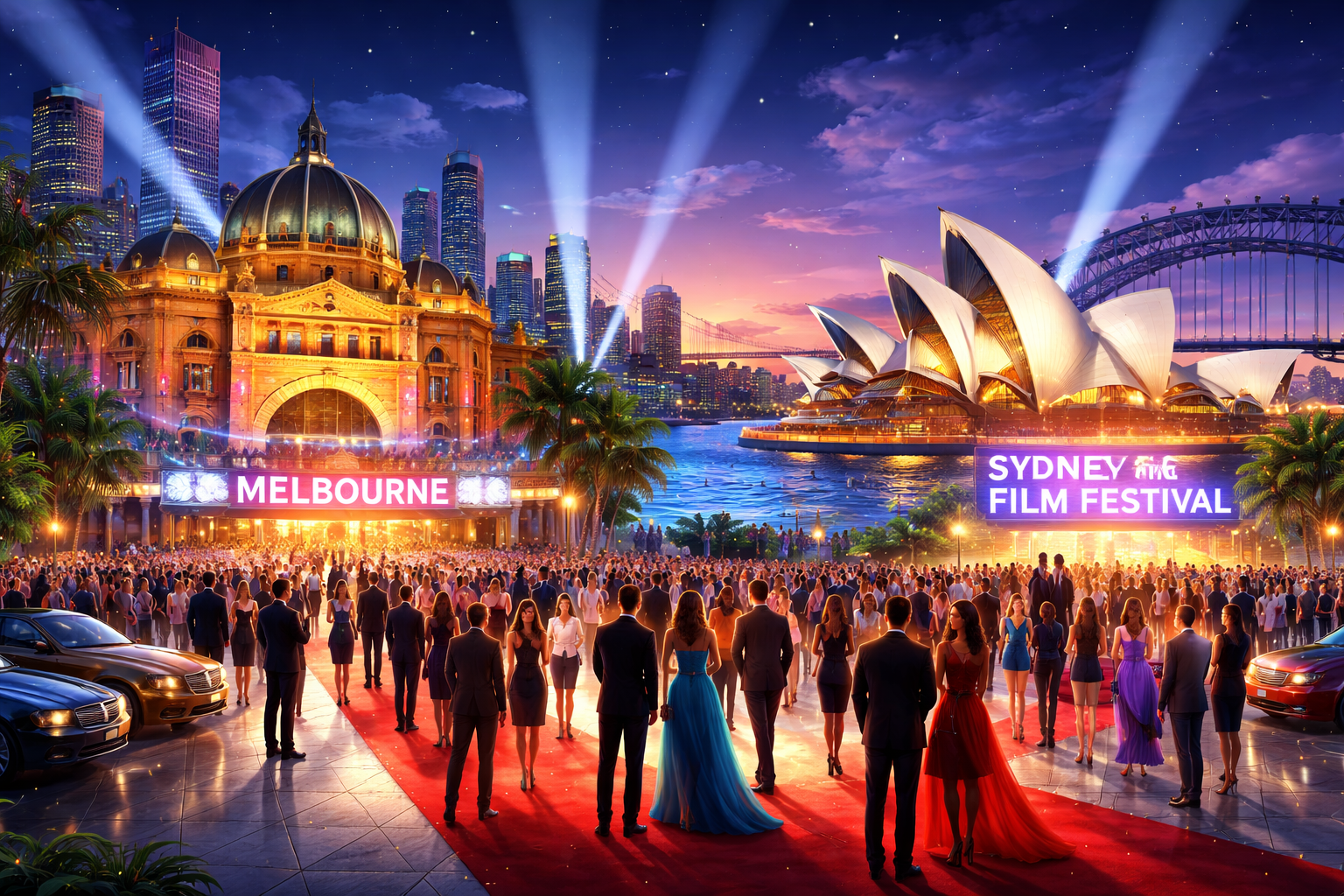
Digital creators also help smaller entertainment sectors gain visibility. Independent musicians, local events, comedy nights, gaming communities, film festivals, fashion labels, and tourist attractions can reach wider audiences through influencer promotion. When a creator shares an experience with enthusiasm and authenticity, followers may be more willing to explore it themselves. This makes influencers valuable not only to major companies but also to small businesses and emerging artists.
Another important role is audience participation. Traditional entertainment usually separates performer and viewer, but social media reduces that distance. Followers can comment, vote, suggest ideas, join livestreams, ask questions, and even influence future content. This interactive model makes entertainment feel more democratic. In Australia, where audiences are spread across large cities, suburbs, regional towns, and remote areas, digital platforms allow people to participate in shared entertainment moments regardless of location.
Influencers also shape identity and lifestyle. Many Australians use online creators as sources of inspiration for fashion, fitness, home design, travel, parenting, study habits, food choices, and entertainment preferences. This influence is powerful because it is woven into daily routines. A person may watch a YouTube review before choosing a show, follow a TikTok creator for weekend activity ideas, or rely on Instagram influencers for event recommendations.
Despite these benefits, there are concerns. Some influencer content can blur the line between personal opinion and advertising. Viewers need clear information when a creator is being paid to promote something. There is also pressure on creators to constantly perform, remain visible, and maintain engagement. This can affect mental health and lead to burnout. Audiences, too, may feel pressure when exposed to idealised images of success, beauty, wealth, or popularity.
In Australia’s entertainment industry, influencers and YouTubers now operate as creators, promoters, critics, and community leaders. They provide opportunities for diverse voices and make entertainment more immediate and interactive. Their continued importance comes from their ability to combine personality, technology, storytelling, and audience trust in ways that traditional media cannot easily replicate.