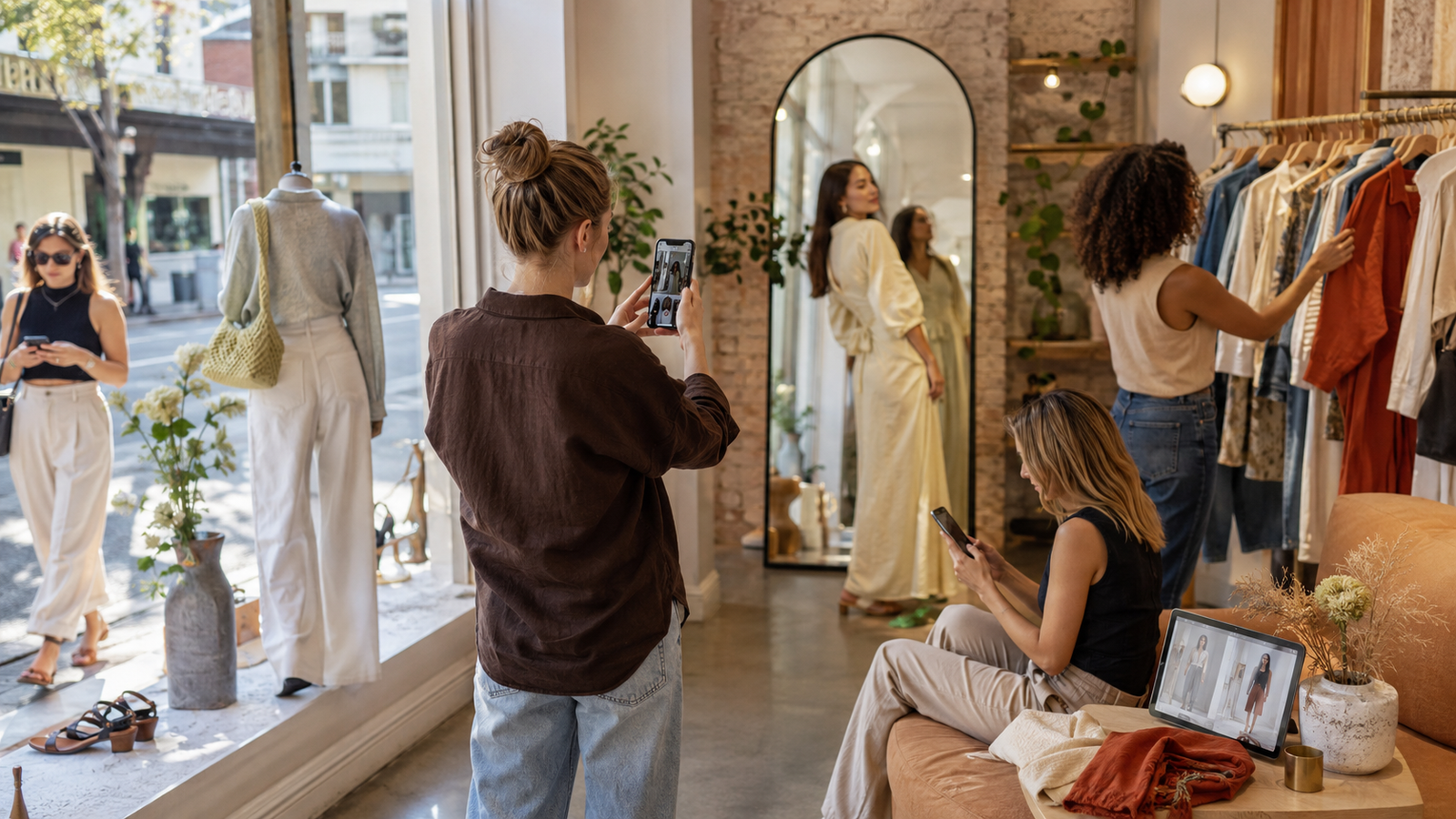

E-commerce plays a major role in the modern Australian fashion industry by changing the way people shop and the way brands operate. Fashion shopping used to depend heavily on physical stores, shopping centres, and seasonal window displays. Today, digital platforms allow customers to explore trends, compare products, and buy clothing from almost anywhere.
One of the main reasons e-commerce has grown in Australian fashion is its practicality. Australia is a large country, and not every consumer has easy access to major retail destinations. Online shopping gives people in suburban, regional, and remote areas the chance to buy from national and international fashion labels without travelling long distances. This has made fashion more accessible and less dependent on location.
Online fashion stores also provide a broader shopping experience. Customers can search by category, size, colour, material, price, brand, or occasion. A shopper looking for workwear, swimwear, streetwear, formal clothing, or activewear can filter options quickly and find suitable items within minutes. This level of control is difficult to achieve in a traditional store, where stock may be limited.
Another key benefit is time efficiency. Many Australians have demanding daily routines, and e-commerce allows them to shop around their own schedules. Instead of spending hours moving between stores, customers can browse multiple brands online, save items to wish lists, and return later to complete purchases. This flexibility has made online fashion shopping part of everyday life.
E-commerce has also transformed how trends spread. Australian consumers are influenced by local designers, global fashion weeks, celebrities, influencers, and social media creators. Online platforms make it possible for trends to move quickly from inspiration to purchase. When a style becomes popular, shoppers can search for similar items instantly and compare options across different retailers.
For fashion businesses, e-commerce creates opportunities to understand customers more deeply. Online stores can collect information about popular products, abandoned carts, search patterns, and repeat purchases. This data helps brands improve stock planning, design decisions, pricing strategies, and marketing campaigns. A business can identify which colours, cuts, or styles perform well and adjust future collections accordingly.
Small and independent Australian fashion labels have gained particular advantages from e-commerce. Without needing large physical stores, they can sell through their own websites, online marketplaces, or social media shops. This lowers entry barriers and allows creative designers to reach customers directly. Many boutique brands use storytelling, ethical values, and local production as part of their online identity.
Customer experience remains central to success. Since shoppers cannot touch fabrics or try items on before buying, retailers must provide clear information. Size charts, fabric details, close-up photos, model references, styling suggestions, and simple return policies help reduce uncertainty. Brands that make online shopping feel reliable are more likely to earn repeat customers.
Sustainability is also becoming more visible through e-commerce. Consumers can now find second-hand fashion, clothing rental services, recycled materials, and ethical production details more easily. This supports a shift toward more responsible purchasing habits.
E-commerce has reshaped Australian fashion by combining accessibility, technology, and consumer choice. It has made shopping more convenient while giving brands new tools to connect with customers in meaningful ways.