The Australian children’s fashion market in 2026 is being redefined by three interconnected family priorities: secondhand is the new first choice, sustainable materials are non-negotiable, and smart design means clothes that outlast the growth spurt. Statista’s children’s apparel market analysis for 2026 projects sector revenue at US$2.9 billion, but the real story lies in how that money is being spent—or increasingly, not spent on virgin products at all.
The Secondhand Boom and Its Ripple Effects
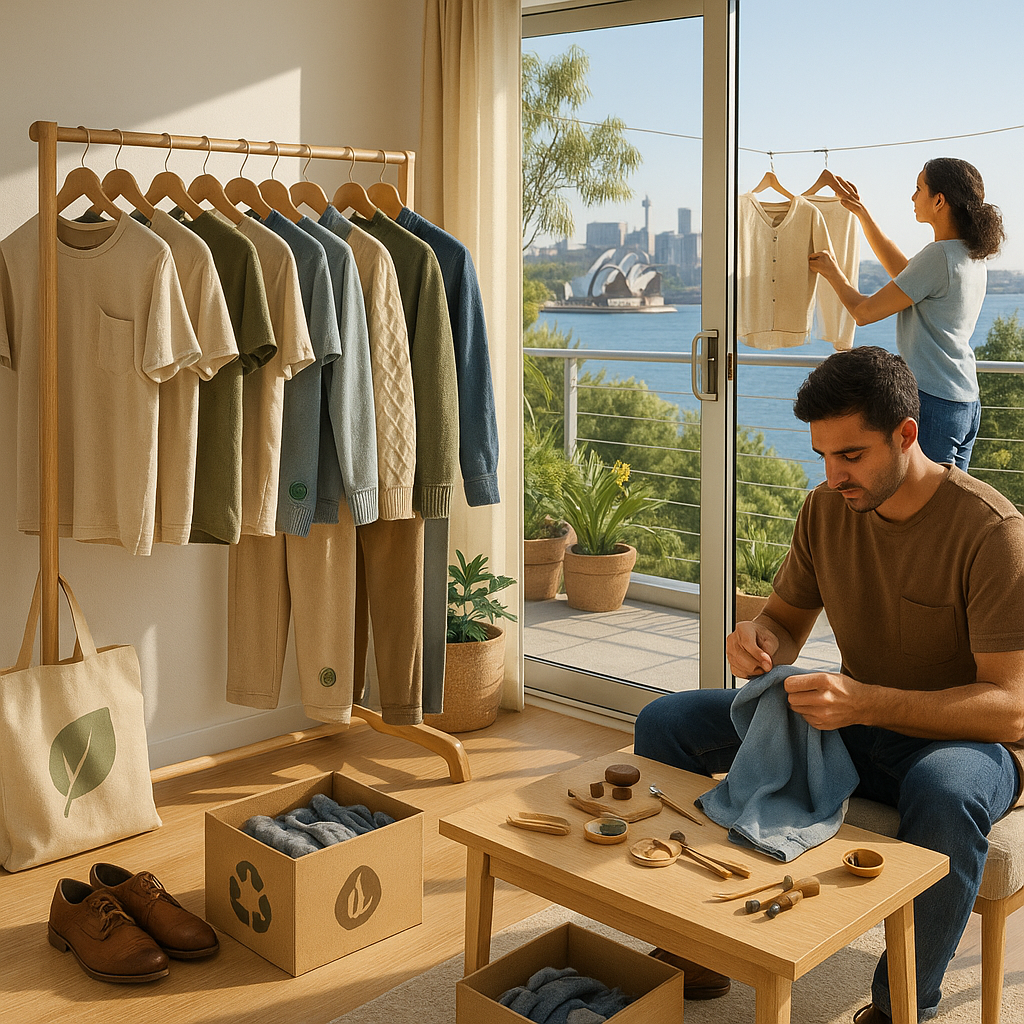
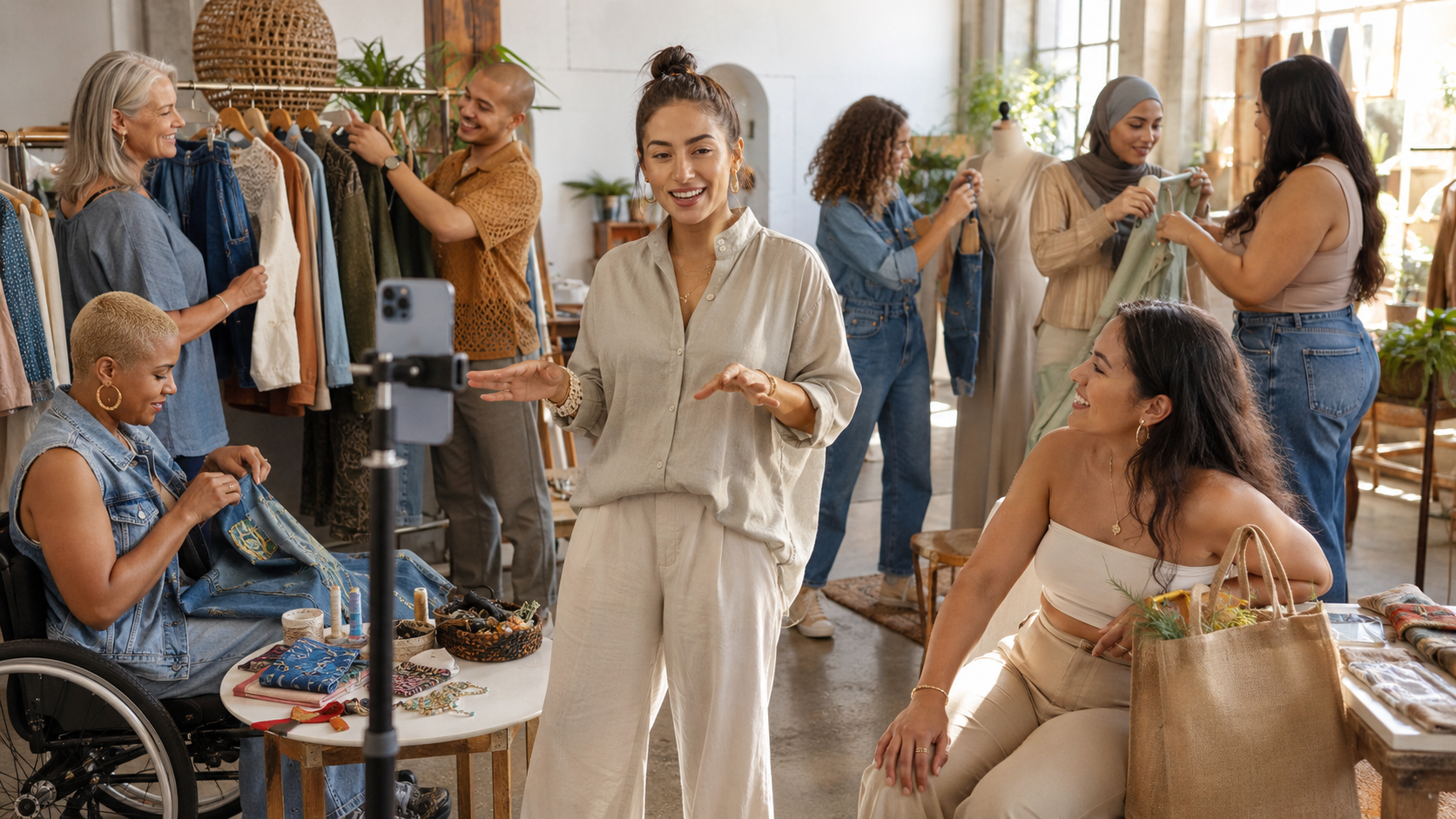
Pre-loved children’s clothing has graduated from a frugal secret to a mainstream cultural norm. Facebook “Buy Nothing” groups, Depop, and pop-up community swaps have created a parallel economy that handles everything from newborn onesies to puffer jackets. Parents prize these channels not just for cost savings but for the treasure-hunt thrill and the environmental relief of keeping textiles out of landfill. This shift is so significant that even major retailers are adapting. Bonds launched its “Worn Well” recycling program in 2025, giving families a tangible way to return used garments and receive loyalty rewards, effectively keeping its brand within the circular loop.
Materials That Matter to Families
Alongside the secondhand surge, the demand for clean, certified materials has intensified. A 2026 Australian Retailers Association study found that 72% of parents now consider fabric sustainability a top-three factor in purchasing decisions. Organic cotton, bamboo, and TENCEL™ lyocell appear on labels across the price spectrum. Purebaby, which pioneered organic babywear in Australia, recorded a 26% jump in online orders in the first three months of 2026, fuelled by parents who see GOTS certification as a guarantee of both skin safety and ethical farming. Country Road’s children’s range now promotes carbon-neutral infant gift sets, connecting the act of welcoming a baby with a commitment to planetary health.
Smart, Shareable Design
Australian families are also thinking like circular-economy strategists. They seek designs that work across siblings, genders, and seasons. The stubborn “boys” and “girls” signage of previous decades is giving way to age-based and activity-based merchandising. Huxbaby’s 2026 winter collection, built entirely around unisex animal illustrations and earthy tones, saw a 33% online sales spike, proving that parent demand for flexible wardrobes is high. Kip&Co Kids recently re-engineered its labelling and seam construction with hand-me-down longevity in mind, promoting its garments as “Pass It On” ready. This thinking turns every purchase into a multi-child investment rather than a single-use outfit.
The Digital Ecosystem of Trust
Parents in 2026 discover and evaluate brands through a digital ecosystem of trust. TikTok’s #KidsFashionAustralia feed is dominated not by polished advertisements but by real-life wear tests, daycare durability reviews, and side-by-side comparisons of new versus thrifted finds. This transparent, community-driven content rewards brands that deliver on their promises and punishes those that greenwash. Small, mission-driven labels such as Wandering Folk’s mini collection have found their audience simply by performing well in the daily chaos of family life and letting parents tell the story.
A Market Built on Values
For Australian families, children’s clothing has become a values statement. The garment that wins is one that can be pre-loved, passed on, and eventually recycled—made from materials that don’t irritate delicate skin and styled in a way that doesn’t box a child into outdated stereotypes. The brands thriving in 2026 understand that their role is no longer to dictate fashion but to facilitate a smarter, gentler cycle of use. As the secondhand, sustainable, and smart mindset deepens its roots, the Australian kids’ fashion market is not just growing—it is maturing into a space where every purchase, new or used, carries intention.