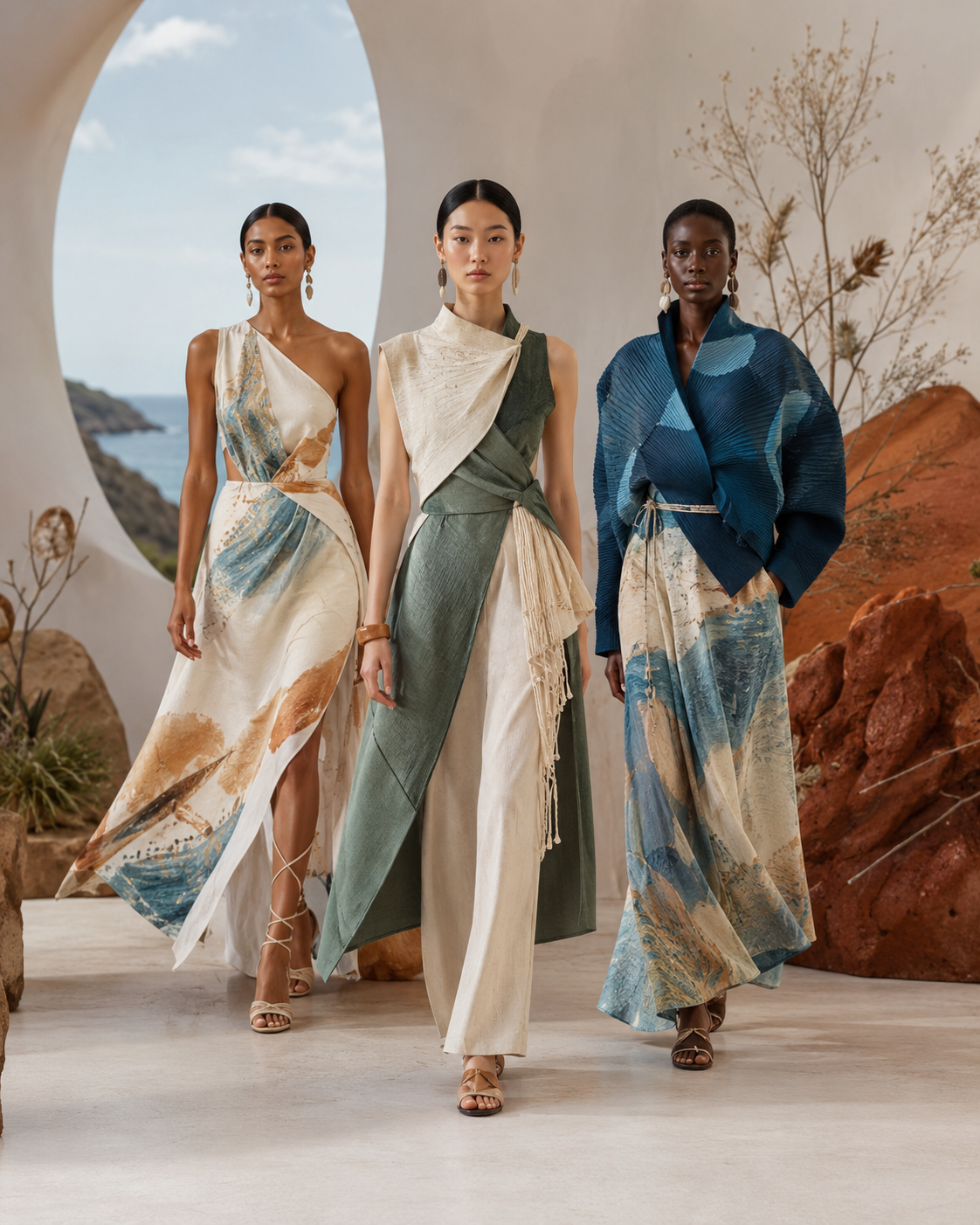
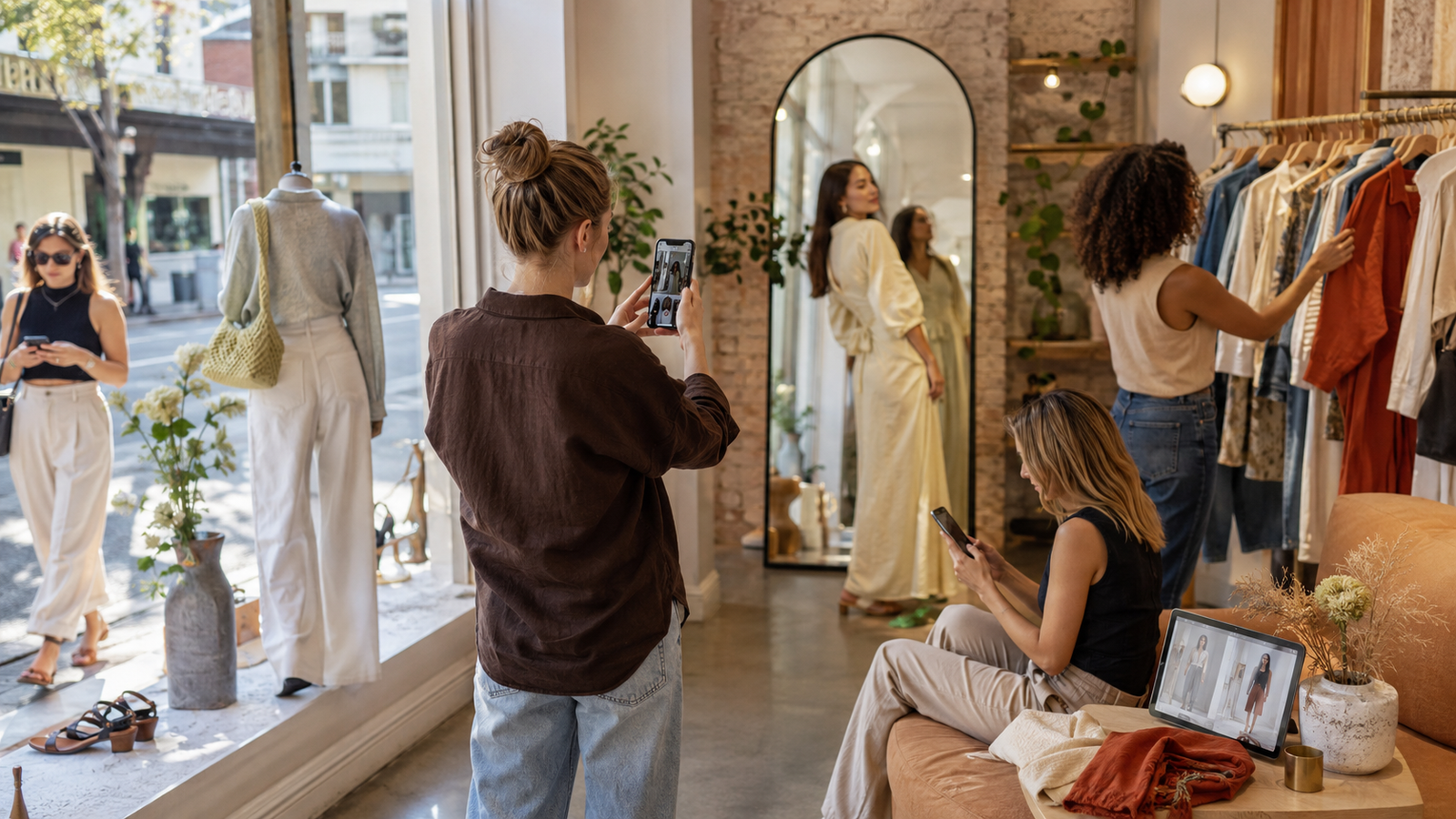
Australia’s independent boutiques are emerging as the most visible face of the country’s circular fashion movement in 2026. Rather than treating sustainability as a marketing slogan, these retailers are embedding resale, repair, and made-to-order models into their daily operations, giving shoppers a practical alternative to fast fashion while supporting local designers.
Why Independent Boutiques Lead Circular Fashion
Independent stores are structurally better positioned for circular models than large chains. They have closer relationships with designers, smaller inventories, and the flexibility to introduce programs such as garment take-back, repair services, and pre-loved rails without navigating complex corporate approvals. Clean Up Australia’s sustainable fashion guidance highlights how extending the active life of clothing is one of the most effective ways to reduce textile waste, a principle that boutique owners are now applying at store level. The resource can be accessed at https://www.cleanup.org.au/sustainable-fashion.
Local Designers Embrace Low-Waste Production
Many Australian designers stocked in independent boutiques are shifting toward made-to-order or limited-batch production. This approach reduces unsold inventory and allows boutiques to offer pieces that feel more personal. Instead of ordering hundreds of units in multiple sizes, a boutique can work with a designer to produce only what customers have committed to buy. This model not only cuts waste but also improves margins for both retailer and designer, as discounting becomes less necessary.
Consumer Demand for Transparency Is Rising
Shoppers in 2026 are asking detailed questions about fabric origins, dyeing processes, and end-of-life options. Independent boutiques are well equipped to answer because their owners often know the designers personally. This transparency creates trust that mass-market retailers struggle to match. When a boutique can explain that a linen dress was made in Melbourne from European flax and is available for repair in-store, the purchase becomes an investment rather than a disposable item.
Resale and Repair as Retail Services
A growing number of Australian boutiques now dedicate floor space to pre-loved designer pieces. This strategy attracts customers who want premium local labels at accessible price points while keeping garments in circulation. Repair bars, where shoppers can bring damaged items for mending or alteration, are also becoming common. These services generate foot traffic and deepen customer loyalty, because they position the boutique as a long-term style partner rather than a one-off seller.
Digital Storytelling Enhances the Circular Model
Google Discover has proven to be a powerful channel for boutiques promoting circular fashion. Stories about how to style a pre-loved designer jacket or how a local label sources deadstock fabric can reach environmentally conscious readers who are actively searching for sustainable alternatives. By publishing detailed, practical content, boutiques improve their discoverability while educating consumers. Social platforms further amplify this by allowing designers and store owners to share production footage, making the supply chain visible and compelling.
The Economic Case for Circular Boutique Retailing
Circular fashion is not just an ethical choice; it is increasingly a financial one. Independent boutiques that offer resale, repair, and made-to-order services report higher repeat visitation and stronger community engagement. They also reduce their exposure to overstock risk. As Australian consumers become more selective about where they spend, boutiques that combine local design with practical sustainability are likely to capture a larger share of discretionary fashion spending throughout 2026 and beyond.