The Invisible Protein Strategy
The most sophisticated protein innovation in Australian dining is not happening on the centre of the plate. It is happening in the sides, the sauces, the garnishes, and the drinks. Chefs and foodservice operators are discovering that protein can be quietly engineered into existing menu items, boosting nutritional value and cheque size without requiring a complete menu overhaul. Bega Foodservice’s Caroline Westmore points out that hard cheeses like parmesan are approximately 35% protein, while a cup of yoghurt delivers around 20 grams. Loading fries with cheddar and parmesan can add an extra 20 grams of protein per serve; stirring 100 grams of cheese into potato mash adds 35 grams.
Dairy as the Quiet Workhorse
Dairy has emerged as the foodservice operator’s secret weapon in the protein arms race. It is familiar, versatile, and does not denature when cooked, meaning its protein content survives the heat of the kitchen. Bega’s launch of Dairy Farmers High Protein Full Cream Milk—which contains 6 grams of protein per 100 millilitres, a 70% increase over regular full cream milk—has given cafes and restaurants a simple swap that can transform a standard flat white or smoothie into a functional protein beverage. Operators can charge a premium for the swap, much like the existing surcharge for alternative milks, creating a new revenue stream from an everyday transaction.
Menu Engineering for the Protein-Conscious Diner
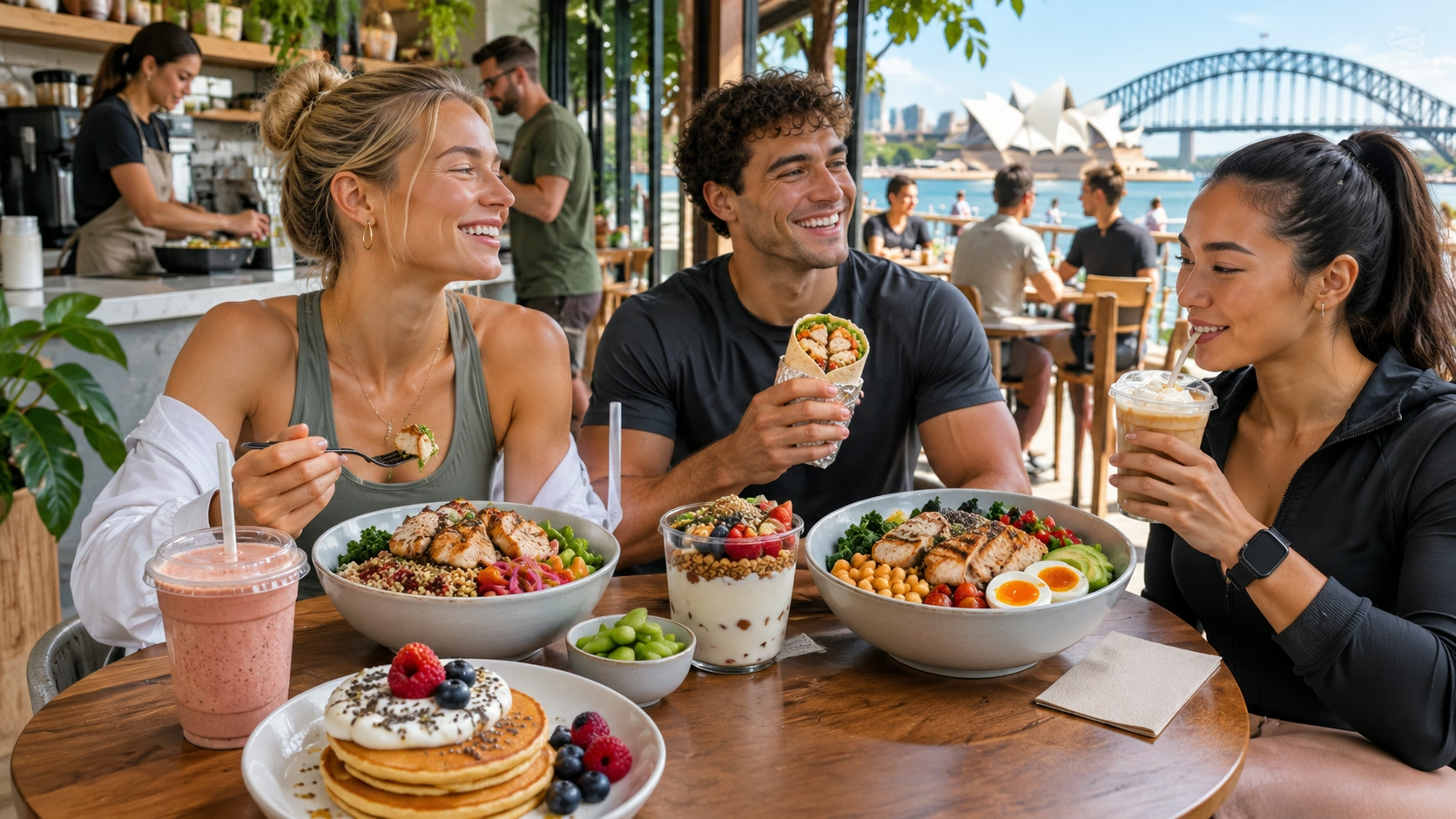
This approach represents a maturation of the protein trend. Rather than offering a single “high-protein” section, operators are embedding protein cues across the menu. A yoghurt raita alongside a rice dish, a Parmesan crust on a schnitzel, or a protein-enriched smoothie in the grab-and-go fridge all signal to the consumer that the venue understands their nutritional priorities. The Australian market has responded. A 2026 Lightspeed report found that health-conscious menu choices—particularly low-sugar and high-protein options—recorded the strongest overall demand, ahead of sustainable sourcing, with demand peaking among Baby Boomers at 34%.
The Chef’s Perspective: Flavour First, Function Second
Consultant chef Adam Moore emphasises that the protein imperative must not come at the expense of flavour or balance. The most successful implementations are those where the protein boost is invisible—where the dish simply tastes better and more satisfying, and the nutritional benefit is a consequence rather than a compromise. This philosophy distinguishes the Australian protein-forward movement from the blunt “protein maxxing” of social media. It is a chef-led, flavour-first approach that treats protein as an ingredient to be integrated with craft, not a supplement to be added as an afterthought. The venues that master this balance will define the next generation of Australian dining.