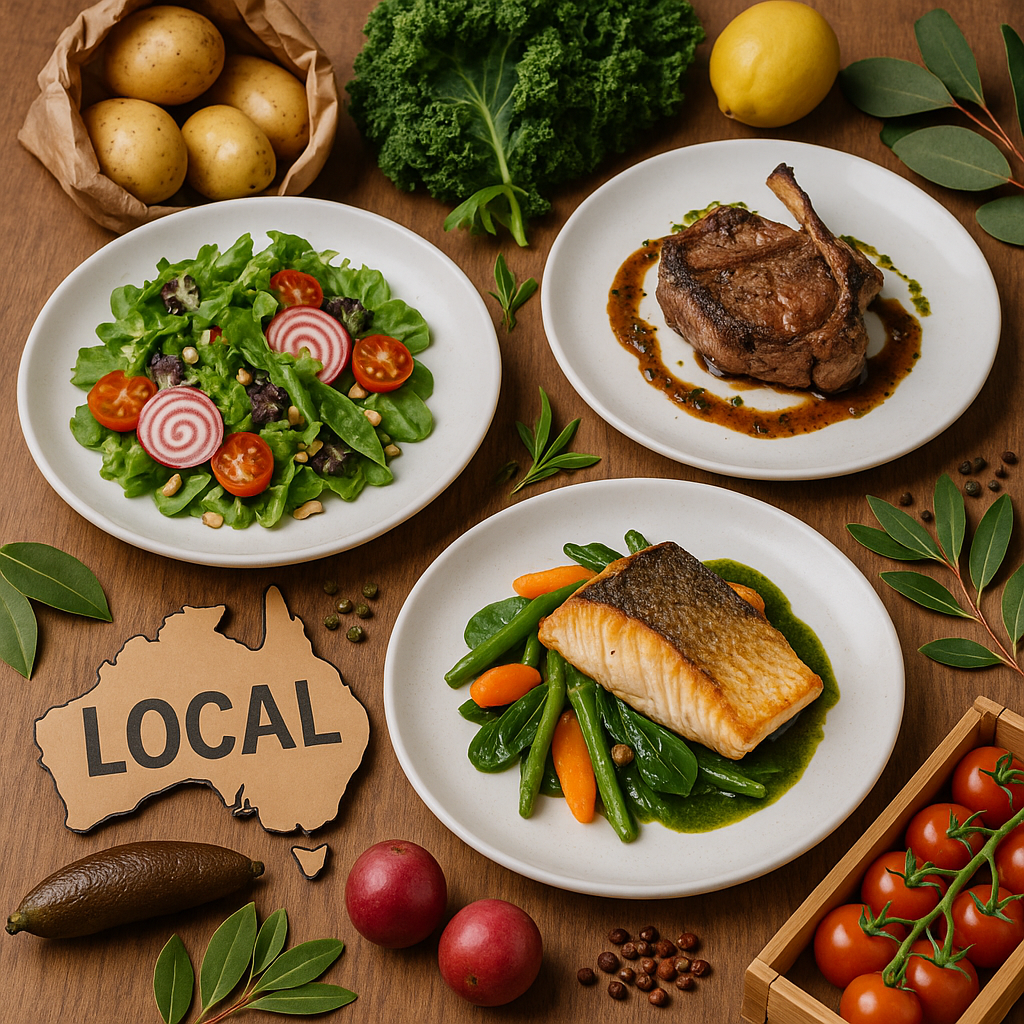
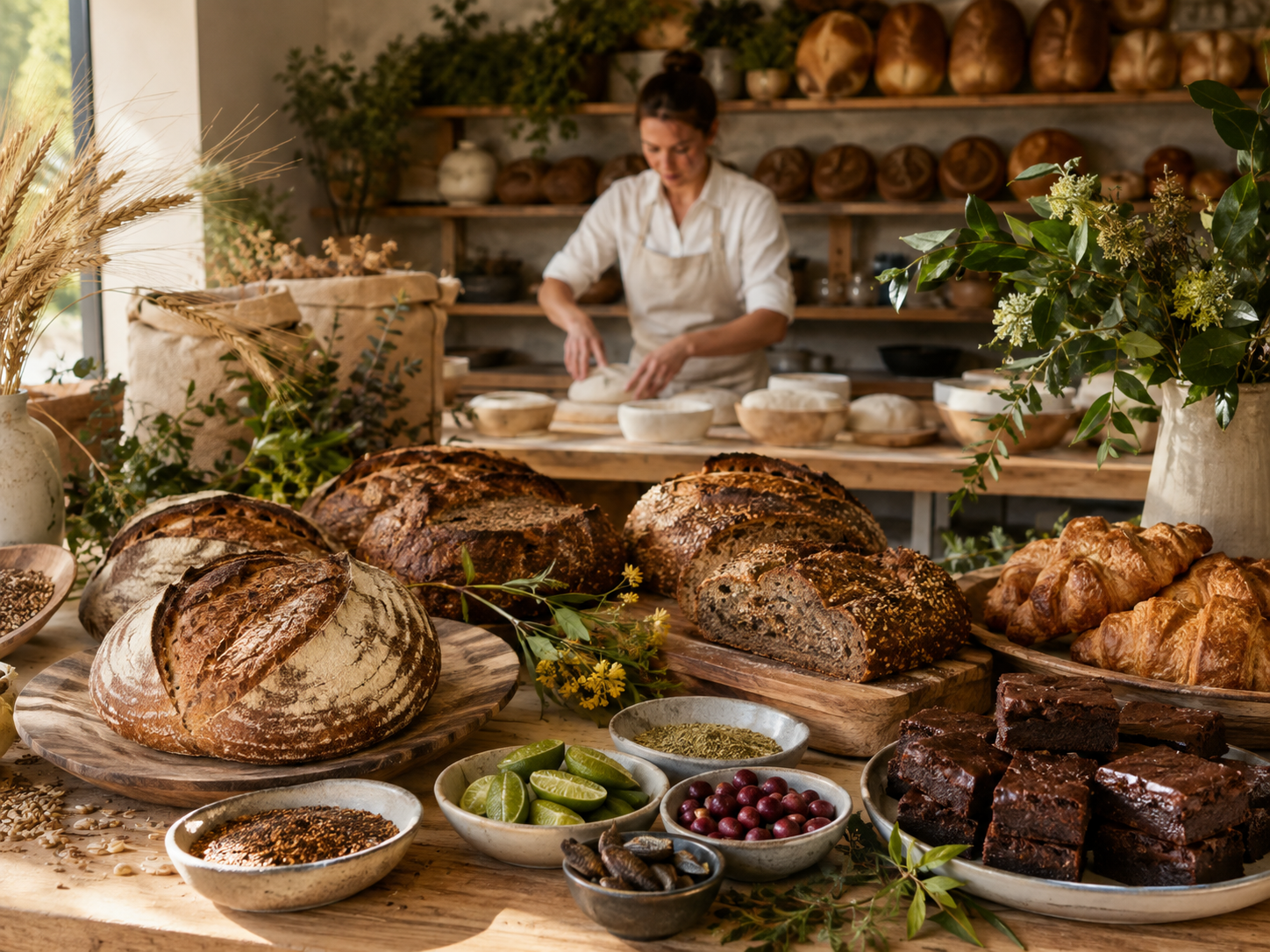
The Australian bakery is no longer just a place to buy bread and cakes. It is becoming a laboratory for sustainable agriculture, nutritional science, and native food research. From regenerative flour to gluten-free croissants and wattleseed brownies, the industry is responding to a clear consumer shift toward health, environmental responsibility, and local identity.
The Shift Toward Regenerative Flour
Wheat farming in Australia has faced criticism for soil degradation and water use. In response, a growing number of small bakeries are sourcing flour from regenerative farms that rotate crops, reduce tillage, and build soil carbon. These flours often have higher protein variability, which demands more skill from bakers but delivers deeper flavour. Bakeries in Western Australia and Victoria are working directly with grain growers to create single-origin flour, a concept borrowed from specialty coffee. This farm-to-loaf movement is still niche, but it is attracting serious attention from food writers and sustainability advocates.
Native Ingredients Enter the Pastry Case
Australian bush foods are moving from the pantry of fine-dining restaurants into everyday bakery items. Finger lime, wattleseed, lemon myrtle, and muntries now appear in cakes, biscuits, and even sourdough loaves. These ingredients are prized for their intense flavour and nutritional density. Wattleseed, for example, has a coffee-like aroma and is high in protein and resistant starch. By incorporating native ingredients, bakeries are also supporting Indigenous food enterprises and creating a distinctly Australian product range that stands out in international markets.
Gluten-Free and Low-GI Innovation
Health-driven bakery innovation is not limited to bread. Gluten-free pastry has improved dramatically, with bakers using rice, sorghum, buckwheat, and psyllium husk to mimic the texture of wheat-based products. Low-GI breads made from spelt, kamut, or high-amylose wheat are marketed to consumers managing blood sugar. The challenge has been to deliver health benefits without sacrificing taste. In 2026, several Australian bakery chains have launched sourdough lines that are both naturally leavened and certified low-FODMAP, appealing to the one in seven Australians who experience IBS symptoms.
2026 Market Data on Health Bakery
The health and wellness bakery segment is growing faster than the overall bakery market. CSIRO’s food and agriculture research highlights Australian grains as a key platform for developing high-fibre, low-GI products. More detail is available at CSIRO Grains Research. Industry analysts estimate that health-positioned bakery products now account for over 20 per cent of new product launches in the Australian food retail sector. This innovation is not just about removing ingredients; it is about adding functional benefits such as prebiotic fibre, plant protein, and omega-3 fatty acids.
The health revolution is reshaping the bakery from the inside out. In the coming years, Australian bakers will likely compete not only on taste and texture but also on soil health, native ingredient provenance, and nutritional transparency.