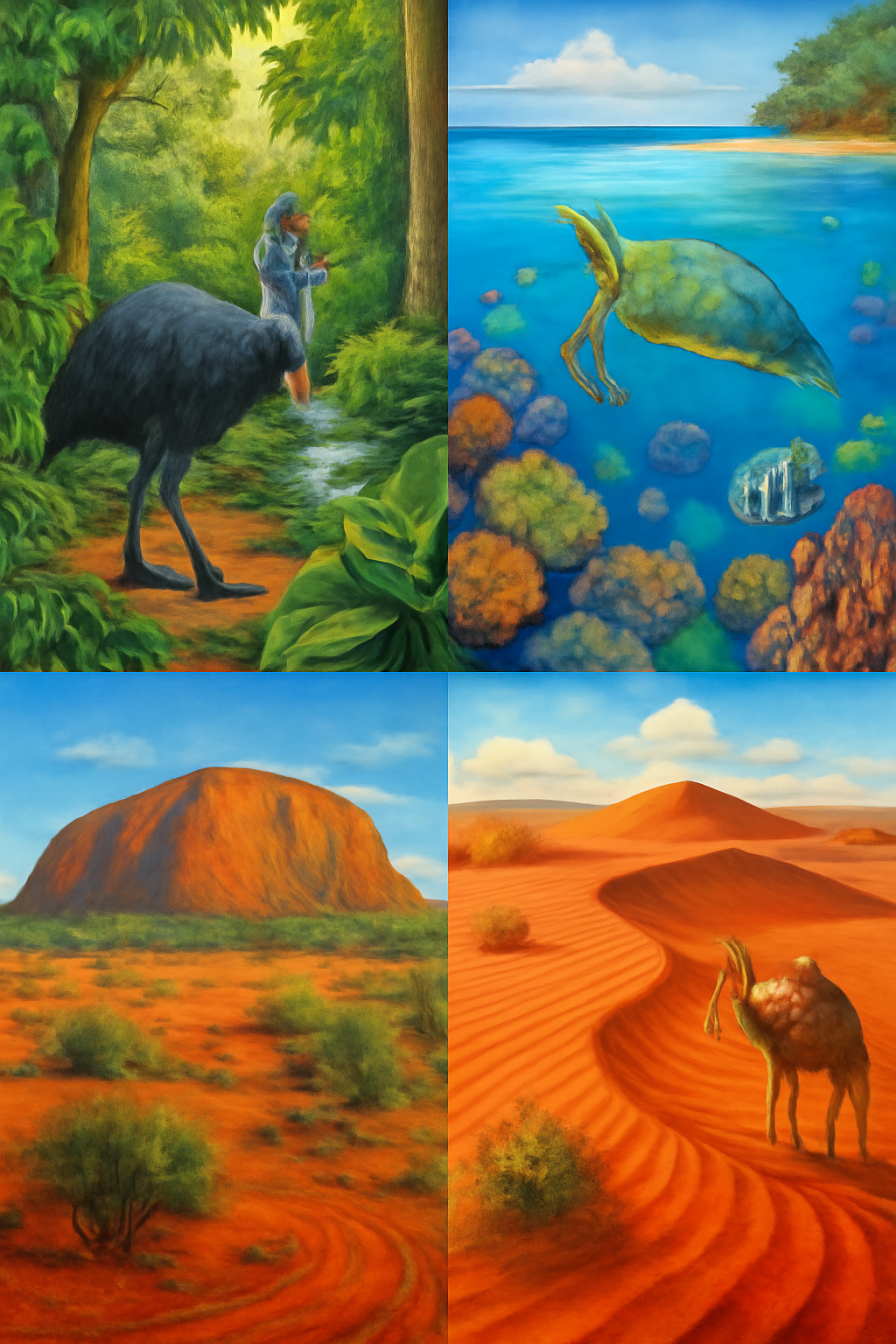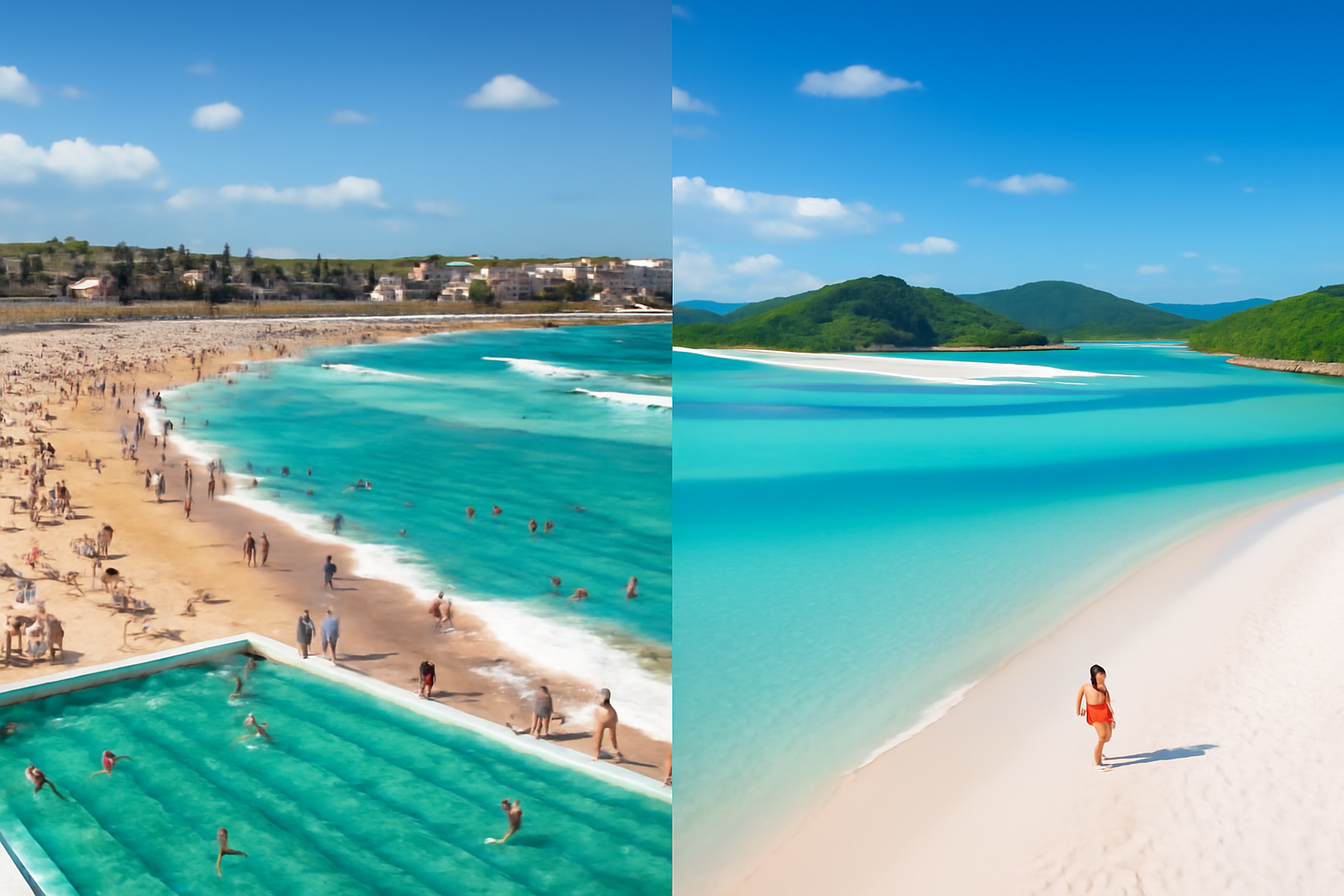

Few countries invite outdoor exploration as naturally as Australia. Its geography encourages movement, whether that means heading toward the coast with a surfboard, stepping onto a bush trail with a backpack, or setting out across a national park in search of wildlife and open space. The country’s outdoor appeal comes from contrast. One region may offer tropical waters and coral reefs, while another presents cool forests, rocky escarpments, or vast red desert plains. This contrast is what makes Australia such a compelling destination for people who want more than one kind of experience from a single trip.
Surfing is often the first activity people associate with Australia, and it remains one of the strongest symbols of the national outdoor lifestyle. Australian beaches support everyone from first-time learners to elite professionals. Places like Bondi Beach, Manly, and Noosa are widely known because they combine beautiful scenery with easy access, surf instruction, and a lively beach atmosphere. More advanced surfers may prefer destinations such as Byron Bay, Snapper Rocks, or Margaret River, where wave quality and local surf culture are taken very seriously. However, surfing in Australia involves more than excitement. Understanding beach safety is crucial, especially because rip currents can be dangerous even for confident swimmers. Local advice, warning signs, and surf condition updates should always be part of the plan.
Hiking offers a slower but equally powerful way to engage with the country. Australia’s trails highlight how ecologically rich the land is. Walkers can pass through wet tropical rainforest in Queensland, dramatic coastal scenery in Victoria, and alpine environments in Tasmania. The Great Ocean Walk is especially appealing for those who want ocean views combined with physical challenge, while the Blue Mountains provide easier access for travelers based in Sydney. In Tasmania, hiking becomes more remote and immersive, with tracks that pass glacial lakes, button grass plains, and ancient forest zones. For those interested in the interior, outback walks reveal an entirely different beauty, where wide horizons, rock formations, and silence define the experience.
What makes outdoor travel in Australia particularly rewarding is the way activities overlap. A single destination often supports multiple adventures. In Western Australia, for example, visitors may surf in the morning, hike a coastal trail in the afternoon, and watch marine life from shore before sunset. Reef regions offer snorkeling and diving opportunities alongside island walks and boat excursions. National parks frequently combine scenic lookouts, wildlife observation, picnic areas, campgrounds, and longer backcountry routes. This variety allows travelers to shape each day according to energy level, weather, and personal interest.
Seasonal timing matters because Australia is a continent-sized country with major regional differences. Summer in the south can be ideal for beach activities, but the tropical north may be hotter, wetter, and less predictable at the same time. Spring and autumn are often excellent for hiking because they offer milder temperatures and clearer conditions. Regardless of season, strong sun is a constant concern, so hats, sunscreen, sunglasses, and hydration are essential. Good footwear, maps, and emergency awareness are especially important in remote areas, where help may not be close by.
Australia’s outdoor world also carries cultural and environmental meaning. Many landscapes have deep significance to First Nations communities, and responsible travel includes respecting land access rules, heritage sites, and local guidance. The most memorable adventures are not simply about adrenaline or scenery. They are about learning how the land, sea, weather, and culture connect. Whether someone is riding a clean wave, climbing a forest trail, or resting beside a campfire after a long walk, outdoor activity in Australia creates a rare sense of freedom grounded in place.