To understand Australian streetwear, imagine a loop: music scenes feed visual culture, media amplifies it, and the city returns it to the streets in new forms. Hip‑hop collectives, indie bands, and club producers each set reference points—baggy denim, branded tracksuits, distressed knits, and rare sneakers—while stylists and photographers crystallize these looks into shareable images. From there, algorithms do the rest.
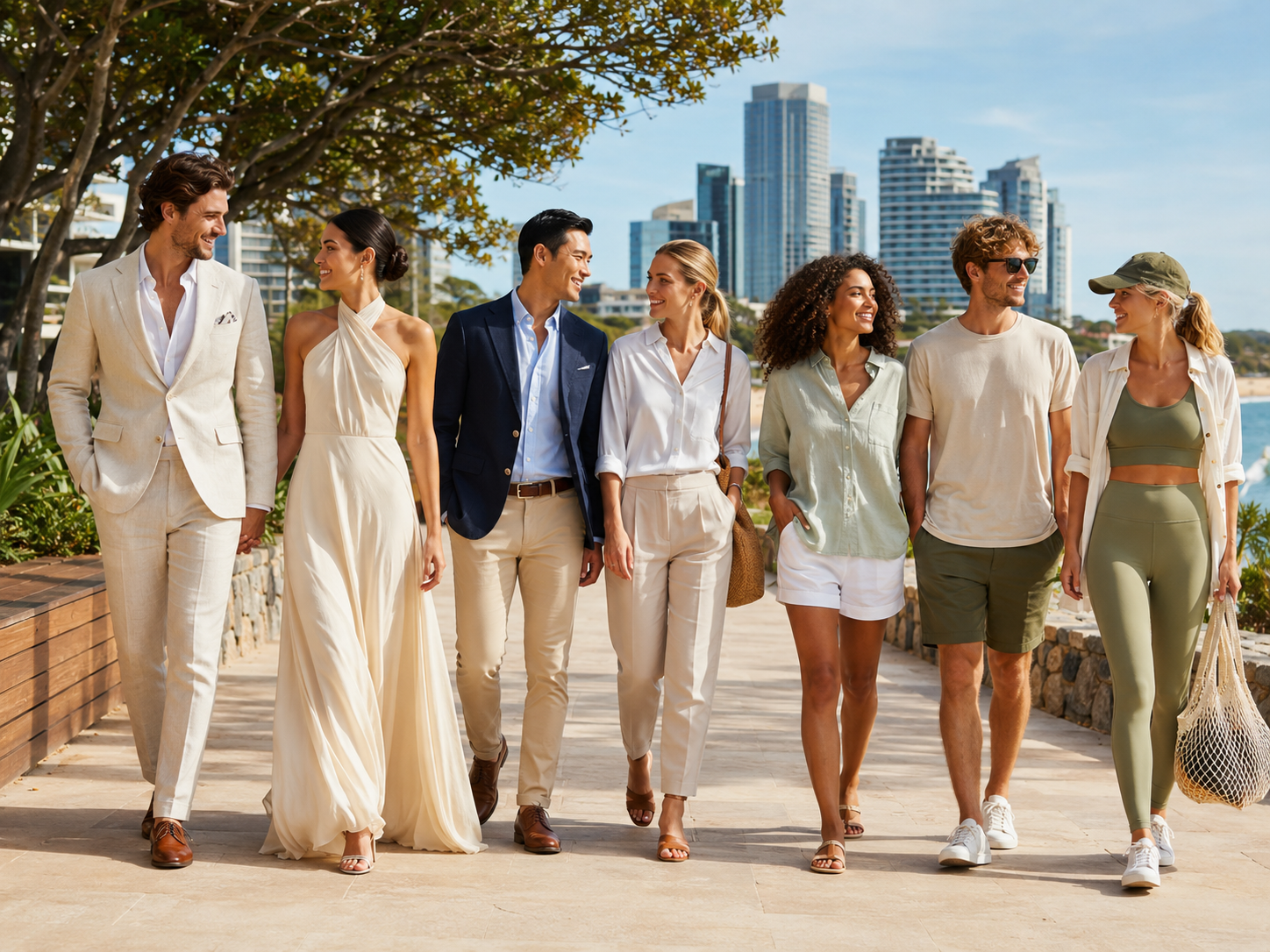
Australia’s geography shapes practice. Sun‑exposed cities reward breathable cottons, loose camp‑collars, and shorts with generous rise; wintery stretches invite fleece, ribbed beanies, and matte puffer vests. Builders of the scene design for movement—cycling to the train, queueing for a set, shifting from beach to bar. Utility is not an aesthetic garnish; it is the baseline.
Sneaker culture acts like a stock exchange. Releases ripple across group chats; raffles and lineups are rituals. Pairs with story—artist collabs, heritage models, materials with texture—carry social value. Cleaning kits and restoration services keep older sneakers in rotation, reinforcing a circular mindset that complements the popularity of thrift and upcycling.
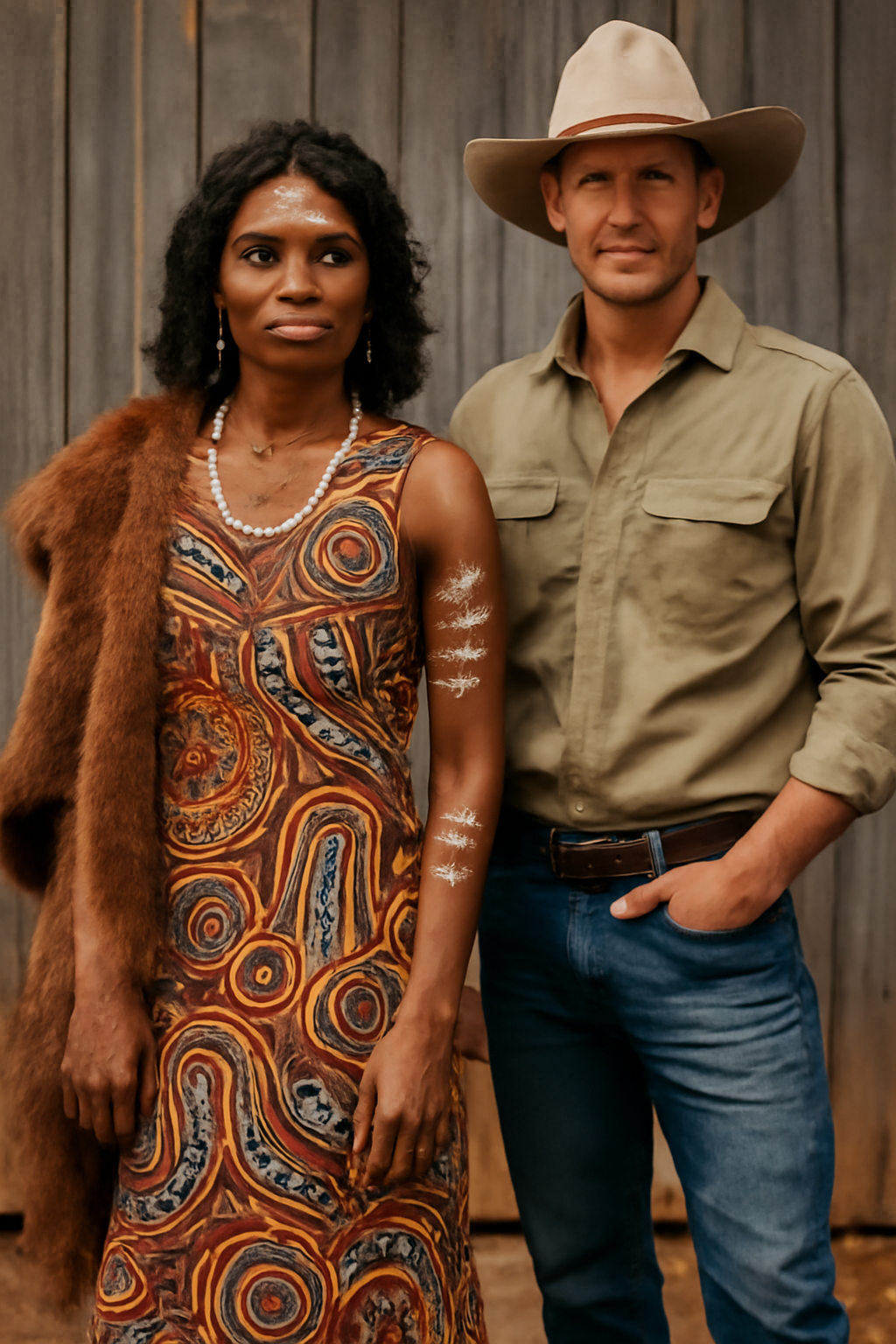
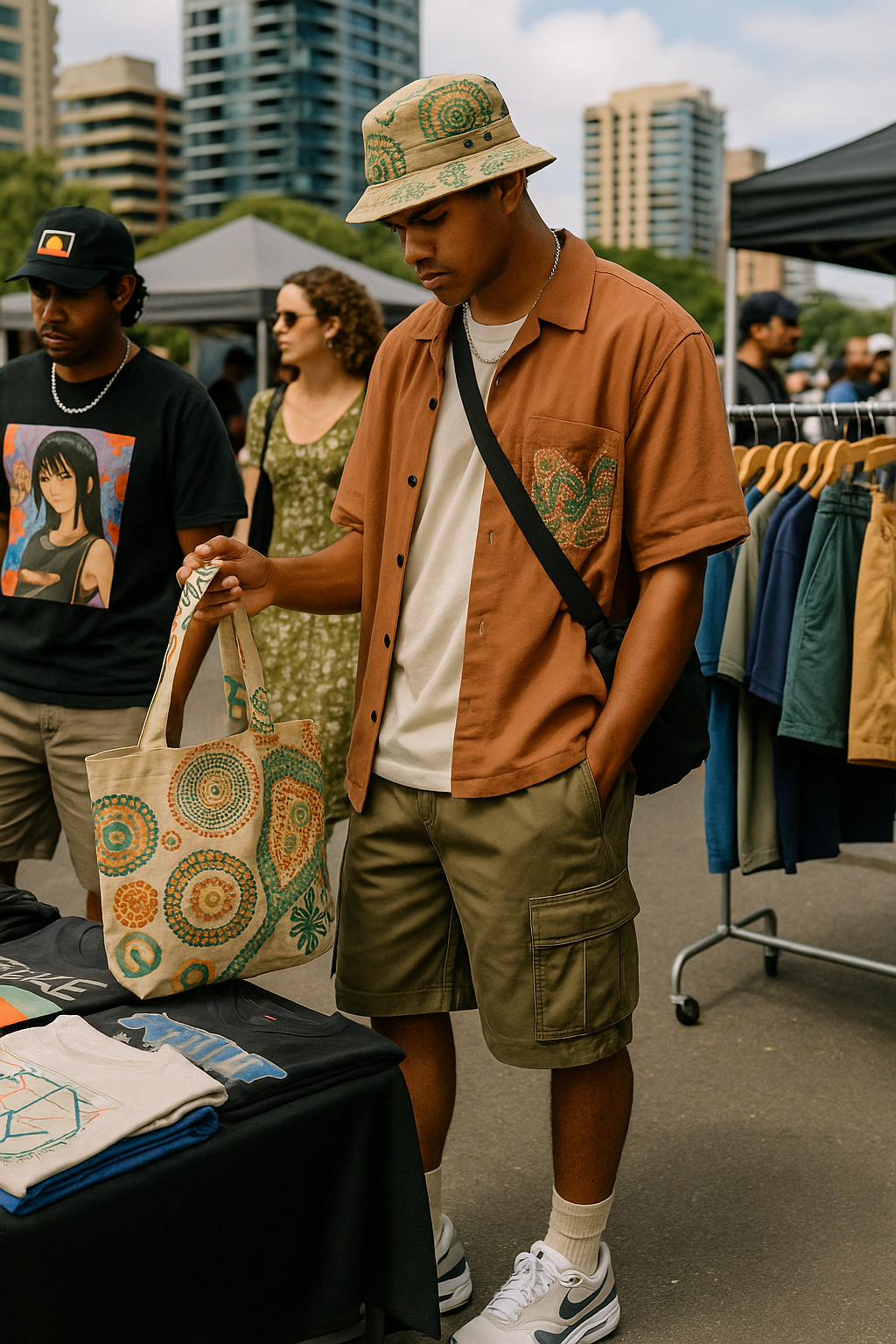
Indigenous creativity continues to reshape the conversation. Collaborations that properly license art and share revenue expand the color language of streetwear and ground it in place. Prints inspired by Country, beadwork accents, and narratives embedded in pattern remind wearers that clothes can carry history, not just hype.
Media is the multiplier. Local magazines, YouTube channels, and TikTok stylists translate runway moments into practical advice: how to balance a boxy tee with tapered cargos, why pastel palettes work in harsh sunlight, where to source high‑quality blanks. This ecosystem reduces gatekeeping while still rewarding knowledge.
The economy around streetwear reveals maturity. Consignment stores curate heat, yes, but they also nurture community with panels on sustainability, beginner workshops on screenprinting, and artist residencies. Independent labels operate with drop calendars, SMS lists, and pop‑ups that feel like block parties. Even mainstream retailers now carve space for Australian designers, acknowledging that local interpretation sells.
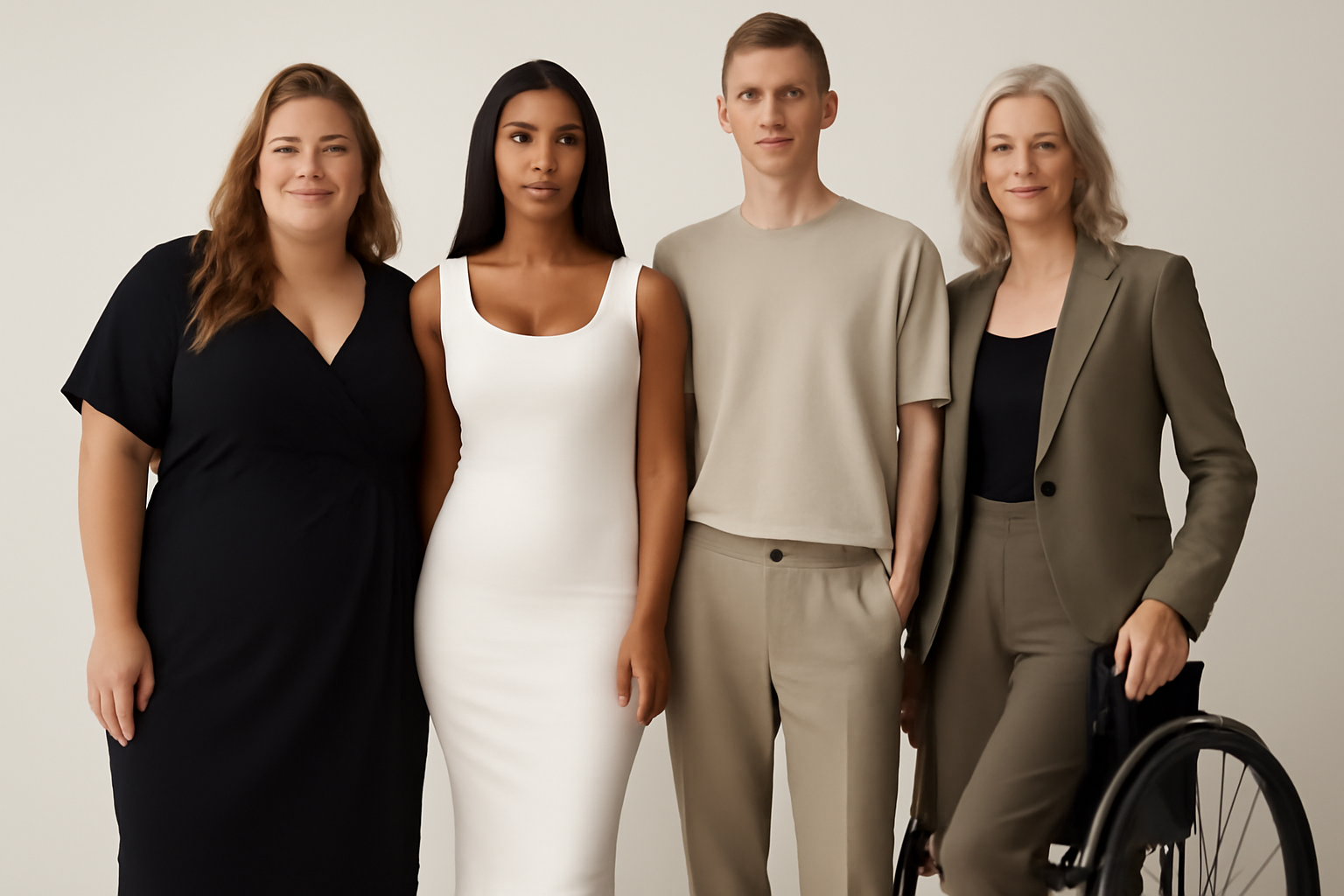
Aesthetically, the spectrum is wide. One lane leans toward gorpcore and tech—ripstop, taped seams, modular bags—favored by festival‑goers and commuters. Another prizes vintage sport references, from retro rugby jerseys to 2000s skate silhouettes. A third blends minimalist tailoring with heritage workwear for a sharper, gallery‑ready effect. What unites them is proportion play: roomy on top, grounded by clean sneakers; or cropped outerwear over wider pants to manage heat and movement.
Ultimately, Australian streetwear thrives because it respects context. It borrows from global pop culture while insisting on local fit, fabric, and function. The city supplies the rhythm; music sets the melody; media turns up the volume. The result is a wardrobe that works as hard as the day does and still looks right under neon.