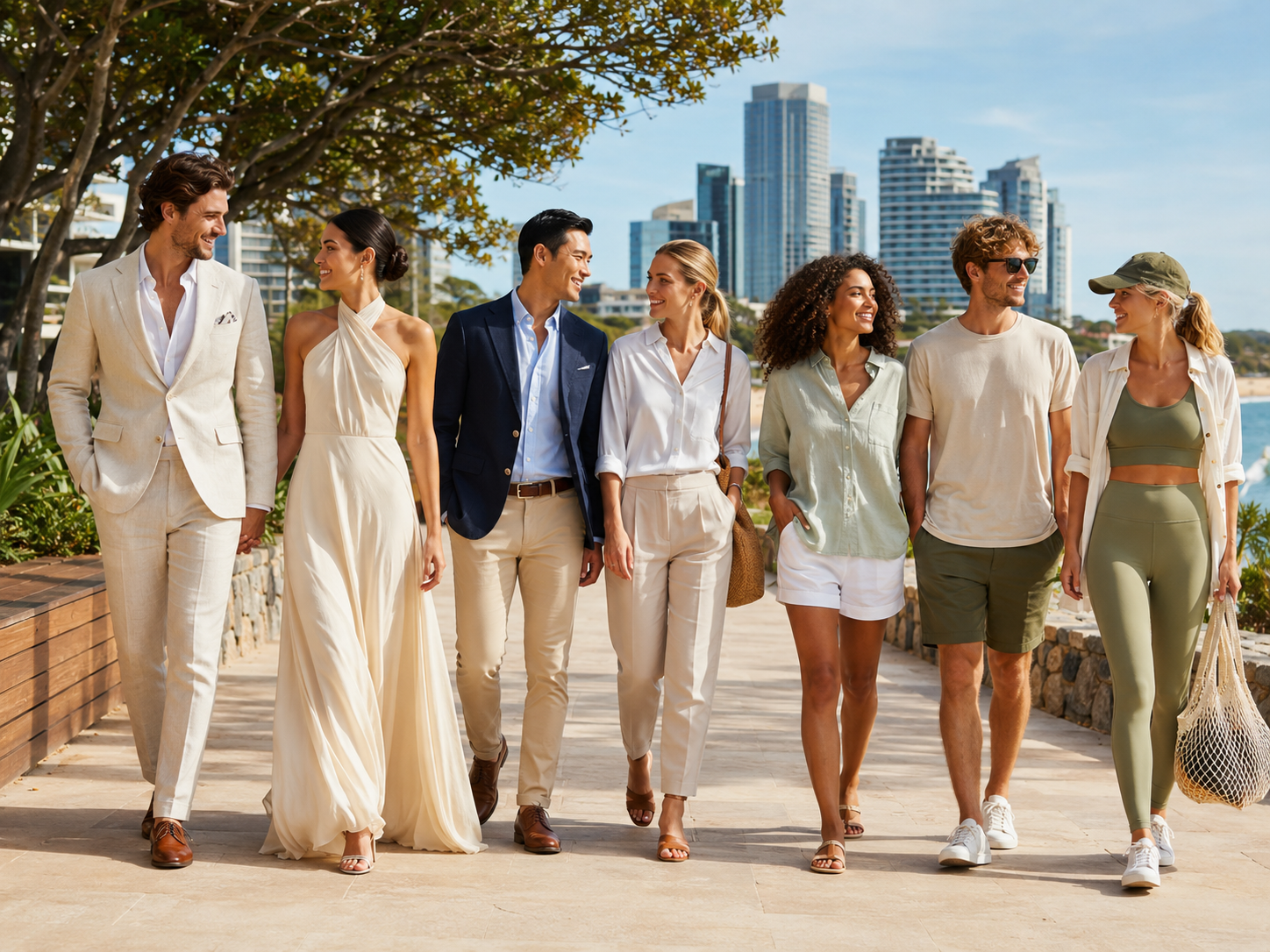
Australia’s outdoor lifestyle has a strong influence on its fashion identity, shaping clothing that is practical, adaptable, and closely connected to nature. With a culture that embraces beaches, hiking, surfing, and outback exploration, fashion naturally evolves to meet functional needs while maintaining style.
One of the defining characteristics of Australian outdoor fashion is versatility. Clothing is designed to transition between environments—whether from coastal winds to urban settings or from hot desert conditions to cooler evenings. Lightweight, breathable fabrics are commonly used to ensure comfort in extreme heat, while layering pieces are essential for temperature shifts.
Sun protection plays a crucial role in design. Wide-brim hats, UV-protective fabrics, and long-sleeved lightweight shirts are staples of outdoor fashion. These elements are not only practical but have become part of Australia’s signature style aesthetic.
Footwear is another important aspect influenced by the landscape. Durable boots are often worn in rural and outback areas, while sandals and water-resistant shoes are popular in coastal regions. Many designs prioritize functionality without sacrificing visual appeal.
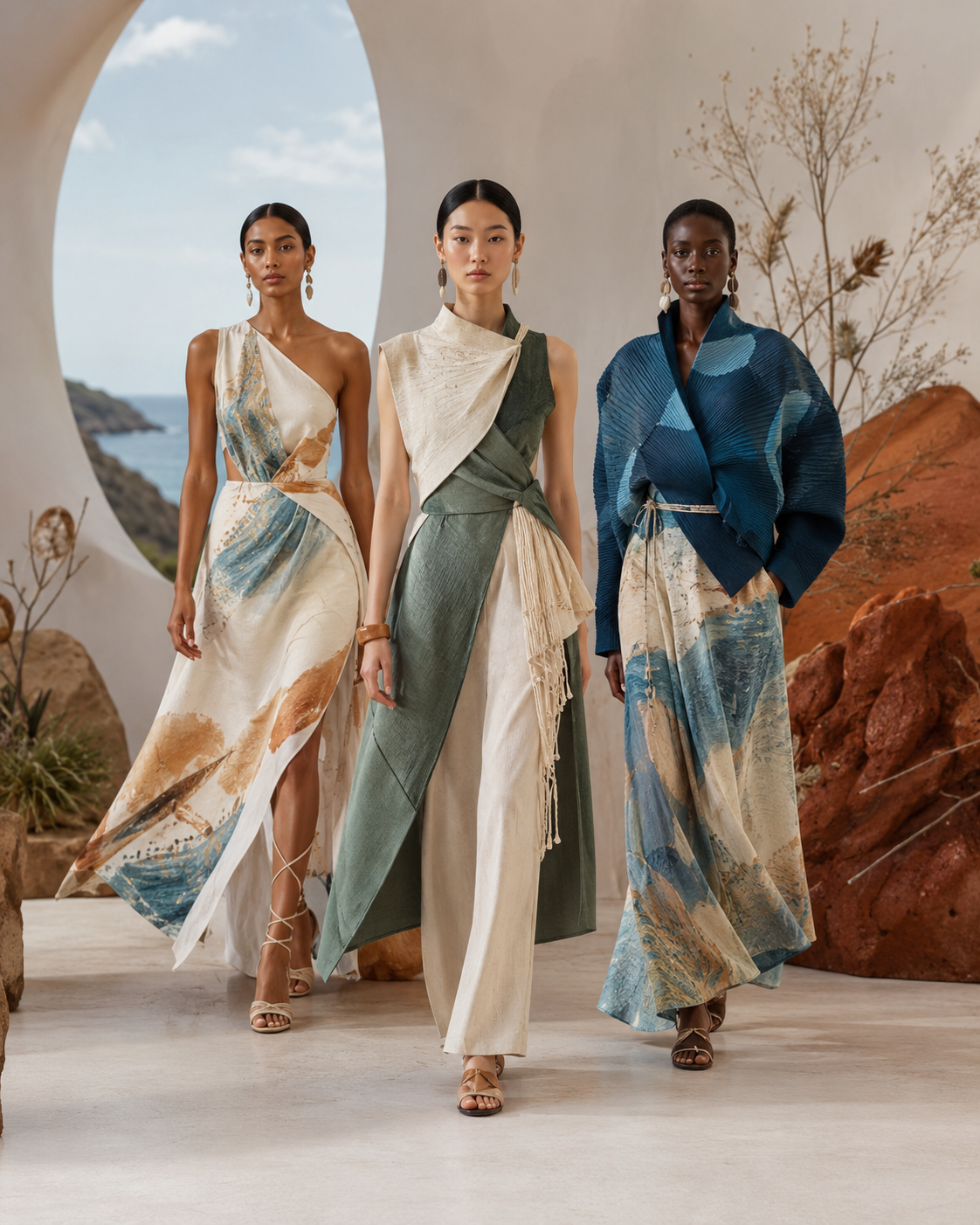
The color schemes of outdoor-inspired fashion often mirror the natural environment. Sandy neutrals, ocean blues, and sunburnt oranges reflect Australia’s terrain. These tones create a visual connection between clothing and landscape, reinforcing the idea that fashion is shaped by place.
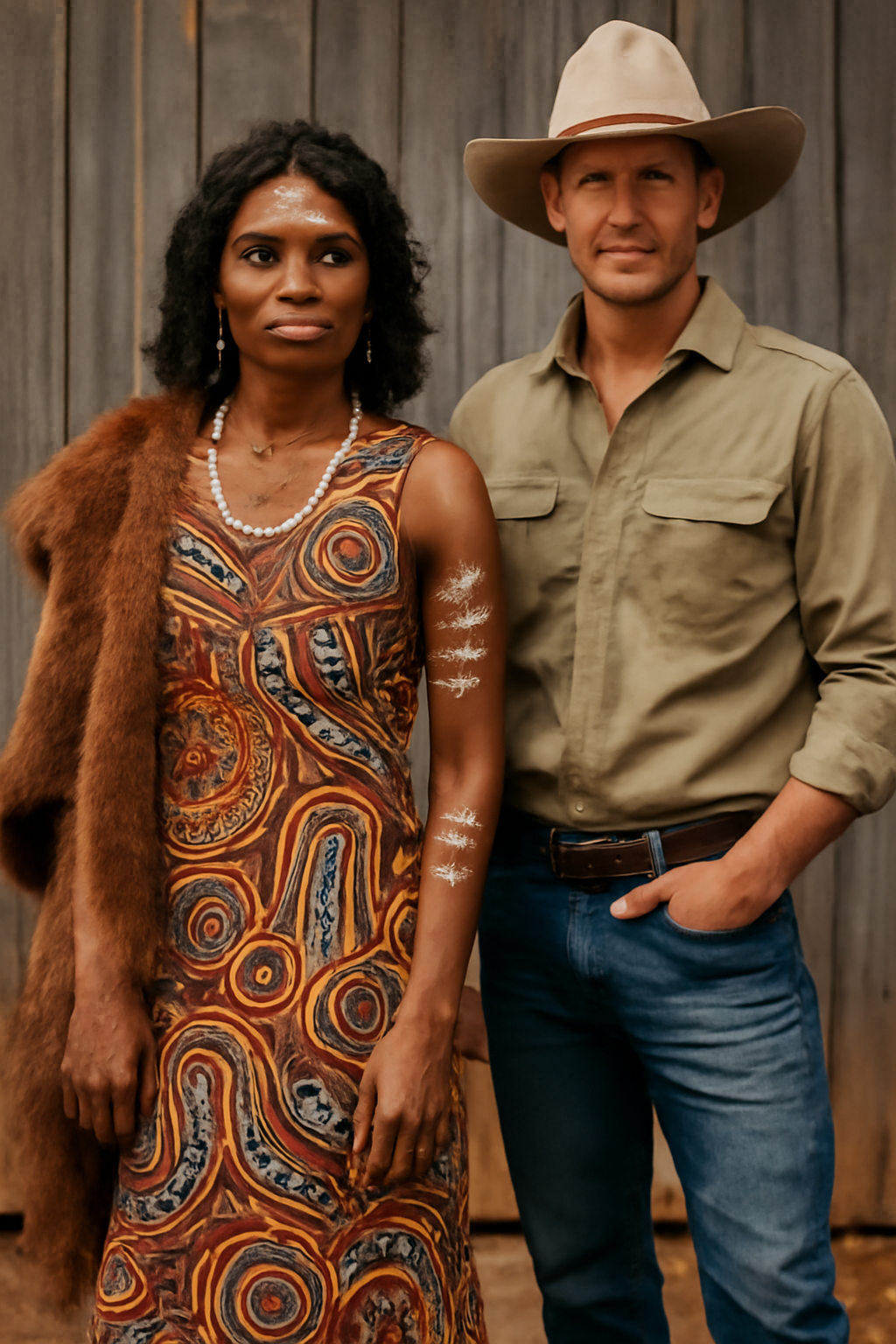
Brands that specialize in outdoor apparel often draw inspiration from Indigenous knowledge of land navigation and environmental adaptation. This includes understanding weather patterns, terrain, and natural materials that have been used for survival for thousands of years.
Surf culture also plays a major role in shaping Australian fashion identity. Boardshorts, wetsuits, and relaxed beachwear have become globally recognized symbols of Australian lifestyle. These garments prioritize flexibility and water resistance while maintaining a casual aesthetic.
In rural and farming communities, clothing tends to be highly durable and practical. Denim, flannel shirts, and weather-resistant jackets dominate, reflecting the demands of physical outdoor labor.
Overall, Australian outdoor fashion is not just about clothing; it represents a way of life deeply connected to the land. It merges practicality with identity, showing how environment can directly shape cultural expression through dress.