A New Kind of Arcade Renaissance
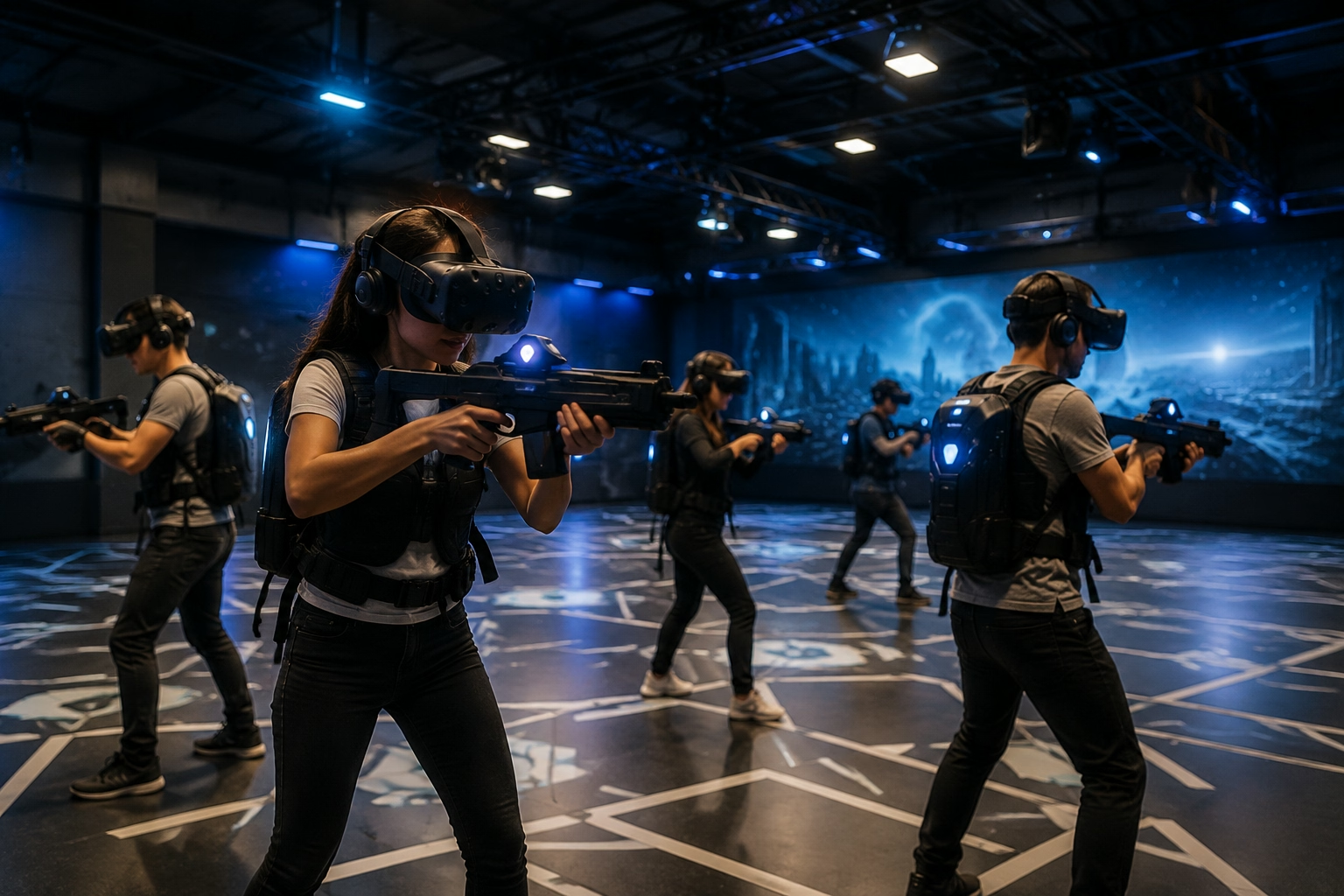
The traditional arcade—once filled with pinball machines and claw games—is undergoing a digital rebirth. Across Australia, standalone VR arcades and hybrid entertainment centres are popping up in shopping malls, entertainment precincts, and even airports. These venues offer short, high-intensity VR sessions ranging from racing simulators to full-body rhythm games.
What makes the 2026 Australian market unique is its rapid consolidation. Independent operators are merging into regional chains, pooling resources to license premium game titles and maintain cutting-edge hardware. The result is a more standardised experience, but also a more reliable one. Customers know they can walk into a VR arcade in Perth or Hobart and find a similar quality of service.
Market Data and Consumer Behaviour
According to the 2026 Australian Digital Entertainment Industry Snapshot published by the Interactive Games & Entertainment Association (IGEA), location-based VR venues generated an estimated AUD 148 million in revenue during the 2025–26 financial year, a 19% increase over the previous period. The full snapshot is available at https://igea.net/ .
The report also highlights a surprising demographic shift. While early VR arcades catered mostly to teenage gamers, the 2026 customer base is 38% corporate groups, 27% families, and 35% individuals aged 25–40. Corporate team-building now accounts for nearly a third of weekday revenue, with companies booking private sessions for problem-solving and communication exercises.
Case Study: VR Esports Simulators in Melbourne
A standout trend is the rise of competitive VR esports simulators. At Melbourne’s Fortress Esports Arena, players can compete in VR racing leagues, virtual boxing tournaments, and tactical shooter tournaments with cash prizes. The arena installed 24 high-end VR stations in January 2026, each equipped with motion platforms and haptic gloves.
The esports angle has proven lucrative. Sponsors from energy drink brands and gaming peripheral manufacturers are eager to reach the VR audience, which skews younger and more tech-savvy. Fortress reports that VR tournament nights draw 40% more attendees than traditional PC esports events, partly because VR spectating is more dynamic—audiences see the player’s physical movements alongside the digital action.
Subscription Models and the Netflix Effect
Another 2026 development is the subscription model. Several VR arcade chains now offer monthly memberships ranging from AUD 49 to AUD 99, granting unlimited off-peak sessions and discounts on premium titles. This approach smooths revenue fluctuations and builds a loyal customer base.
The Netflix effect is visible in content curation. Operators rotate game libraries quarterly, announcing “new season” drops to drive repeat visits. Popular VR titles like Beat Saber, Pistol Whip, and The Walking Dead: Saints & Sinners are supplemented by Australian-made experiences that cannot be played at home.
What’s Next for VR Arcades?
The next growth phase will likely involve integration with traditional hospitality. Several Sydney VR arcades now serve cocktails and small plates, turning a 30-minute gaming session into a two-hour social evening. This hybrid model—combining food, drinks, and immersive play—has already succeeded in Tokyo and Seoul, and Australian entrepreneurs are quickly adapting it for local tastes.