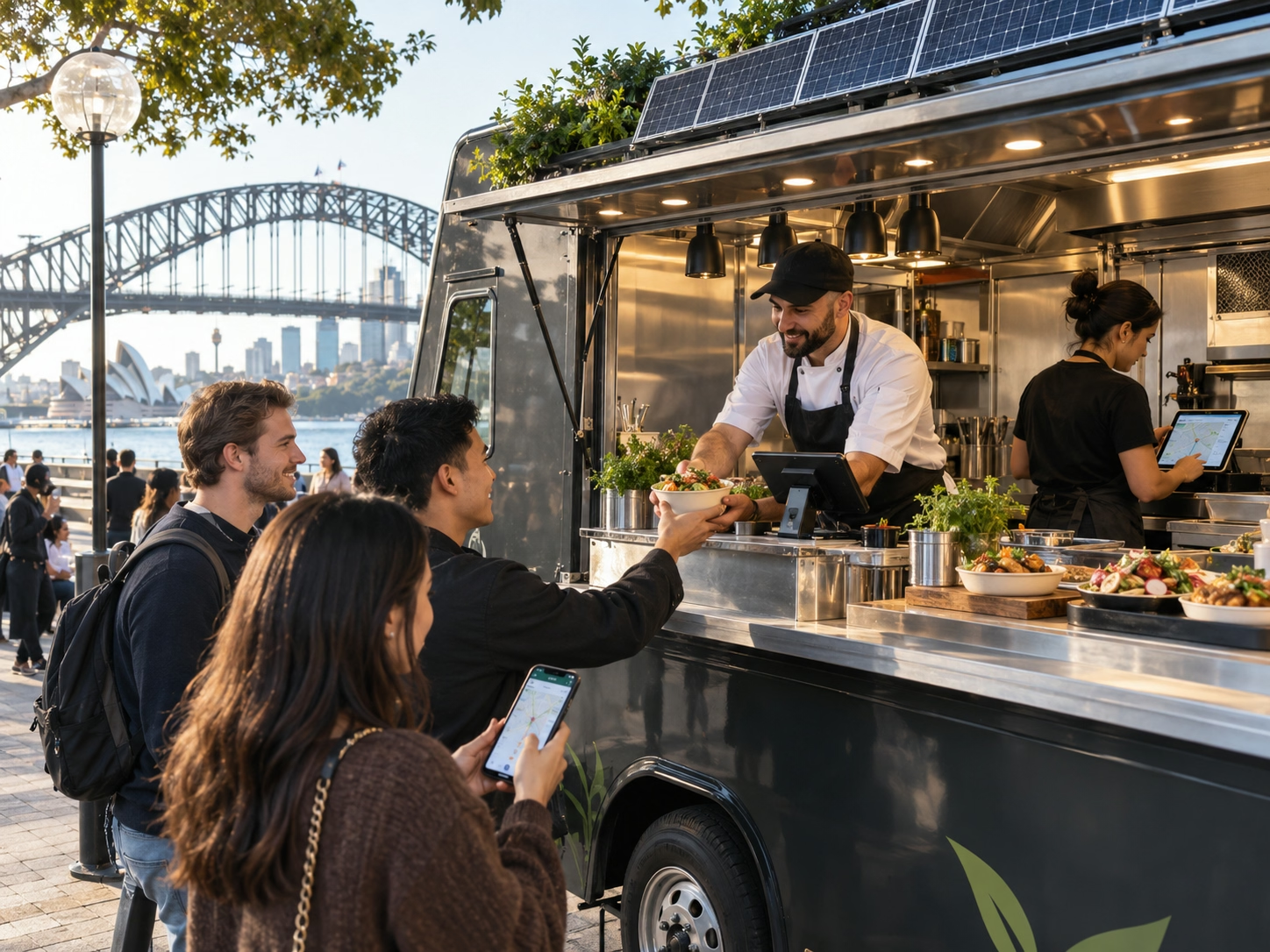
For aspiring culinary entrepreneurs, the allure of the food truck is strong—it represents freedom, low overheads, and creative control. However, the reality of operating in Australia in 2026 is a complex web of regulatory compliance, fluctuating fuel costs, and intense competition. Understanding the economics is the difference between a thriving business and a costly mistake.
The Cost of Entry and Operation
The initial capital expenditure for a fully fitted, commercial-grade food truck in Australia can range from AUD $80,000 to over $200,000, depending on customization. However, the ongoing costs often surprise new operators. These include commercial kitchen rental (as most councils require trucks to operate out of a licensed commissary), insurance (public liability and vehicle), gas and electricity, and the often-overlooked cost of point-of-sale software subscriptions.
The Council Permit Labyrinth
One of the most significant hurdles is navigating the fragmented regulatory environment. Unlike some countries with national standards, Australian food truck regulations are governed by local councils. An operator wanting to trade in three different suburbs of Melbourne may need three separate permits, each with different fees, zoning restrictions, and time limits. This “postcode lottery” significantly impacts where a truck can legally operate and requires meticulous logistical planning.
Industry advocates have been calling for a harmonization of these laws to unlock the sector’s full economic potential. The Australian Government’s business.gov.au portal provides extensive guidance, outlining that operators must comply with the Food Standards Code and local council regulations regarding parking and trading hours. Failure to do so results in hefty fines that can quickly erase a week’s profit.
Strategies for Profitability in a Saturated Market
To succeed, operators are diversifying revenue streams. Relying solely on lunchtime foot traffic is no longer viable. Successful businesses are now heavily invested in private catering for weddings and corporate events, which offer guaranteed income and higher margins. Additionally, securing permanent spots at weekend markets or brewery car parks provides the stability of a regular customer base without the uncertainty of street vending.