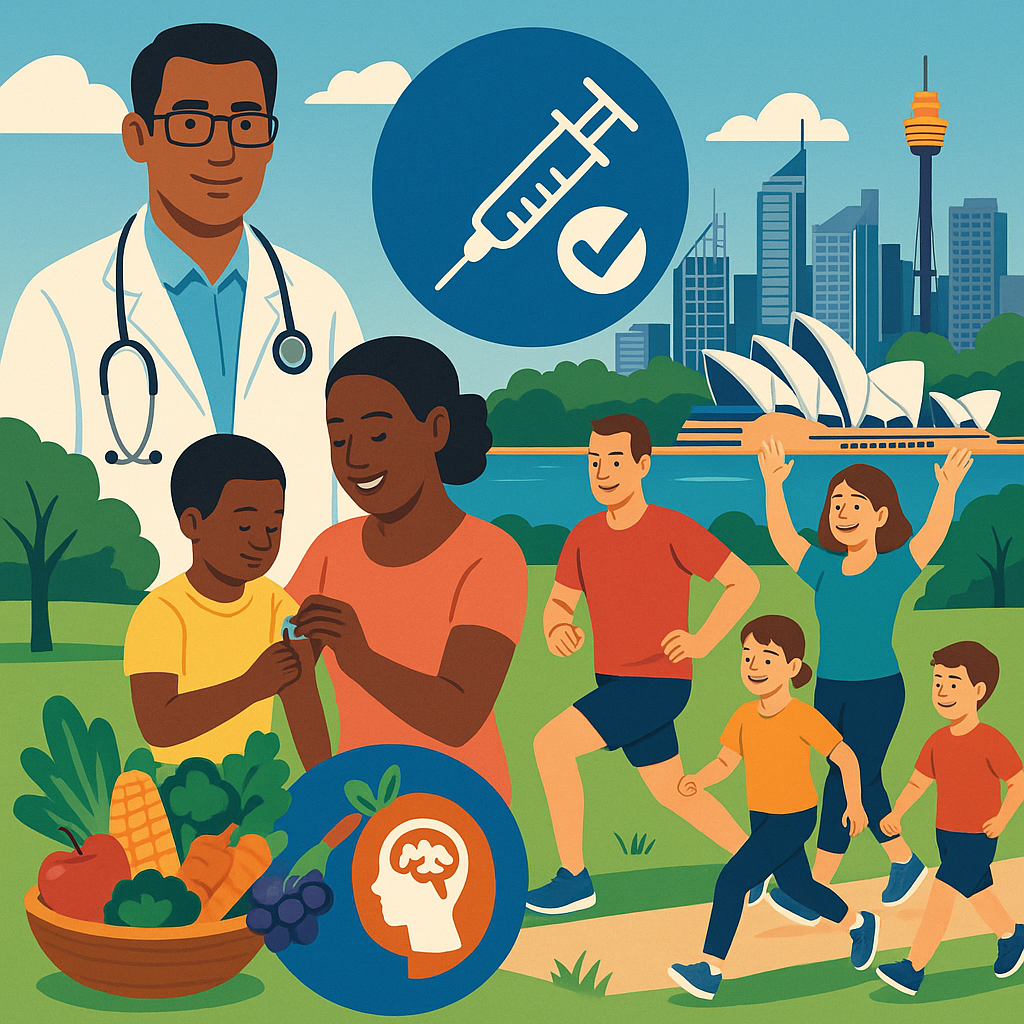

Australia has a robust healthcare system that offers various reproductive health services to its residents. However, despite the success of Medicare and other government-funded initiatives, several groups face challenges in accessing these essential services. This article delves into the ongoing efforts to improve reproductive health access for marginalized communities in Australia, such as Indigenous populations, rural residents, and the LGBTQIA+ community.
For many Australians, the Medicare system provides essential reproductive health services, such as contraceptive care, sexual health screenings, and family planning. However, access to these services is not always equitable. Australians living in remote areas often face significant barriers due to a lack of healthcare providers and the high cost of travel to urban centers where services are more widely available. To address these issues, the Australian government has been expanding telehealth services, which allow individuals in rural areas to consult doctors remotely. This initiative has already shown positive outcomes in improving access to sexual and reproductive health services.
Indigenous Australians face particular challenges when it comes to reproductive health access. According to reports, Indigenous women experience higher rates of maternal and child health issues compared to non-Indigenous Australians. A range of factors contribute to this disparity, including historical trauma, cultural disconnection from mainstream health services, and geographic isolation. The government and various Indigenous-led health organizations have been working on providing culturally appropriate services, but more efforts are needed to improve the overall health outcomes of Indigenous women. Programs like the Aboriginal Family Planning program aim to provide culturally relevant education and resources about reproductive health, while strengthening relationships between Indigenous communities and health professionals.
The LGBTQIA+ community, particularly transgender and gender-diverse individuals, also encounters difficulties accessing reproductive health services in Australia. Transgender people often face discrimination and lack access to hormone therapy and reproductive services tailored to their needs. As society becomes more aware of the needs of this community, more healthcare providers are working to become inclusive of LGBTQIA+ individuals. However, a gap remains in offering services that are both knowledgeable and accessible to the community.
Overall, Australia’s efforts to make reproductive health accessible to all groups are ongoing. The focus on inclusion and outreach, particularly through telehealth, mobile health units, and targeted programs for underserved populations, continues to grow. While challenges remain, the path toward more equitable reproductive health access for all Australians is clear.