
Infectious diseases present a continual challenge for public health officials in Australia, a nation that is highly vulnerable to both local and imported diseases due to its geographic location and status as a popular international travel destination. Whether it’s seasonal flu, vector-borne diseases, or the global COVID-19 pandemic, preventing the spread of these illnesses requires a proactive and comprehensive strategy.
Australia’s public health system incorporates various strategies aimed at preventing the transmission of infectious diseases, ranging from vaccination programs to international collaborations. In addition, there are constant efforts to educate the public on safe health practices and encourage responsible behaviors to minimize risk factors.
Early Detection and Surveillance
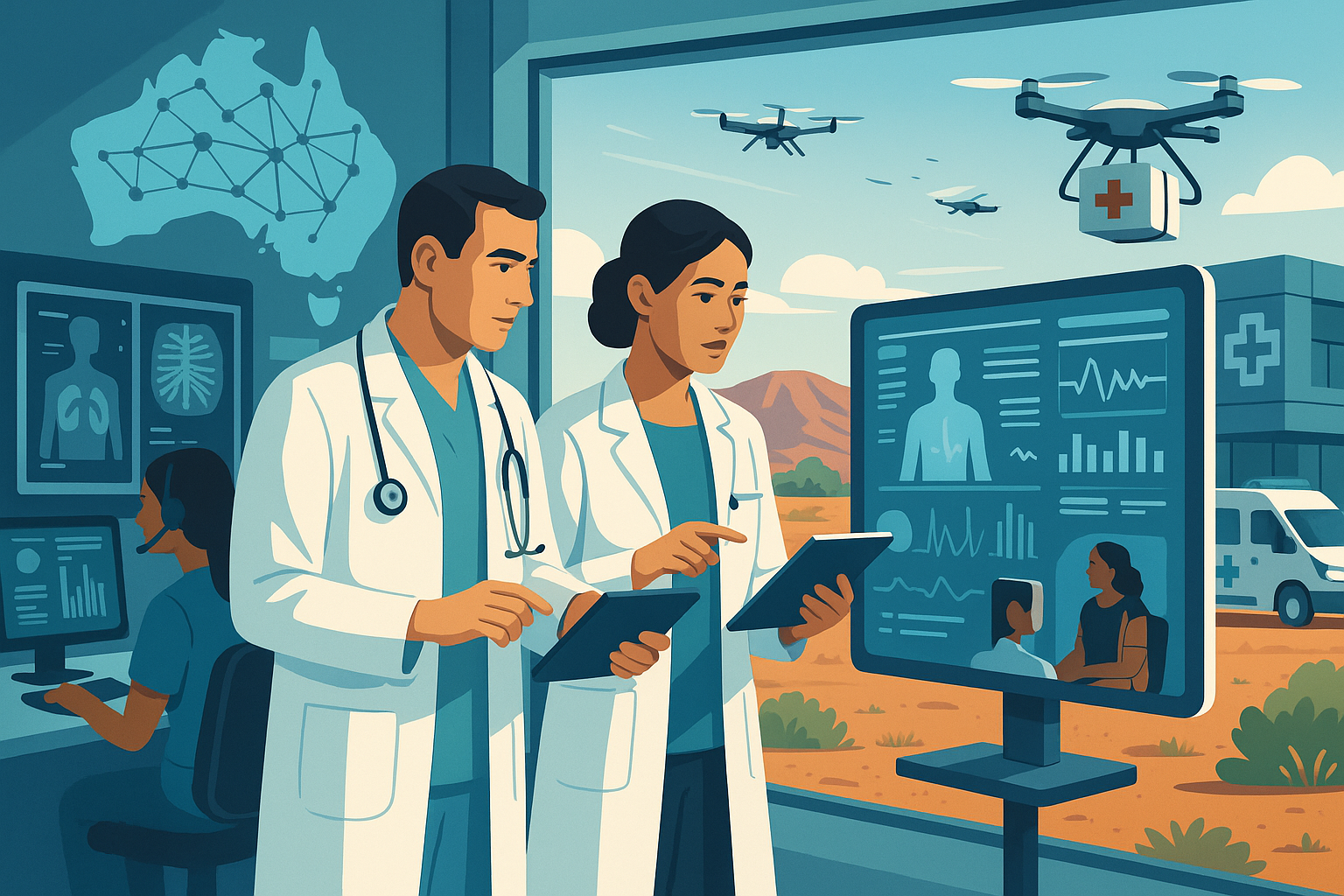
Surveillance is an essential element in preventing the spread of infectious diseases. Australia’s public health authorities operate a detailed surveillance system that tracks the occurrence and distribution of various diseases. This system enables early detection of outbreaks, making it possible to implement targeted responses before diseases spread widely.
The National Notifiable Diseases Surveillance System (NNDSS) is one such tool that collects data on disease occurrences from across the country. By identifying trends and patterns, public health experts can forecast potential risks and activate preventive measures as needed.
The Power of Vaccines in Disease Prevention
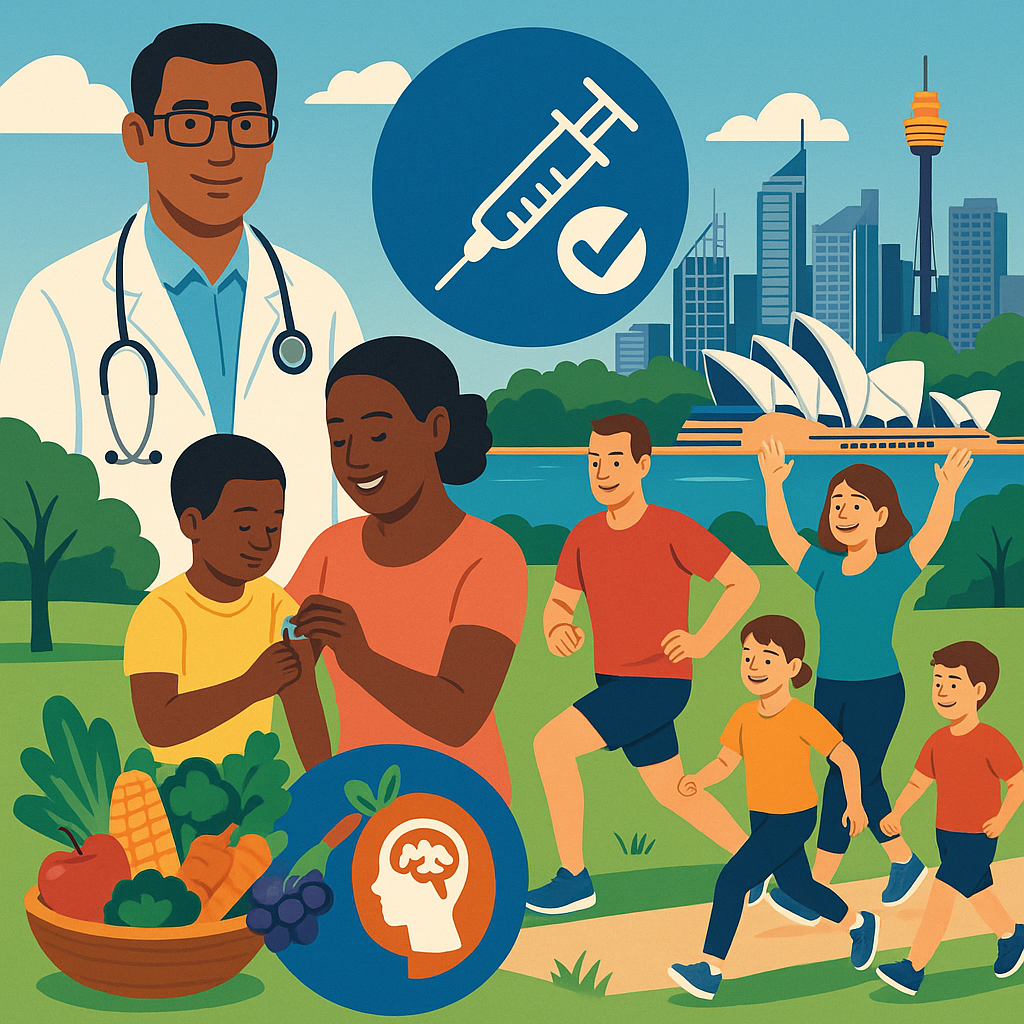
Vaccination is at the heart of Australia’s disease prevention efforts. The National Immunisation Program (NIP) provides free vaccinations to protect against diseases such as influenza, measles, and whooping cough. This program helps build immunity within the population and is a key measure in preventing the spread of infectious diseases.
Australia has also focused on the recent COVID-19 vaccination campaign. After the virus spread across the globe, the Australian government prioritized vaccination for high-risk groups, including the elderly and frontline healthcare workers. These efforts helped to mitigate the spread of the virus and protect the population.
Public Health Campaigns: Educating the Community
Public health education campaigns are central to raising awareness about the importance of hygiene, vaccination, and early detection of illness. The Australian government has run numerous educational initiatives to encourage practices such as hand hygiene, safe food handling, and staying home when sick.
The Australian public responded well to COVID-19 awareness campaigns, which promoted social distancing and mask-wearing. These efforts were instrumental in reducing the spread of the virus within the community and preventing widespread transmission.
Infection Control in Healthcare Settings
Preventing the spread of infectious diseases in healthcare settings is of utmost importance. Hospitals and clinics in Australia adhere to strict infection control protocols to ensure the safety of patients and healthcare workers. These protocols include the sterilization of equipment, the use of protective gear such as masks and gloves, and the isolation of patients with contagious diseases.
Healthcare workers are trained to detect symptoms early and follow rigorous procedures to reduce the risk of cross-contamination. These measures are essential for maintaining the safety of healthcare environments and preventing the spread of diseases.
Global Cooperation and Preparedness
In a globalized world, infectious diseases do not remain confined within national borders. Australia is part of several international health organizations that monitor disease outbreaks globally. The World Health Organization (WHO) and the Pacific Islands Health Organization (PIHOA) are among the key collaborators that help Australia stay informed about emerging health threats.
By cooperating with these organizations, Australia is able to share information and resources, ensuring that the country is prepared for potential outbreaks. Additionally, Australia contributes to global initiatives aimed at improving disease control and vaccination in neighboring countries, especially in the Pacific region.
Building a Stronger Future
Australia’s commitment to public health and disease prevention is evident in its comprehensive approach to infectious disease control. Through ongoing vaccination programs, public health education, early detection systems, and international cooperation, Australia continues to build resilience against the ever-present threat of infectious diseases. This holistic approach not only protects public health but also ensures that the country is better equipped to face future global health challenges.