In Australia, public health policy goes far beyond hospitals and emergency rooms. It aims to shape the conditions in which people live, work, and play so that staying healthy becomes the easiest option. Policymakers recognise that many diseases can be prevented or delayed through early action, and that informed citizens are essential partners in this process. As a result, a substantial portion of national and state health planning is dedicated to awareness, education, and prevention.
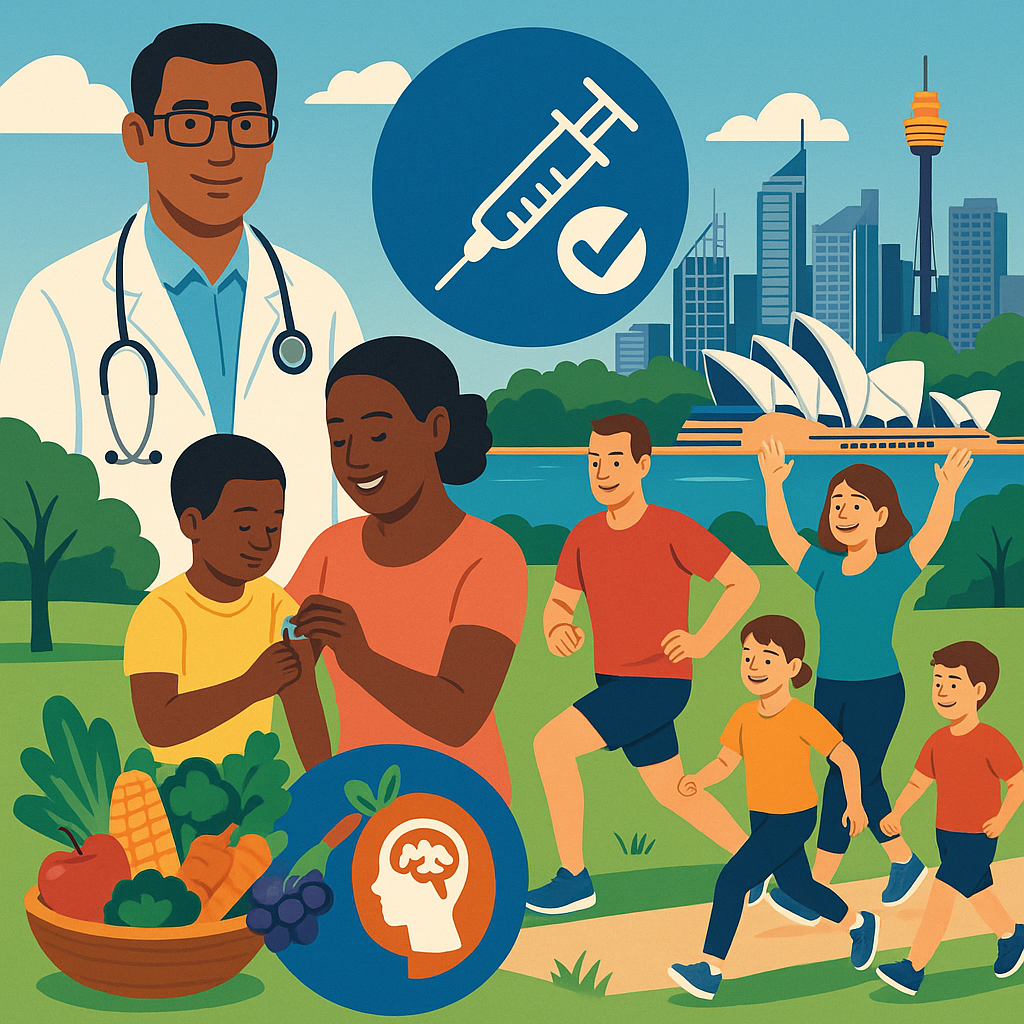
Vaccination policies provide a clear example of this preventive approach. The National Immunisation Program schedules vaccines at specific ages and life stages, from infancy through to older age. School-based vaccination clinics make it simple for adolescents to receive important vaccines, such as HPV, without needing separate appointments. Government-funded campaigns explain how vaccines protect individuals and communities, and encourage parents to keep immunisation records up to date. Over time, these efforts have helped control diseases like measles and whooping cough, though authorities must remain vigilant when hesitancy or complacency threatens coverage levels.
Australia also invests heavily in tackling lifestyle-related risk factors. The country has some of the highest skin cancer rates in the world, largely due to high UV exposure. Campaigns promoting sun-smart behaviour – wearing hats, using sunscreen, seeking shade – are widely recognised and often begin in childhood through school policies and sports clubs. Similar attention is paid to smoking, alcohol, and diet. Graphic warnings on cigarette packs, restrictions on smoking in public spaces, and support services such as Quitline reflect a strong policy commitment to reducing tobacco-related disease.
Raising awareness is not only about mass media campaigns; it also depends on embedding health messages in everyday settings. General practitioners, nurses, and pharmacists play a frontline role in educating patients about screening tests, vaccination, and early warning signs of disease. Programs encourage routine checks for blood pressure, cholesterol, cancer, and diabetes, particularly for people at higher risk. Workplaces host wellness programs, local councils organise walking groups, and community centres hold information sessions about topics like mental health or healthy eating. These local efforts help translate national policy goals into practical support.
Cultural sensitivity is essential in a diverse society like Australia. Public health communication is adapted to reach communities with different languages, traditions, and experiences of the health system. For Aboriginal and Torres Strait Islander peoples, for instance, health services partner with community leaders to design messages and programs that reflect local priorities and holistic views of wellbeing. Materials may use community languages, visual storytelling, or face-to-face yarning circles rather than relying solely on written brochures or online content.
Modern technology adds another layer to Australia’s prevention efforts. Government and health organisations use social media, SMS reminders, and online booking systems to keep people informed about vaccination clinics, screening deadlines, and health alerts. During health emergencies, these channels help deliver rapid, consistent messages about protective actions. Overall, Australian public health policy seeks not only to provide medical services but also to cultivate a population that understands disease risks and feels capable of taking preventive steps.