
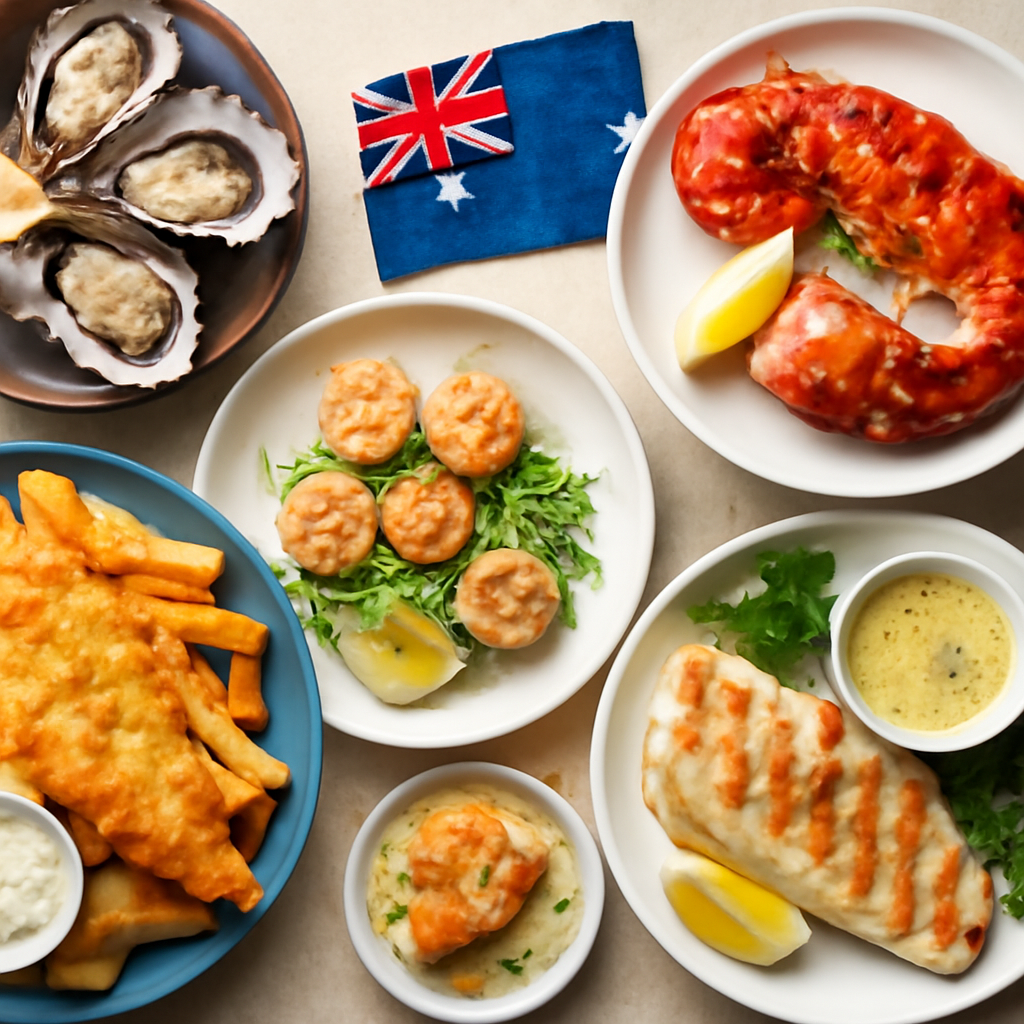
Australia’s culinary identity is intrinsically linked to the sea, with seafood playing an essential role in its gastronomic heritage. Given the country’s vast coastline, it is no surprise that seafood is not only abundant but also varied in its offerings. From the world-famous Sydney rock oysters to the much-loved barramundi, Australia’s seafood culture is both diverse and unique, shaped by the country’s geography, history, and multicultural influences.
The popularity of seafood in Australia can be attributed to the nation’s location. Surrounded by the Indian and Pacific Oceans, Australia is home to a rich marine ecosystem. This provides a constant supply of high-quality seafood that is celebrated in a wide array of dishes. Local favorites include barramundi, flathead, whiting, and various species of prawns, all of which are staples of Australian seafood cuisine.
The sustainability of Australian seafood is another defining feature of its culinary appeal. The Australian seafood industry has long been committed to environmentally responsible practices, such as sustainable fishing methods and conservation initiatives. Many Australian seafood products are certified by organizations like the Marine Stewardship Council, ensuring that they are caught in ways that protect marine ecosystems.
One of the quintessential Australian seafood experiences is enjoying a seafood platter. These platters often include a variety of fresh, local seafood, such as prawns, oysters, mussels, and crabs, served with a variety of condiments like lemon wedges, tartar sauce, and cocktail sauce. Served in coastal restaurants or at outdoor picnics, seafood platters are a celebratory dish that brings together the best of Australia’s oceanic offerings.
Australia’s multicultural society has significantly impacted the way seafood is prepared and enjoyed. Immigrants from all over the world have brought their culinary traditions with them, blending flavors and techniques to create a diverse seafood culture. Thai, Italian, and Japanese influences are particularly evident in Australian seafood dishes. For example, the combination of fresh prawns with chili, coriander, and lime is a hallmark of Australian Asian fusion cuisine, while Mediterranean-style seafood pasta dishes have also become popular.
Another significant trend in Australian seafood is the rise of indigenous ingredients in modern cooking. Native herbs and spices such as finger lime, wattleseed, and saltbush are increasingly used in seafood dishes, adding unique flavors that enhance the natural qualities of the ocean’s bounty. This incorporation of indigenous ingredients into contemporary seafood dishes showcases the country’s evolving culinary scene and respect for its cultural heritage.
The connection between Australians and the sea goes beyond food; it is a part of the country’s lifestyle. Seafood is often associated with leisurely gatherings by the water, whether it’s a beach barbecue or a formal dinner at a waterfront restaurant. This sense of connection to nature and the environment is a key reason why seafood remains so integral to Australian culinary traditions.
Australia’s seafood culture is diverse, sustainable, and deeply intertwined with its geography and history. It is a reflection of the country’s unique relationship with the ocean and its commitment to preserving marine ecosystems for future generations to enjoy.