The Little Chook Shop That Refused to Stay Little
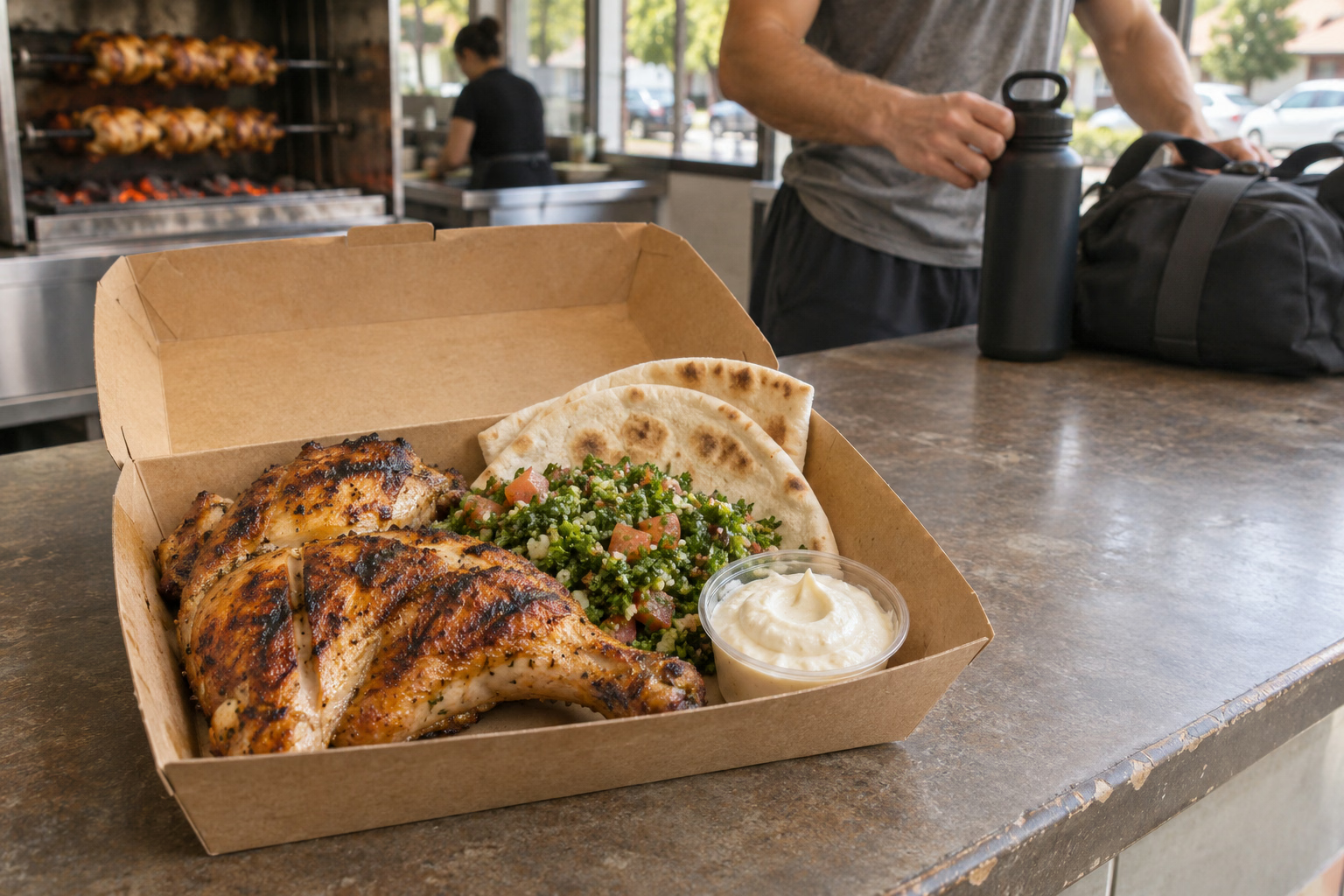
Chargrill Charlie’s has never tried to be a national fast-food chain. Founded in 1989 by South African immigrants Maon and Marilyn Sher, the Sydney-born business built its reputation on a slightly more polished take on the suburban chicken shop: family meals, salads, roasted vegetables and a sit-down feel that sat a notch above the fluorescent-lit takeaway counter. For years, that positioning allowed it to coexist quietly alongside El Jannah, Red Rooster and the fried-chicken giants.
In 2026, coexistence is giving way to competition. Industry consultancy Titanium Food identified “the chicken wars” as one of the defining themes of the Australian food-and-beverage market, pointing to growing appetite for charcoal chicken concepts and their expansion potential across the country. The sale of a Melbourne Chargrill Charlie’s site in Sunbury — listed with price guidance of A$850,000 to A$875,000 — became a symbolic flashpoint: the neighbourhood chicken shop is now a commercial asset class.
Premium Without the Pretension
Chargrill Charlie’s advantage is not scale. It is the perception that the food is a step above the drive-thru without crossing into restaurant territory. A family can eat for around A$20 to A$25 with half a chicken, rice, noodles and salad — a price point that reads as value relative to casual dining but premium relative to a burger chain. That positioning has allowed the brand to avoid competing directly on the promotional intensity that defines the fried-chicken segment.
The premiumisation trend is visible beyond Chargrill Charlie’s. In Melbourne, Kokoras in Yarraville has built a following around charcoal chicken with a more considered, ingredient-led identity. In Sydney, newcomer Tay has entered the conversation alongside El Jannah, signalling that the category can support multiple aspirational interpretations. At the fine-dining end, Qantas Travel Insider’s 2026 survey of Australia’s best chicken dishes found charcoal chook and well-raised chicken appearing on sit-down restaurant menus in ways that would have seemed improbable a decade ago.
The Supply-Chain Differentiator
The competition is also being fought upstream. Craveable Brands — the group behind Chargrill Charlie’s, Red Rooster, Oporto and Chicken Treat — has faced profitability pressure even as consumer demand for affordable chicken has grown, according to company filings reported in 2026. That tension between volume growth and margin compression is the structural challenge facing every operator in the category.
El Jannah’s response has been to make supply a brand asset: no frozen or processed chicken, a claim designed to resonate with customers who are increasingly attentive to what “fresh” actually means. Chargrill Charlie’s, with its longer history and more diversified menu, leans instead on consistency and community familiarity. Neither approach is guaranteed to win. But the fact that both are viable is a sign of a category that has rediscovered its competitive energy.
The revival, in other words, is not a single-brand story. It is a market-wide revaluation of what a chicken shop can be — and who it can serve.