A Market Hiding in Plain Sight
For years, African food in Australia was treated as a community secret. It existed in small grocery stores, weekend markets, and family celebrations. But the business potential was always there. By 2026, that potential is being realized. African restaurants, food trucks, and catering companies are appearing in every major city. They are not just cultural projects; they are commercial ventures with payroll, leases, and growth plans. The African cuisine boom is part of a wider diversification of Australian hospitality. Diners are bored with the same pasta and burgers. They want new flavors, new stories, and new experiences. African food delivers all three. According to Restaurant & Catering Australia, ethnic and niche restaurants have shown resilient growth even as overall dining confidence fluctuates. Restaurant & Catering Australia
The Pop-Up as a Business Model
Pop-ups are often described as creative experiments, but they are also financial tools. A pop-up requires low capital, flexible staffing, and short leases. It allows an entrepreneur to test a location, a menu, and a price point without risking everything. Many African food businesses in Australia start this way. They rent a pub kitchen on a quiet night. They set up a stall at a market. They cater a private event. Each pop-up generates cash flow and customer data. That data—what sells, what doesn’t, who returns—is invaluable when applying for a bank loan or negotiating a lease. Pop-ups also build a mailing list and social media following. These assets can be converted into a permanent restaurant’s first loyal customers.
Food Trucks and Mobile Kitchens
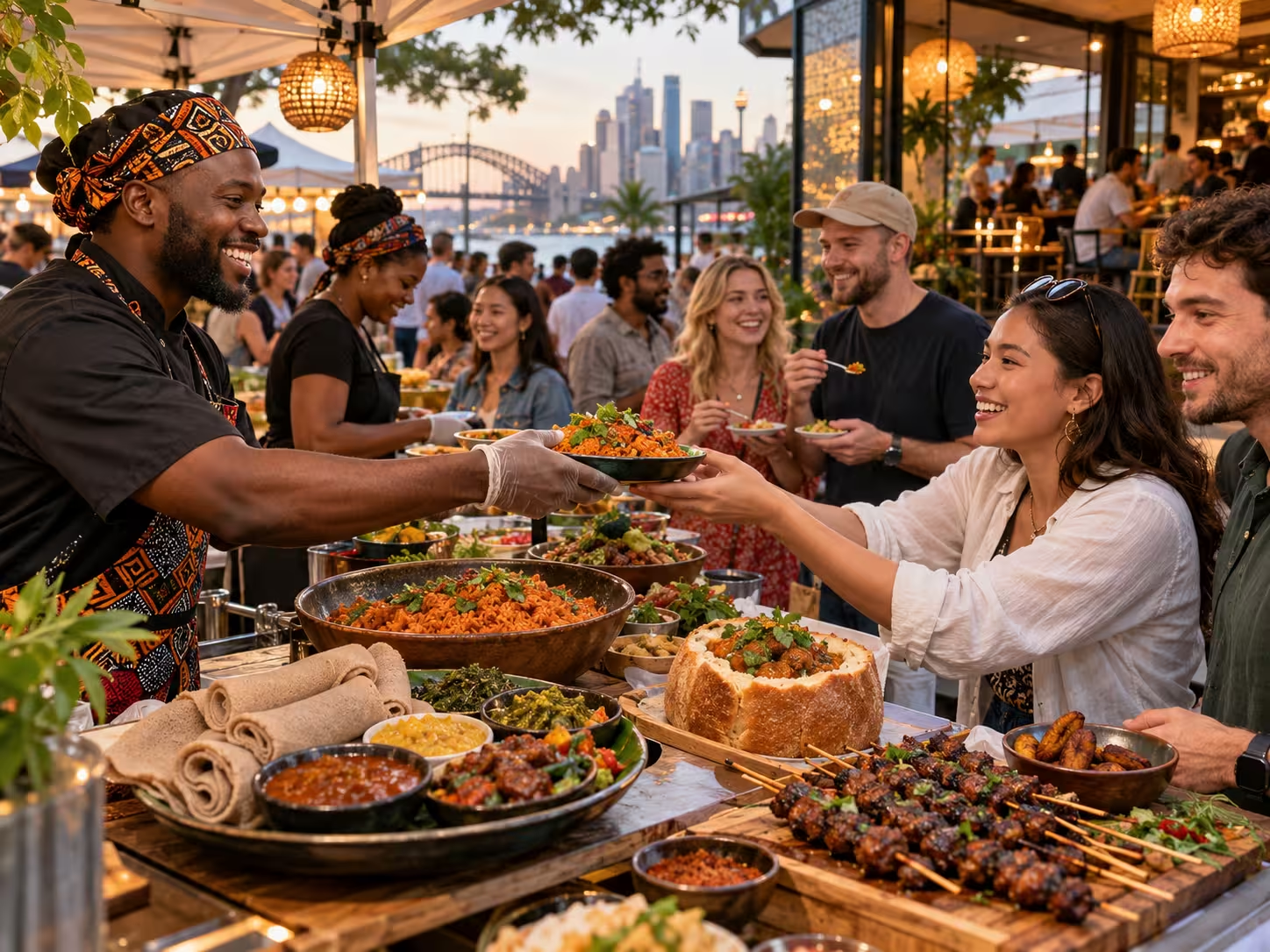
Food trucks offer another low-risk entry point. They are mobile, which means they can follow foot traffic and events. They require less staff than a restaurant and can operate at festivals, office parks, and night markets. For African cuisine, food trucks have been particularly effective at introducing unfamiliar dishes. A customer might try suya skewers or bunny chow for the first time from a truck. If they enjoy it, they may seek out a full restaurant later. Some operators run both: a truck for events and a small restaurant for regulars. This hybrid model spreads risk and maximizes revenue. Licensing and council regulations vary by state, but the overall trend is toward greater acceptance of mobile food.
Supply Chain and Cost Pressures
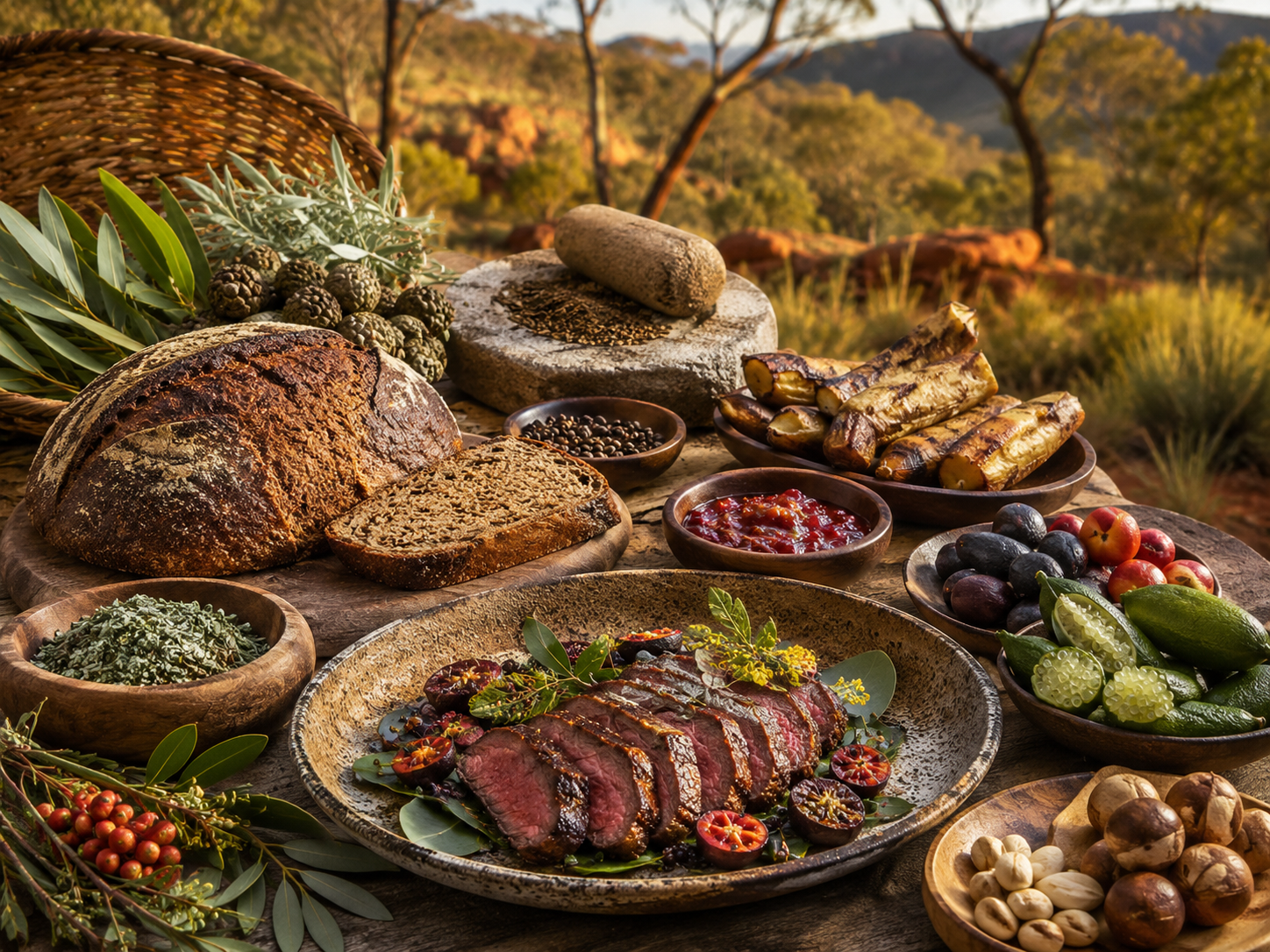
Every food business faces supply chain challenges. African cuisine has specific needs: teff, cassava, plantain, palm oil, dried fish, and specialty spices. These ingredients are often imported or sourced from African grocery stores. Import costs, shipping delays, and currency fluctuations can affect margins. Savvy operators respond by buying in bulk, sharing supply chains with other African businesses, or growing herbs locally. Some chefs simplify their menus to reduce the number of specialty ingredients. Others highlight locally available produce, such as kangaroo, macadamia, and bush tomatoes, to reduce reliance on imports. These adaptations make the business more resilient and more Australian.
Attracting Investment and Partnerships
As African cuisine gains visibility, investors are paying attention. Venture capital and angel investors have begun looking at ethnic food brands with strong social media followings. Banks are more willing to lend to proven pop-up operators. Landlords in gentrifying suburbs see African restaurants as anchors that draw foot traffic. Partnerships with breweries, wineries, and food delivery platforms also provide growth capital. However, many African-Australian entrepreneurs prefer to grow slowly and retain ownership. They prioritize community employment and cultural integrity over rapid expansion. This patient approach may limit short-term scale, but it builds long-term brand loyalty.
The Road to Sustainability
The African cuisine boom in Australia is not a fleeting trend. It is supported by demographic growth, cultural curiosity, and a new generation of business-savvy chefs. The challenge is to build sustainable models that survive economic downturns. That means strong financial controls, trained staff, and diversified revenue streams. It also means staying connected to community roots while appealing to mainstream diners. Businesses that manage this balance will define the next decade of Australian hospitality.