
When an AI Avatar Became ‘Indigenous’
In 2025 and 2026, an AI-generated Aboriginal avatar named ‘Jarren’ amassed nearly 200,000 followers across TikTok, Instagram, and Facebook under the series title ‘Bush Legend: Wildlife Stories and Facts’. The creator was a white South African man named Keagan John Mason. The backlash was swift and sharp — accusations of “digital blackface” and cultural misappropriation dominated the discourse.
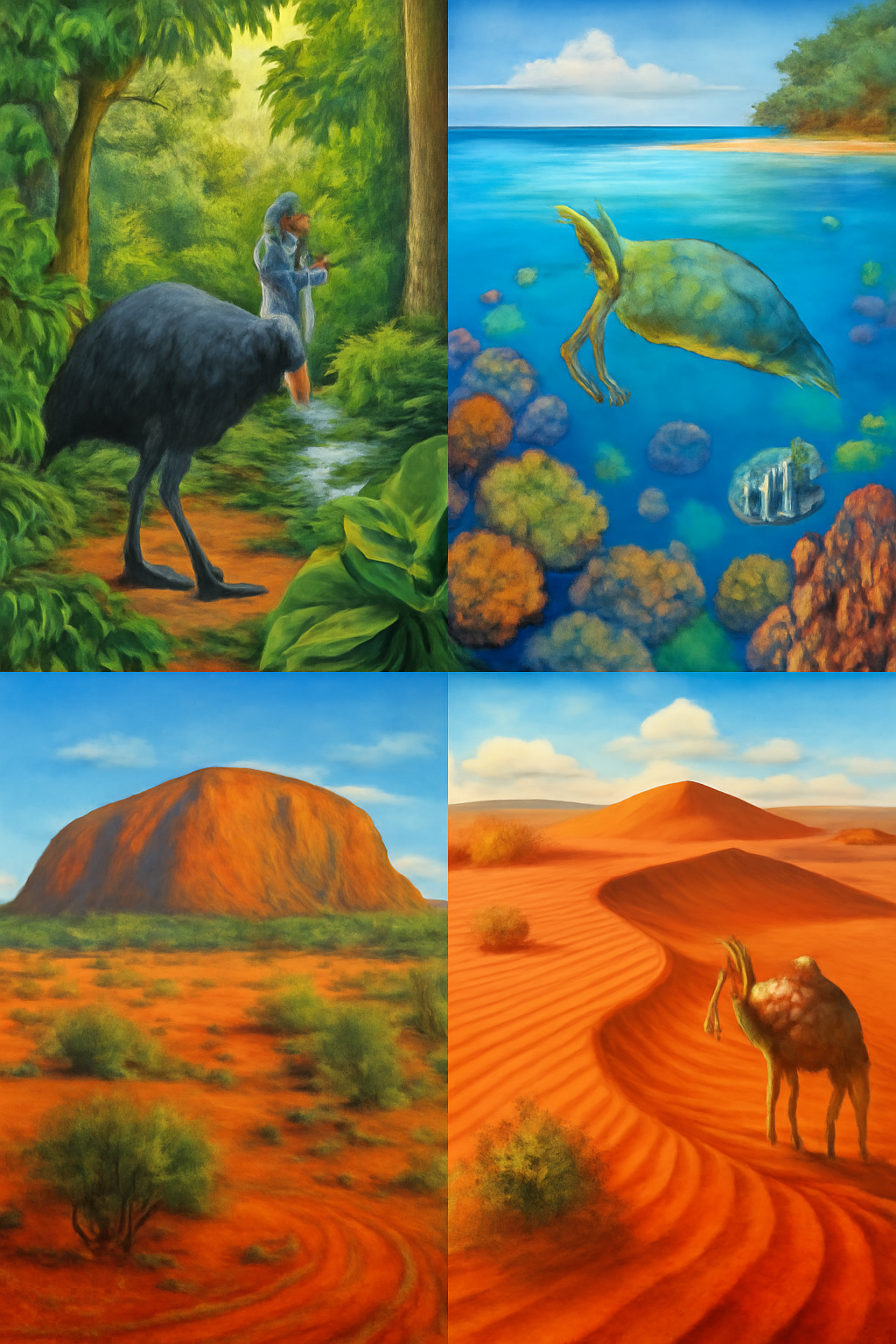
This wasn’t an isolated incident. AI-generated images purporting to depict “Indigenous Australians” have circulated widely, often featuring body markings that are culturally meaningless.
Tourism NT’s Counterpunch: ‘Real People, Real Territory’
In response, Tourism NT partnered with creative agency Going North to produce ‘Real People, Real Territory’ — a video-led content series that puts Aboriginal people and stories at the forefront, unscripted and unpolished.
One standout episode features Dennis, a guide at Kakadu National Park who leads iconic early-morning and sunset river cruises on Yellow Water Billabong. He shares deep cultural heritage and teaches visitors about the region’s diverse birds, plants, and apex predators. As Going North’s director Nina Fitzgerald put it: “He’s in Kakadu National Park, he talks, he’s himself, we’re not scripting him, he’s mumbling in half of that, he’s hard to understand, and it was like it’s hilarious going to work with these operators”.
The Business Case for Authenticity
This isn’t just an ethical argument — it’s a commercial one. Tourism NT’s consumer marketing manager Emma Fraser explained the strategy: “In a world that’s flooded with polished, AI-assisted, highly scripted content, what we’ve found in our marketing is that people are really looking for things that they feel are real, things that they feel are human and really authentic”.
The data supports this. Indigenous food and cuisine was the most sought-after cultural tourism experience for international visitors in 2026, attracting interest from 49% of travellers, with art demonstrations (40%) and cultural hikes (37%) also high in demand.
The Stakes: Culture Is Not Content
As AI tools become cheaper and more sophisticated, the risk of cultural appropriation in tourism marketing will only intensify. Tourism NT’s approach offers a template: invest in real people, real places, and real stories. The alternative — a tourism industry saturated with synthetic “Indigenous” experiences — threatens not only cultural integrity but the economic livelihoods of the 150+ Aboriginal tourism businesses across Australia.