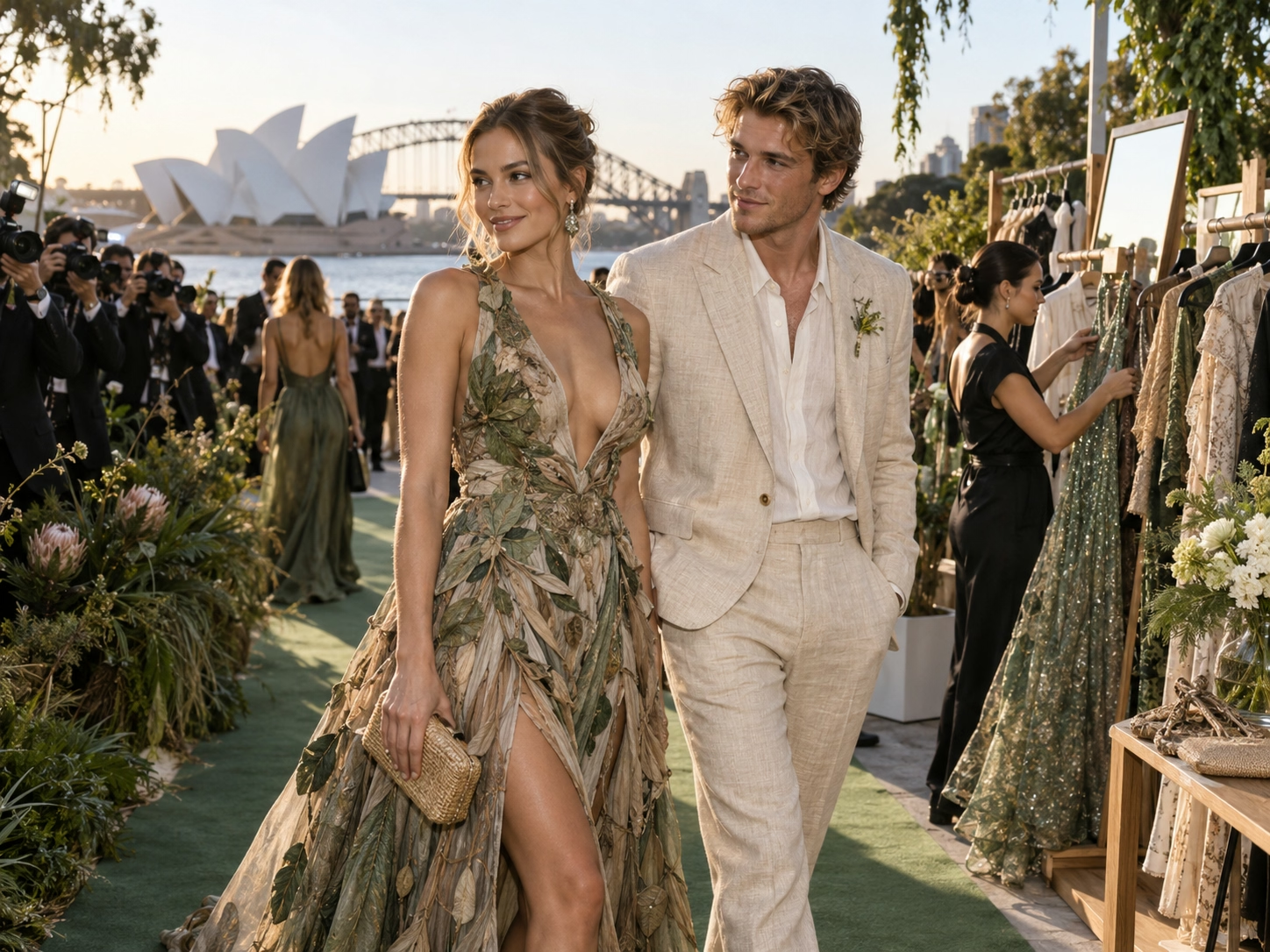
When an Australian celebrity steps onto the red carpet at the AACTA Awards or the Melbourne Cup Carnival, the photograph is the result of weeks of negotiation, strategic planning, and high-stakes business deals. The red carpet is no longer just a parade of glamour; it is a high-performance marketing machine where the worlds of entertainment and commerce collide with calculated precision.
The Anatomy of a Red Carpet Deal
The process of dressing a celebrity is a complex chess game. Fashion houses and publicists work months in advance to secure commitments from actors and musicians who are peaking in cultural relevance. For a major Hollywood event involving an Australian star, the competition among Aussie designers to “claim” the star is intense.
The strategy involves more than just sending a dress. It involves a financial arrangement or a long-term “brand ambassadorship” deal. The goal is to create a viral moment that resonates across social media. In the Australian context, events like the TV Week Logie Awards serve as critical battlegrounds. A standout look from a nominated actress can catapult a local brand into international consciousness overnight. The use of data analytics has transformed this practice; stylists now use engagement metrics to predict which silhouettes or colors will generate the highest search volume on Google Images and Pinterest.
The “Halston Effect” and Local Labels
The relationship between stylists and designers is often symbiotic but tense. Stylists require unique pieces that photograph well under harsh flash photography, while designers require the validation of a major star to elevate their brand equity. This dynamic has given rise to the “fashion loan” economy, where high-value garments are exchanged for exposure.
However, the most successful partnerships go deeper. When a stylist dresses a star in an emerging Australian designer, it signals a vote of confidence that can secure venture capital funding and retail partnerships. Industry insiders note that during the 2026 awards season, there has been a visible shift towards championing independent, Indigenous-owned fashion labels on the red carpet. This is not just altruism; it is a savvy marketing play that generates strong PR narratives and aligns the celebrity with progressive, ethical values that appeal to modern audiences.
The Impact on Fast Fashion and Retail
The red carpet’s influence is most powerfully felt in the fast-fashion sector. Although high-end red carpet looks are couture, the “trickle-down” effect is instantaneous. Retailers employ AI-driven software to scan red carpet images, identify trends, and begin production on affordable alternatives within days.
This rapid cycle has shortened the lifespan of trends but increased the urgency of red carpet marketing. For Australian retailers like The Iconic and Myer, celebrity endorsements during key entertainment events drive massive spikes in traffic. The visual of an Australian star looking impeccable at a global premiere serves as a powerful form of social proof, convincing consumers that Australian fashion is on par with the luxury houses of Europe. It is a high-risk, high-reward ecosystem where a single fashion misstep can lead to brutal online mockery, while a success story can define a brand for a decade.