Sydney’s Fashion Influence Comes From More Than Designers
A successful fashion city needs more than talented labels.
It requires retail infrastructure, creative communities, customers, hospitality, media, transport and public spaces where style can be seen.
Sydney brings these elements together in a way that makes fashion part of its broader urban economy.
In 2026, the city’s relevance comes from the interaction between global brands, Australian designers, independent stores and consumers who move easily between digital and physical shopping.
For publishers and industry observers tracking consumer activity, the Australian Bureau of Statistics provides official retail trade releases, including data categories relevant to the wider retail market. The latest official releases are available through ABS Retail Trade, Australia.
Physical Stores Need to Offer More Than Products
Online shopping has made basic product access easy.
A customer can compare prices, read reviews and browse hundreds of products without entering a store. This has changed the purpose of physical fashion retail.
Sydney stores increasingly need to provide discovery, service and atmosphere.
A well-designed store can function as a brand experience. Staff knowledge, styling advice, exclusive products and events can make the visit valuable even when a shopper has already researched the item online.
This is particularly relevant in premium retail, where emotional experience often influences purchasing decisions.
Different Districts Serve Different Fashion Audiences
The CBD Connects Sydney With Global Luxury
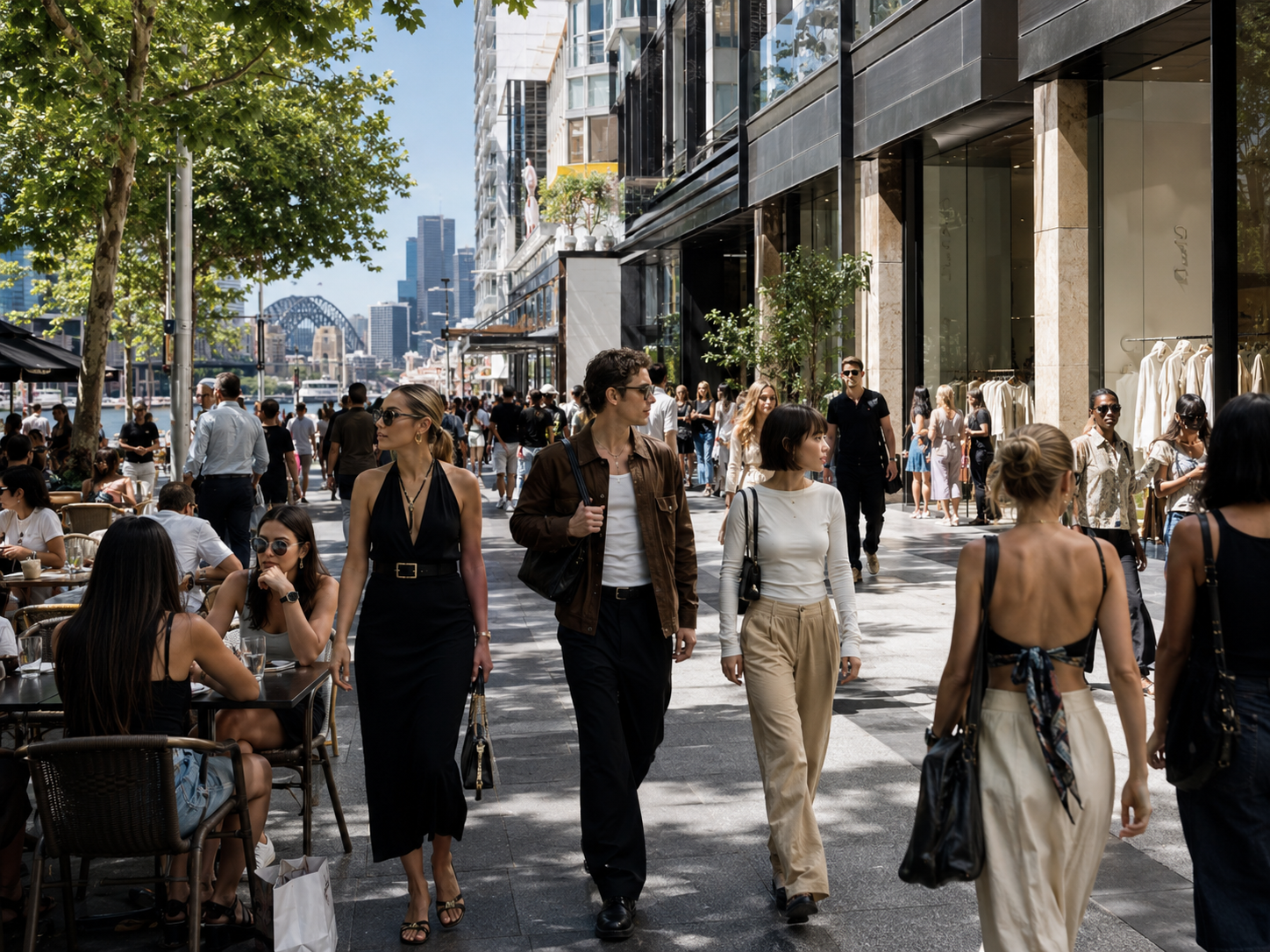
The central city remains important for international labels, flagship stores and premium customers.
Its fashion identity reflects Sydney’s position as a major business and tourism centre.
Inner-City Areas Support Creative Independence
Neighbourhoods such as Paddington, Surry Hills and Newtown provide a different type of value.
Independent boutiques, vintage retailers and smaller lifestyle businesses create spaces where shoppers can discover products outside the mainstream.
The contrast between these districts is a strength. Sydney does not require every fashion area to serve the same customer.
Technology Is Making Shopping More Flexible
The separation between online and offline retail is becoming less useful.
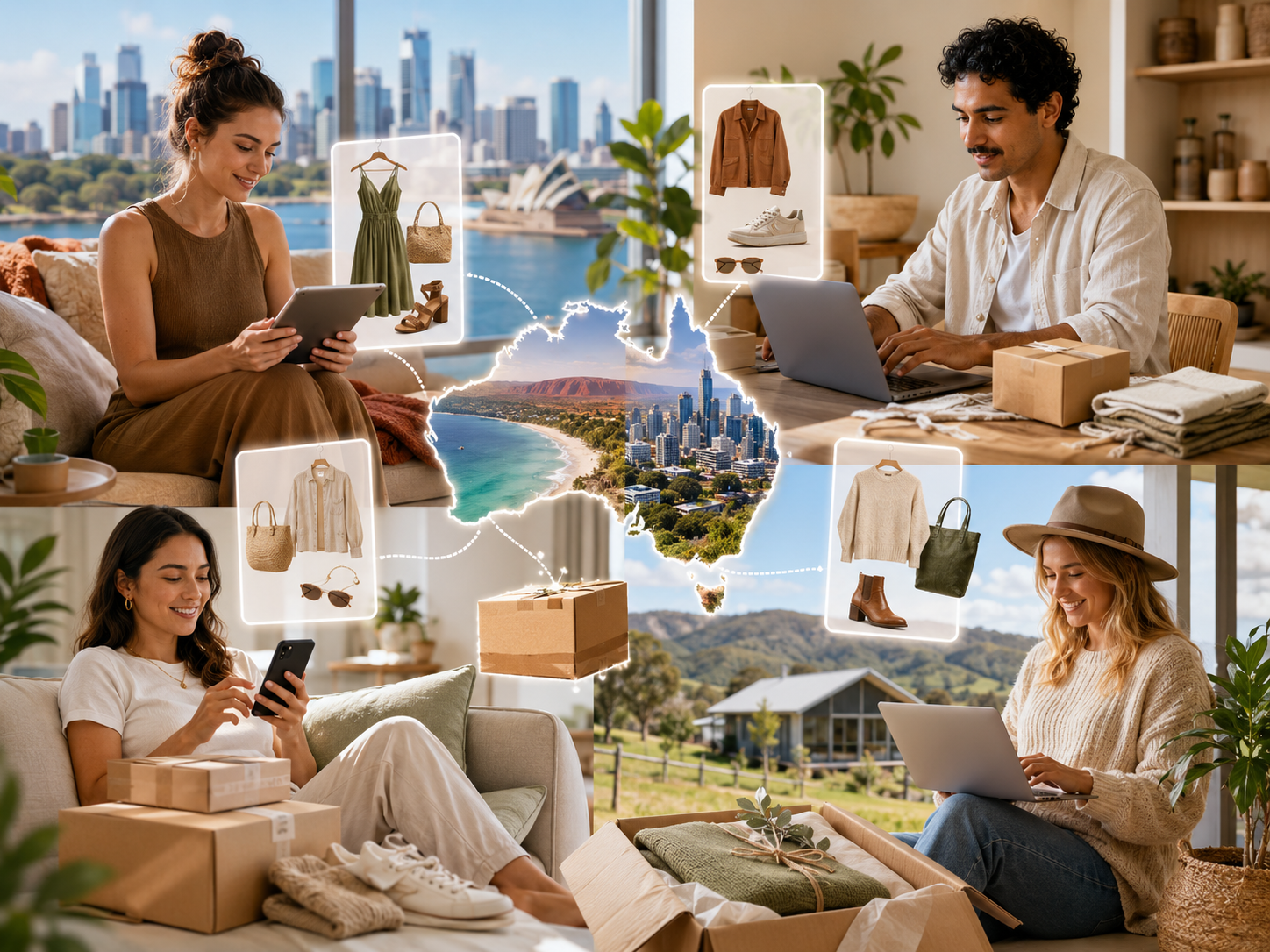
Consumers may discover a product through social media, research it on a website, try it in a physical store and complete the purchase later from a mobile device.
For fashion businesses, this means every contact point matters.
A confusing website can damage an excellent store experience. Poor customer service can weaken a strong social media campaign. In contrast, businesses that connect content, inventory, service and delivery can create a smoother relationship with customers.
Street Culture Keeps the Fashion System Moving
Luxury fashion attracts attention, but street-level experimentation gives a city energy.
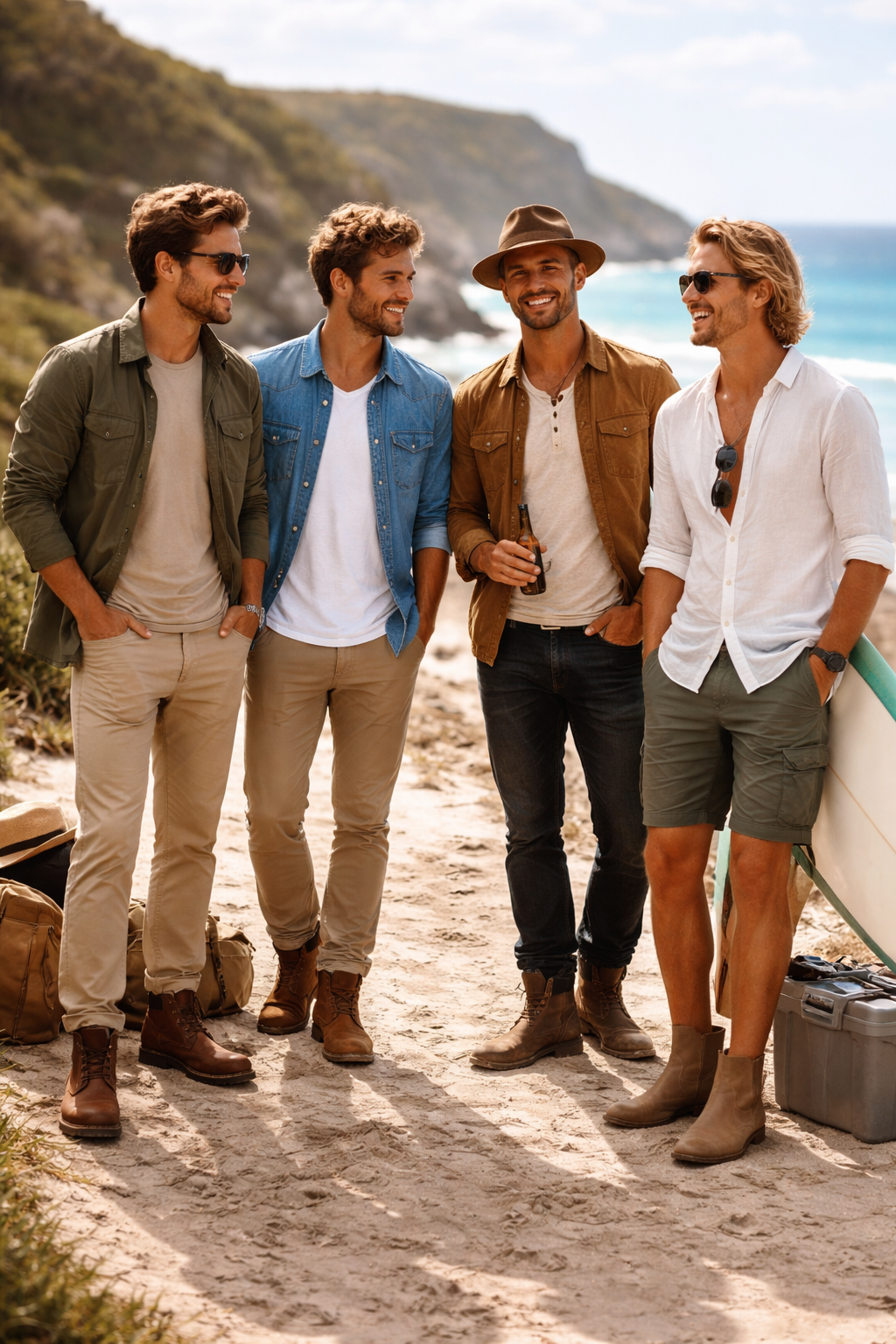
Sydney’s students, musicians, hospitality workers and creative professionals continually reinterpret clothing. They combine sportswear, workwear, vintage products and designer pieces in ways that brands cannot fully control.
This is where trends become real.
The city’s multicultural population also expands the range of references visible in everyday clothing. Global ideas are adapted rather than simply copied.
The Next Stage of Sydney Fashion Is About Connection
Sydney’s biggest advantage is the number of different industries that can support fashion.
A designer can collaborate with a musician. A boutique can build an event with a restaurant. A fashion label can connect a product launch with art, travel or wellness.
These relationships make fashion more relevant to everyday urban life.
In 2026, Sydney’s position as a fashion centre will depend on how effectively businesses connect creativity with commerce and global awareness with local identity.
The city already has the ingredients: influential neighbourhoods, a diverse population, premium retail, independent design and a lifestyle recognised around the world.
The strongest opportunity is to bring those elements together into a clearer story about what modern Australian urban fashion represents.