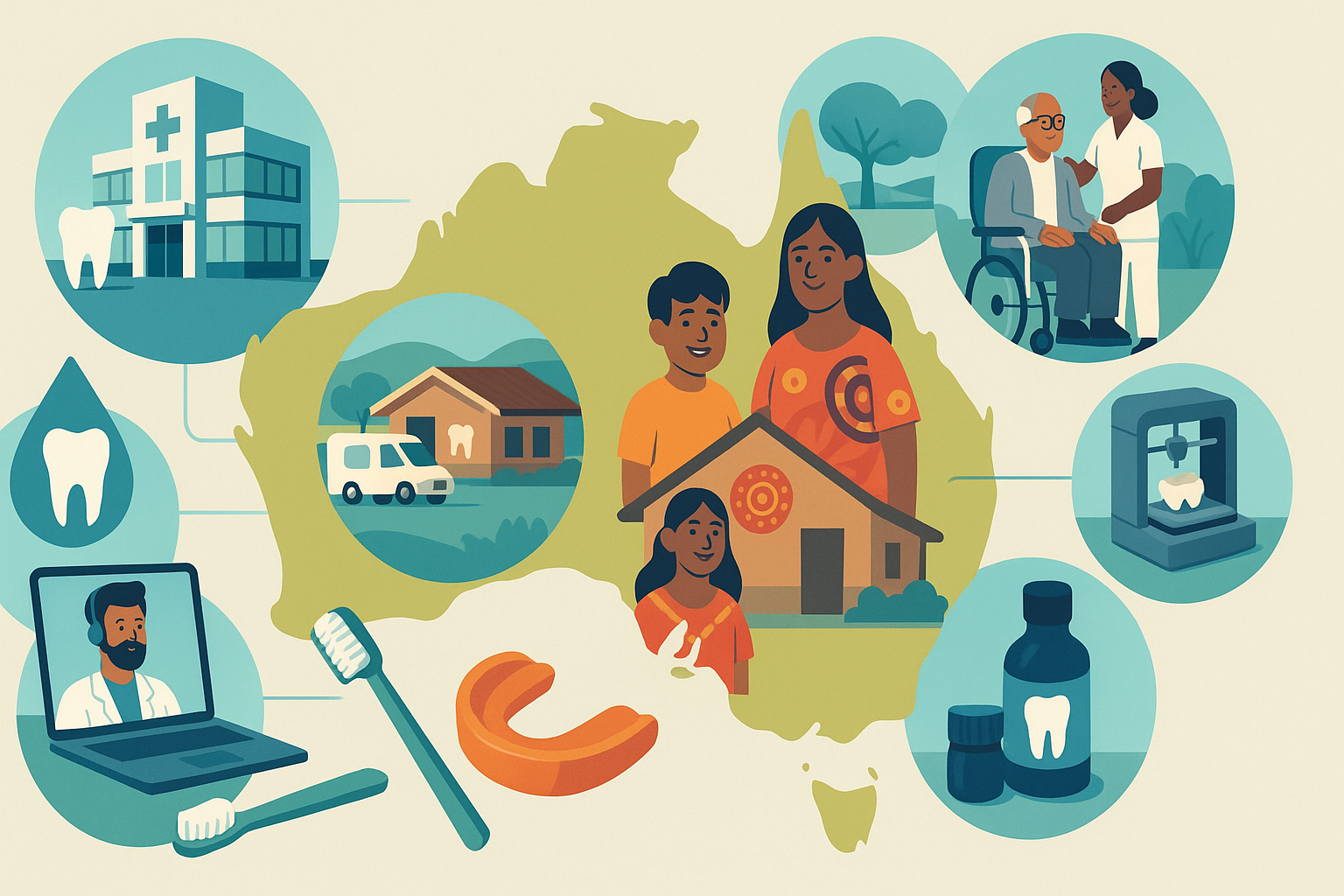

Health awareness programs in Australia are designed to help individuals and communities make informed decisions about their wellbeing. These programs cover many topics, including chronic disease prevention, vaccination, mental health, nutrition, physical activity, smoking, alcohol use, and sun protection. Their main purpose is to turn health knowledge into practical action that people can apply in daily life.
Australia’s approach to health education is closely connected with prevention. Chronic diseases such as diabetes, heart disease, obesity, and some cancers are influenced by lifestyle, environment, and access to care. Public campaigns therefore encourage people to move more, eat healthier food, reduce sugary drinks, avoid tobacco, limit alcohol, and visit health professionals for regular checks. By focusing on prevention, health education can reduce pressure on hospitals and improve quality of life.
Tobacco education remains one of the most visible examples of public health promotion in Australia. Anti-smoking campaigns explain the damage caused by tobacco, including cancer, stroke, heart disease, and lung conditions. They also provide pathways for people who want to quit. Support services such as Quitline offer counseling and practical guidance, making the message more useful than a simple warning. This combination of information and assistance is an important feature of effective health education.
Sun protection is another major topic because Australia’s climate and outdoor lifestyle increase exposure to harmful ultraviolet rays. Public education programs teach people to protect their skin by applying sunscreen, wearing suitable clothing, using hats and sunglasses, and staying in the shade. Children often learn these habits at school, while adults encounter the same messages in workplaces, sports clubs, beaches, and public spaces. These repeated reminders help build long-term protective behaviour.
Vaccination education supports public understanding of disease prevention. Australian immunisation programs provide information about vaccines for infants, children, teenagers, pregnant women, older adults, and people with higher health risks. Clear explanations help families understand why vaccines are recommended and how they protect the wider population. Good communication is especially important when people feel uncertain or are exposed to misleading claims on social media.
Mental health education is also a significant part of Australia’s public health efforts. Campaigns encourage people to identify symptoms of stress, depression, anxiety, and emotional crisis. They also promote help-seeking through general practitioners, counseling services, crisis lines, and youth mental health organizations. By speaking openly about mental health, these programs reduce shame and make it easier for people to ask for support.
Because Australia is multicultural, health education must be delivered in ways that different communities can understand and trust. Many programs use translated materials, interpreters, community radio, local events, and partnerships with cultural organizations. For Aboriginal and Torres Strait Islander communities, health messages are most effective when they are developed with community involvement and respect for cultural identity. This approach recognizes that health is connected to family, land, history, and community wellbeing.
Schools and workplaces are also important settings for health education. Schools can teach children about nutrition, hygiene, physical activity, emotional resilience, and respectful relationships. Workplaces can promote mental health, injury prevention, healthy eating, and regular health checks. When health education appears in everyday environments, it becomes easier for people to absorb and practice.
Australian health awareness programs show that education is more than distributing information. Successful programs must be practical, repeated, culturally appropriate, and connected to real services. When people know what risks exist, how to prevent them, and where to get help, public awareness becomes a foundation for a healthier society.