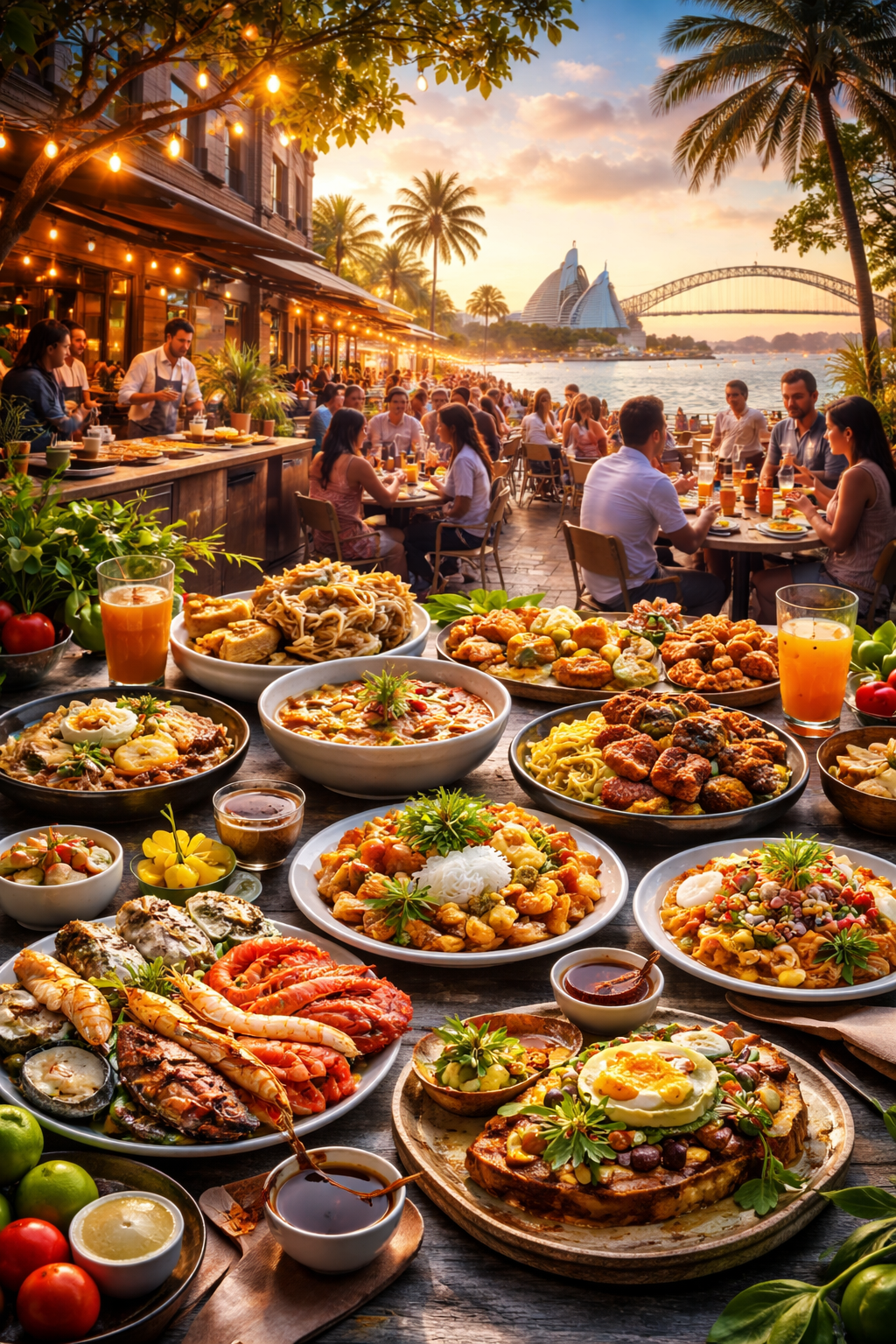
Sydney’s culinary world is built on contrast and harmony at the same time. It is a place where casual beachside cafés exist alongside refined tasting-menu restaurants, and where deeply traditional family kitchens share the city with highly experimental chefs. This balance is what gives Sydney such a strong gastronomic identity. The city does not choose between heritage and progress; it allows both to shape the way people cook, eat, and think about food.
A major reason for Sydney’s culinary richness is its global population. Communities from across Europe, the Middle East, and Asia have had a lasting influence on how the city eats. These communities brought not only dishes but also entire food philosophies: the importance of communal meals, respect for spice layering, slow cooking techniques, fermentation, bread-making, grilling, seafood preparation, and regional specialization. Over time, these traditions became embedded in the city’s daily rhythm. Food in Sydney is therefore not simply multicultural in appearance; it is multicultural in structure, memory, and practice.
This depth of influence has created a city where authenticity and adaptation exist side by side. Some diners seek out recipes that remain close to their cultural roots, prepared with methods passed down through generations. Others are drawn to restaurants that use those same traditions as inspiration for something new. Sydney supports both. It has room for a neighborhood shop serving classic handmade pastries and for a chef-driven restaurant reinventing familiar flavors through modern plating and local produce. This flexibility is one of the city’s greatest culinary strengths.
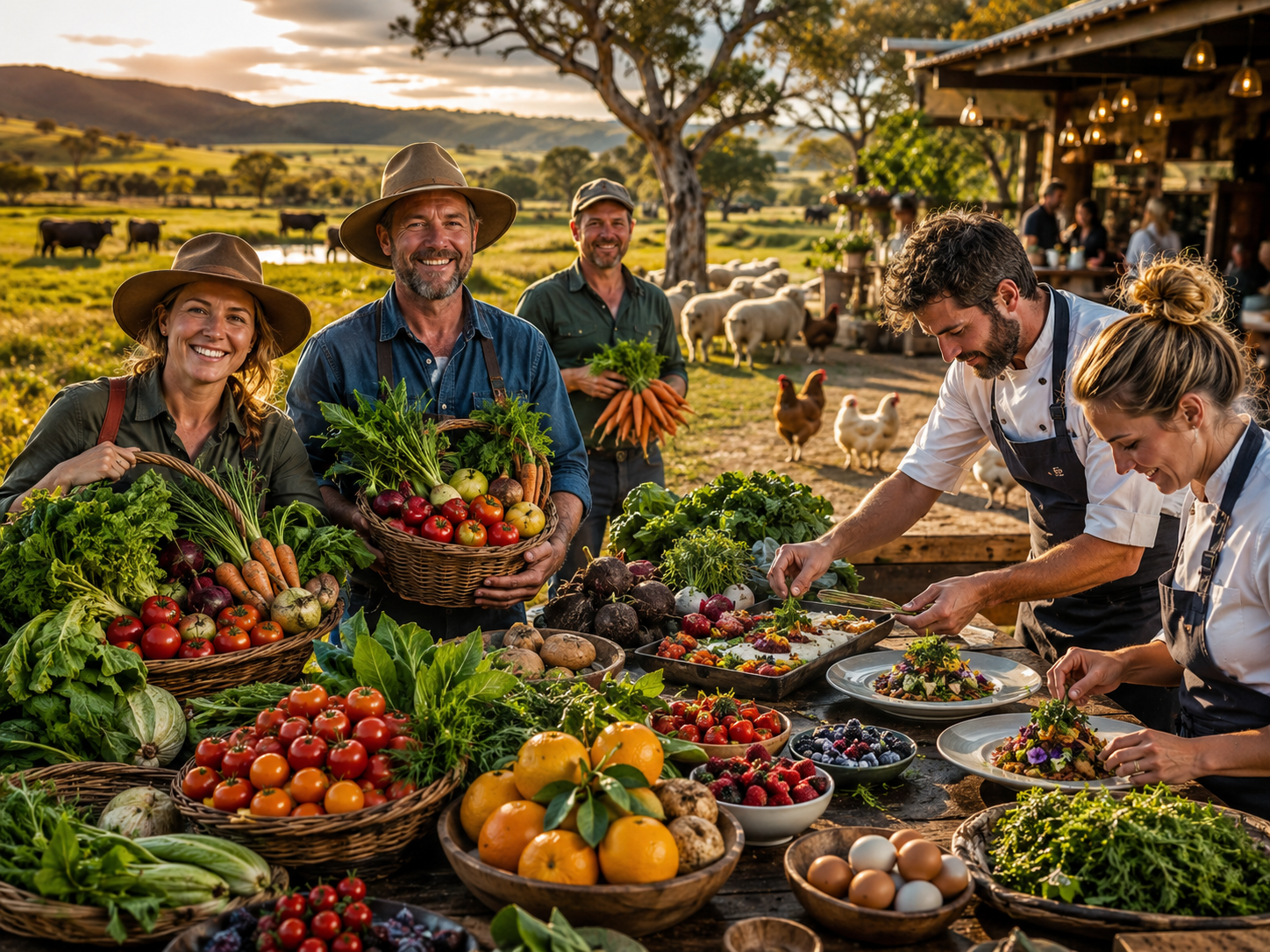
Place also matters. Sydney’s geography contributes significantly to its food identity. A harbor city with access to exceptional seafood, it naturally developed a strong appreciation for freshness and seasonality. Fish, shellfish, and oysters are central to many menus, but the local emphasis on fresh ingredients extends to vegetables, herbs, fruit, meat, and dairy as well. Farmers’ markets, specialty grocers, and produce-focused restaurants help reinforce the idea that quality begins with sourcing. In Sydney, excellent cooking often starts with restraint—allowing ingredients to speak clearly rather than masking them.
The city’s embrace of native Australian ingredients has added another layer of distinction. Chefs increasingly incorporate elements such as lemon myrtle, wattleseed, finger lime, Davidson plum, and saltbush into both savory and sweet dishes. These ingredients bring flavors that are uniquely tied to the Australian landscape, helping Sydney move beyond imitation of overseas trends. By combining indigenous ingredients with international techniques, the city has been able to develop a more confident and localized culinary language.
Sydney’s café culture further illustrates how seriously the city takes everyday dining. Coffee is crafted with precision, and brunch is approached with the same care many cities reserve for dinner. The popularity of cafés has encouraged attention to detail in even the most familiar dishes. Texture, freshness, presentation, and balance are all considered important, whether the meal is simple toast and eggs or a more elaborate plate built around grains, herbs, pickles, and house-made sauces.
Another notable trend is the rise of conscious dining. More businesses are focusing on sustainability, low-waste kitchen systems, ethical producers, and plant-based menu development. This reflects a broader shift in consumer expectations. Sydney diners increasingly want meals that are not only enjoyable, but also thoughtful in environmental and social terms.
What makes Sydney especially interesting is that its culinary life is never static. New influences continue to arrive, trends are constantly tested, and chefs remain eager to experiment. Yet beneath all that change is a stable foundation: respect for diversity, love of quality ingredients, and enthusiasm for sharing food across cultures. That combination gives Sydney a food scene that feels both rooted and forward-looking.