
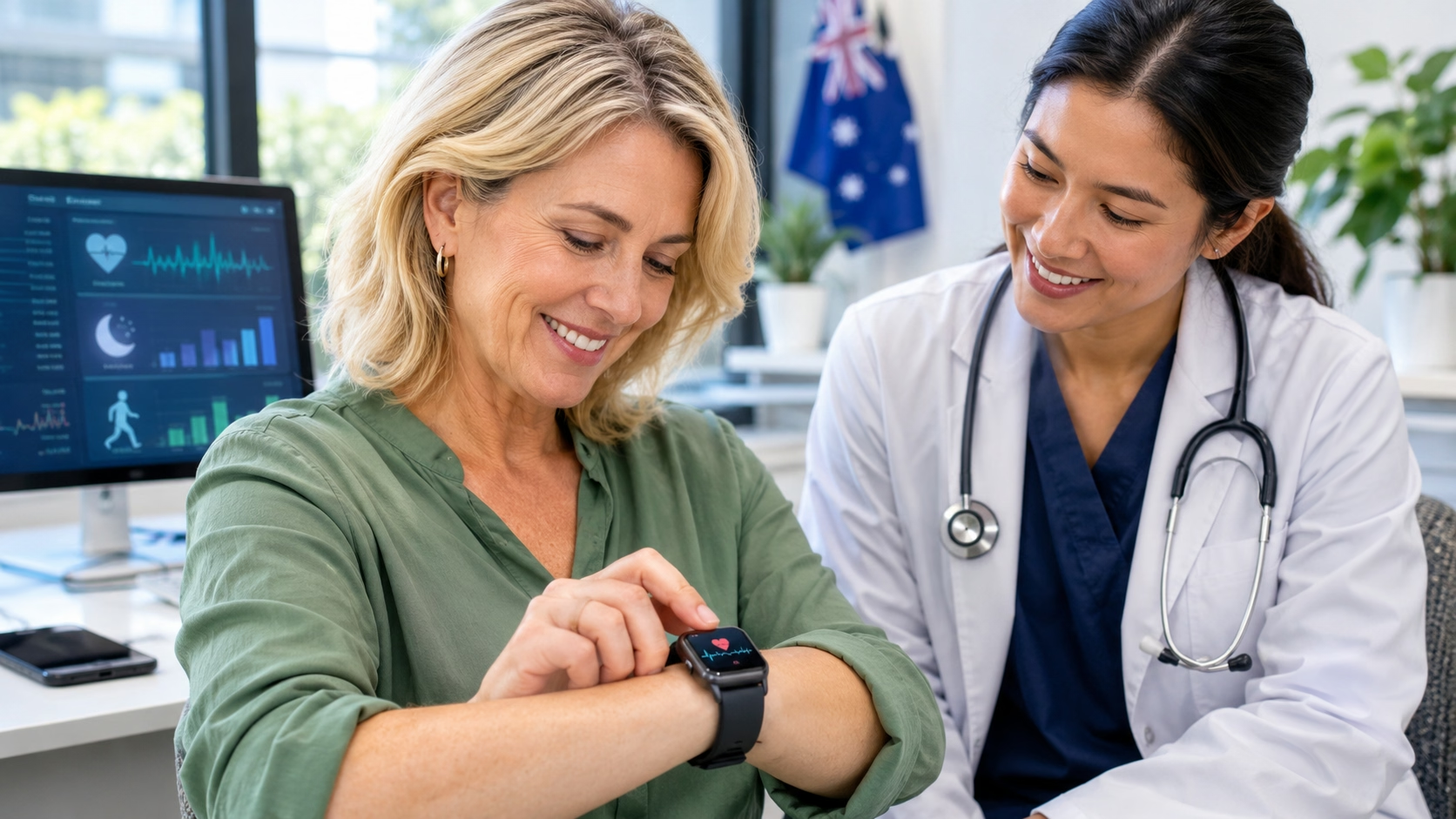
When Technology Meets Cultural Safety
Indigenous Australians carry a disproportionate burden of chronic disease. Type 2 diabetes and cardiovascular disease remain leading causes of morbidity and mortality, particularly in rural and remote communities where access to specialist care is limited. Wearable technology has long been promoted as a potential equaliser—but too often, devices are designed without the input of the communities they are meant to serve. A 2026 study protocol is charting a different path.
The PrIDE Study: Co-Design Before Deployment
The Preventing Indigenous Cardiovascular Disease and Diabetes Through Exercise (PrIDE) study is a mixed-methods, community-led trial recruiting 64 Indigenous Australian adults with type 2 diabetes across remote, rural, and regional sites. Participants self-select into individual or group exercise programs and use the Withings ScanWatch 2 for monitoring. Crucially, the study is built on Indigenous governance structures: cultural safety and community ownership are embedded throughout, and the exercise programs and assessment tools are co-designed rather than imposed.
The protocol explicitly notes that no culturally adapted wearable-based exercise programs have previously been co-designed with Indigenous Australian communities—a gap that has limited both engagement and clinical relevance. Primary outcomes include cardiovascular risk factors, physical fitness, and health self-efficacy measured with culturally adapted tools.
The Engagement Question
A separate cross-sectional study of virtual health service use among rural Aboriginal and Torres Strait Islander adults with chronic conditions offers a clue about what works. Among participants at an Aboriginal Community Controlled Health Organisation in rural and remote Queensland, 64% were active users, and 73% of those used all four monitoring devices concurrently. The study concluded that Indigenous-led virtual health services achieved substantial engagement through culturally grounded health coach support.
These findings challenge a common assumption that remote monitoring adoption is inherently lower in Indigenous communities. The determinant is not the technology itself but the relational and cultural infrastructure around it. When monitoring is embedded in trusted, community-controlled services, engagement can be high.
Beyond the Pilot: Structural Barriers Remain
Wearables alone cannot close a gap produced by decades of underinvestment in housing, transport, and primary care. Device cost, intermittent connectivity, and digital literacy are real constraints in remote settings. The PrIDE protocol’s emphasis on community-led design is an attempt to avoid the familiar pattern of technology pilots that end when grant funding expires.
The broader lesson for Australia’s wearable health sector is that equity is not a feature to be added at the end of product development. It is a design constraint from the beginning. Co-design with Indigenous communities is not a procedural box to tick; it is the mechanism through which monitoring becomes meaningful, trusted, and sustained. As wearable technology becomes more deeply embedded in national health infrastructure, the PrIDE model offers a template for how to deploy it without repeating the extractive patterns of the past.