
Why Long Menus Become a Burden
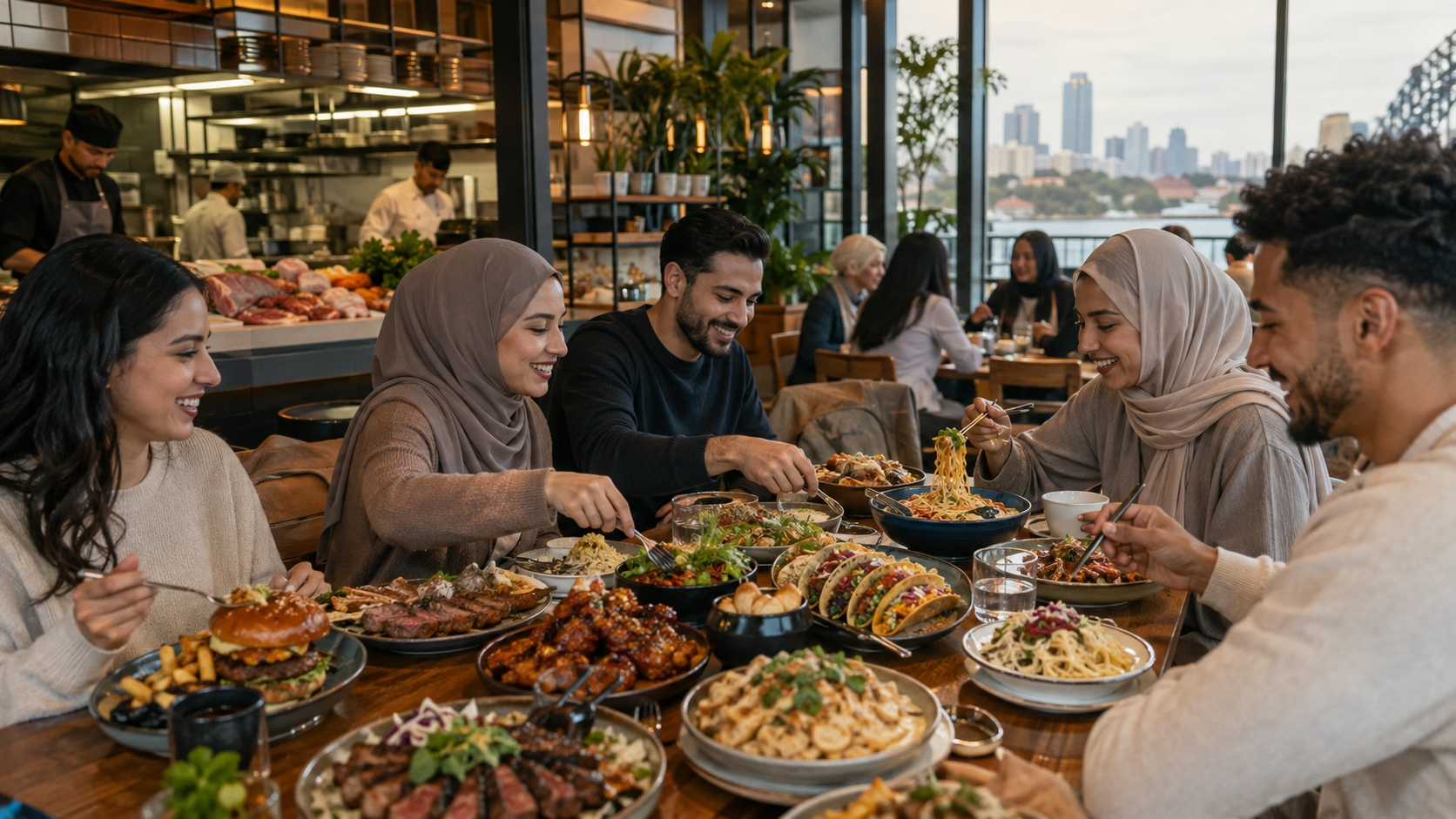
The Australian restaurant menu is undergoing a structural transformation. Amid raw material cost increases reaching 7.77 percent and chef shortages, operators are turning to a more efficient approach: the “two-speed menu.” Restaurant & Catering Australia (R&CA) projects this format will be dominant in 2026, consisting of a tight core menu for margin and reliability, plus a rotating highlight menu for seasonality.
More than half of Australian restaurants reduced menu size in 2025, and operators who cut 20 percent or more reported material improvements in cost control and service speed. A smaller menu means less inventory in the cool room, less waste, simpler preparation, and fewer things that can go wrong during busy service.
Menu Engineering: Building a Data-Driven Menu
Menu engineering is a data-based methodology that combines analysis with psychology to optimize menu profitability. Research from Cornell University shows that restaurants applying this method report a 10 percent sales increase by promoting high-margin dishes and reducing the presence of low-performing items.
Dishes Shaping the 2026 Menu
Tastewise data reveals several significant dish trends: smash burgers have grown 28.9 percent and become a standard expectation; hot honey grew 56 percent with appeal across lunch and dinner; gochujang rose 18.5 percent; laksa rose 20.3 percent; and ulam—a Filipino dish—became the fastest-growing item at 67.2 percent. Operators treating smash burgers as a standard commodity risk drowning in an already crowded space; differentiation through flavor innovation becomes the main battleground.
Production Rotation with a Stable System
Instead of rewriting the menu every few months, many kitchens now build a stable core menu and rotate production around it. This approach allows consistency in execution while still offering seasonal variation. Menus are written for service, not for social media—in other words, dishes must be executable efficiently during peak service, not just look good in photos.
AI in Menu Costing
AI now plays an increasingly large role in menu engineering. In 2026, AI in hospitality is more about decision support than full automation. Inventory systems, menu costing software, and labor forecasting tools allow chefs to model ingredient price changes instantly. Studies show 85 percent of restaurant leaders plan to invest in technology including AI, and 76 percent believe AI or automation can help menu optimization.
Impact on Margins and Guest Experience
A leaner menu does not mean a worse experience. In fact, a more focused menu allows the kitchen to execute better, producing more consistent dishes and faster service. For small restaurants, this is a way to compete with larger players without sacrificing quality or raising prices aggressively.