A Market That Refuses to Follow the Script
By any conventional measure, Australian consumers in 2026 should be pulling back from discretionary spending. Cost-of-living pressures persist, housing prices have softened, and the value-oriented consumer is scrutinising every purchase with unprecedented care. Yet the jewellery industry is posting numbers that defy the broader retail narrative.
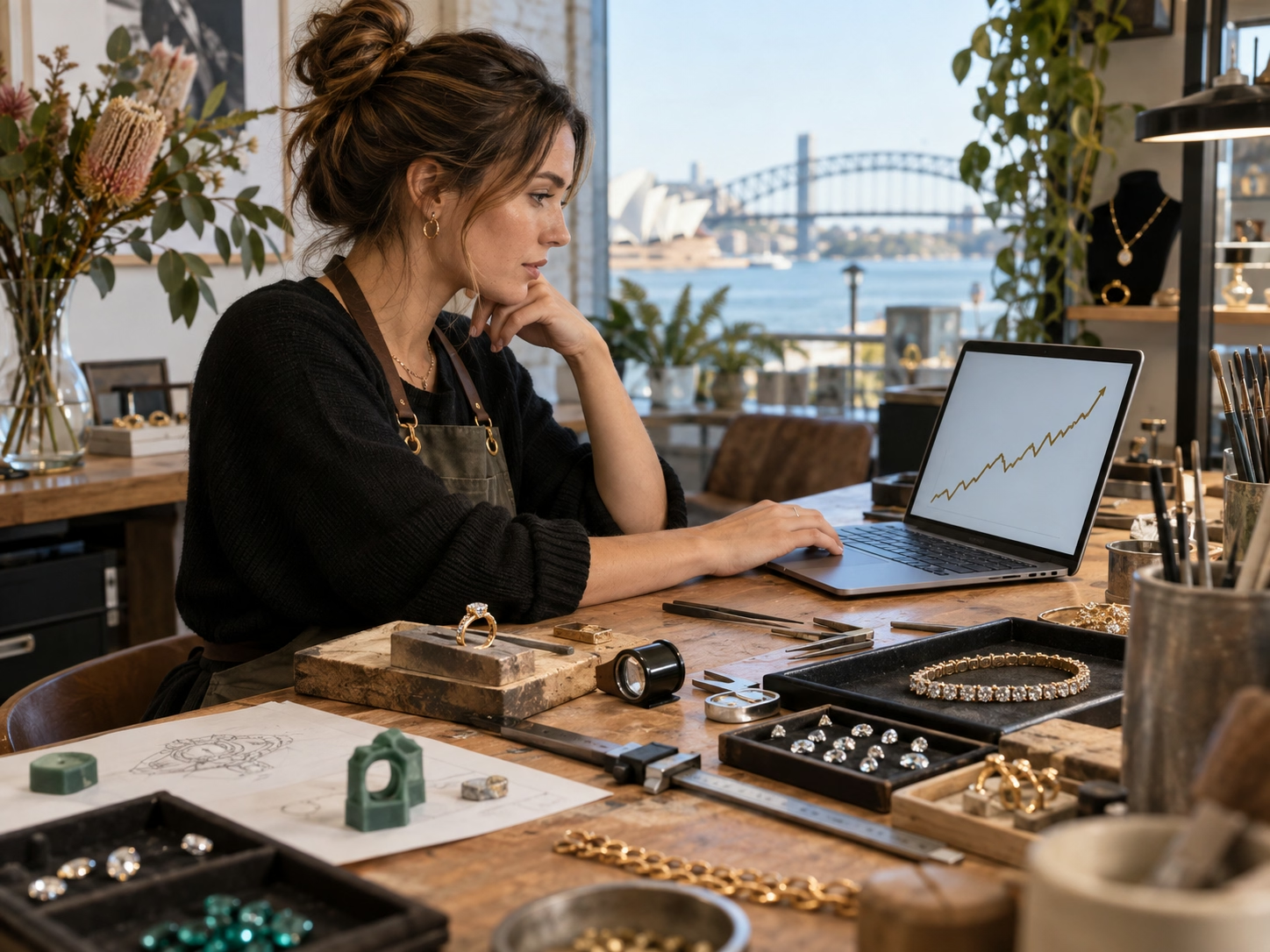
In April 2026, sales at more than 400 independent jewellery stores across Australia and New Zealand increased by 5 per cent year-on-year. This followed a 7 per cent rise in March and February, and a remarkable 12 per cent increase in January. The industry is not merely surviving the consumer slowdown — it is outperforming it.
The Volume-Value Divergence
The explanation lies in a structural shift that has been building for several years. Unit sales actually declined by 7 per cent year-on-year in April, and were 15 per cent lower than in 2024. But the average retail sale climbed to $357, a 17 per cent increase year-on-year and 32 per cent higher than April 2024.
Leon van Megen, general manager of Retail Edge Consultants, captures the dynamic precisely: “Performance continues to be driven by higher-value conversions rather than increased transaction activity. With volume unlikely to recover as a near-term growth lever, consistent conversion at higher price points remains the primary determinant of revenue outcomes”.
In other words, Australian jewellery customers are visiting stores less often — but when they do, they are buying with greater intent and at higher values.
Category-by-Category Performance
The April 2026 data reveals where the growth is concentrated. Diamond jewellery sales improved by 7 per cent year-on-year and 29 per cent on a two-year comparison. Colour gemstone jewellery rose 8 per cent year-on-year and sat 25 per cent higher than in 2024. Silver and alternative metals surged 25 per cent year-on-year, recovering from a softer prior year.
The silver and alternative metals category tells a particularly interesting story. While accessible pricing remains a key strength, van Megen notes that the category “continues to be more exposed to fluctuations in lower-value purchasing behaviour” and has “limited influence on overall revenue progression”. It supports transaction flow, but the real revenue engine is the premium segment.
The Michael Hill Case Study
The performance of Australia’s most prominent jewellery chain reinforces the trend. Michael Hill reported record full-year revenue of $655.7 million in the year to June 2026, with Australian same-store sales growing 4.8 per cent. CEO Jonathan Waecker describes a consumer who is still spending — but on “things that meet a higher bar of experience or standard”.
The company’s response has been instructive. It has found renewed interest in 18-karat necklaces overlaid on sterling silver — high-quality luxury in look and feel, but at an accessible price point. Bespoke offerings are being rolled out across 40 stores, with ambitions to expand to all 245 locations.
The Structural Shift Beneath the Numbers
What the sales data reveals is not a temporary boom, but a permanent reconfiguration of the Australian jewellery market. Generic products are increasingly vulnerable. Mid-market retailers lacking differentiation face growing pressure. Strong branding, storytelling, craftsmanship, and service have become the decisive competitive advantages.
The 2026 Australian jewellery market is not immune to economic caution. It is simply proving that emotional connection and perceived value can outweigh financial hesitation — a lesson that will define the industry for years to come.