The Visual Language of a Generation
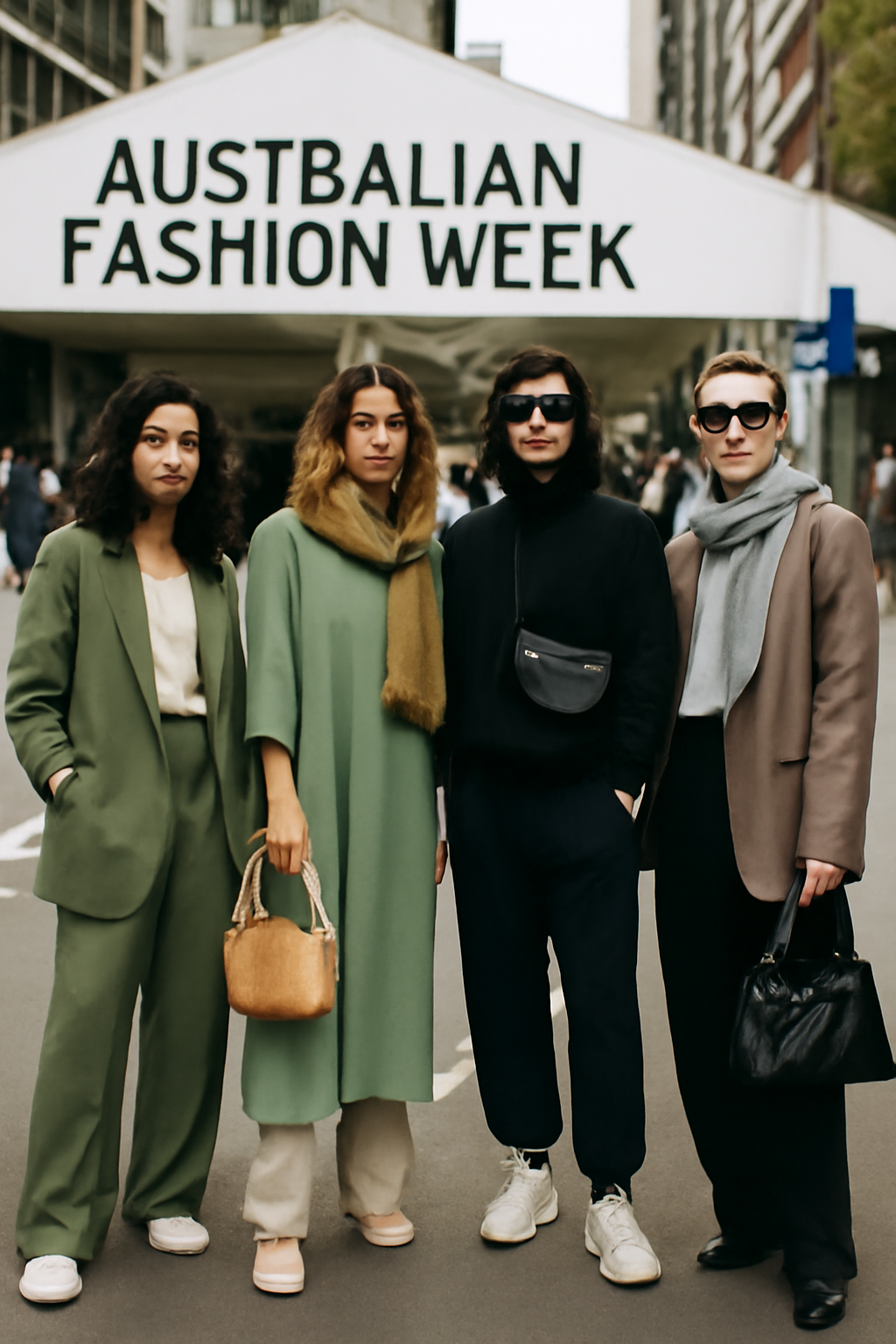
The influence of South Korean pop culture on Australia is pervasive, extending far beyond music charts to fundamentally reshape the visual identity of a generation. K-Pop acts like BTS, BLACKPINK, and NewJeans are not just musicians; they are global style arbiters. For Australian youth, their music videos, airport fashion, and social media feeds serve as a dynamic, constantly updating lookbook. This phenomenon has created a direct pipeline where trends born in Seoul’s entertainment agencies are translated onto the streets of Sydney, Melbourne, and Brisbane with remarkable speed.
Decoding the K-Pop Aesthetic: From Stage to Street
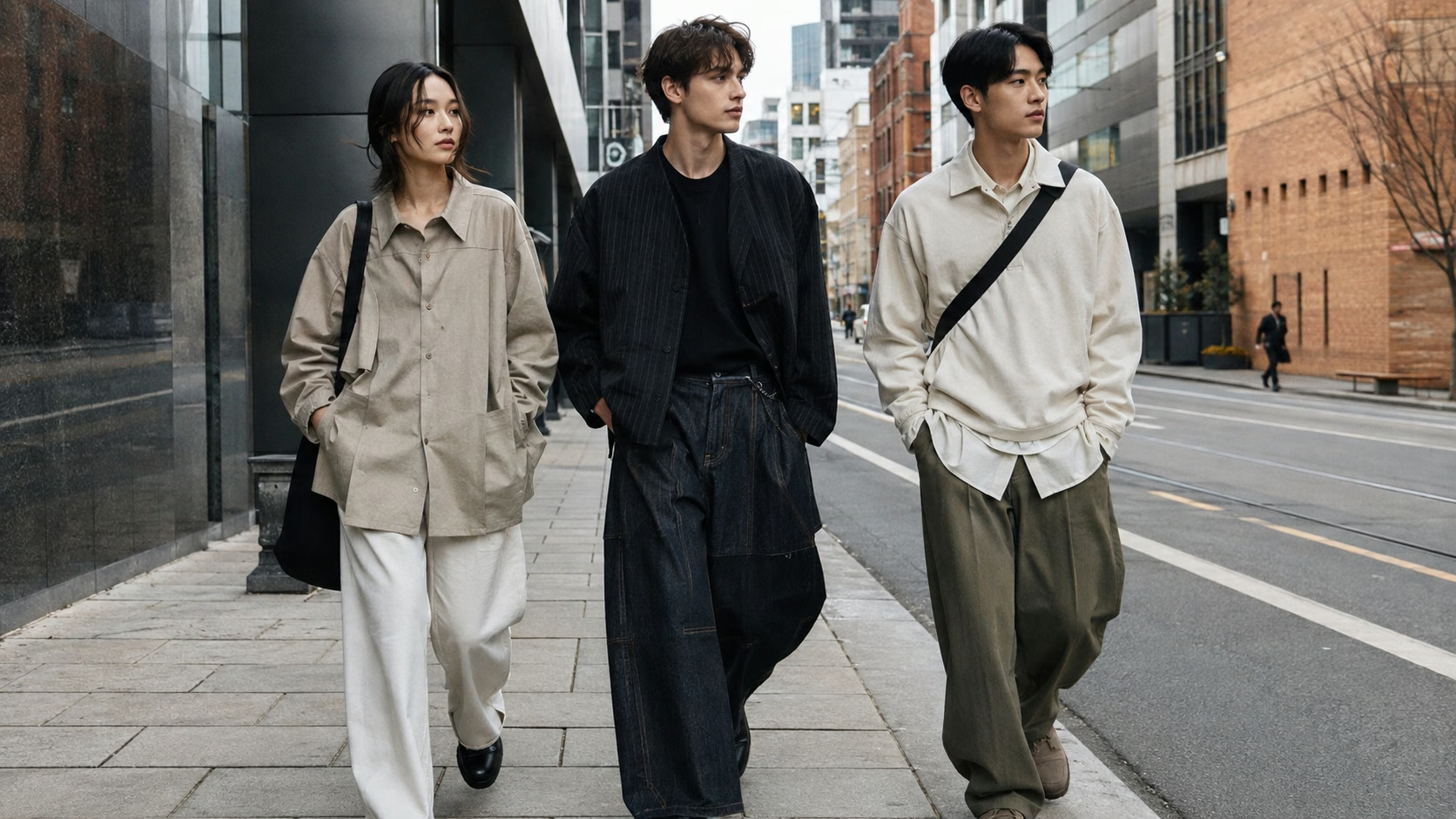
The specific fashion elements championed by K-Pop have created a distinct new vernacular in Australian youth style. The Y2K revival, with its low-rise pants, baby tees, and chunky sneakers, was supercharged by its adoption by K-Pop stylists. More recently, the “chaebol” (wealthy family) aesthetic seen in K-dramas, characterized by tailored blazers, pleated skirts, and a refined, preppy feel, has become a dominant trend for formal and semi-formal wear. Simultaneously, the androgynous styling of many male idols—embracing softer silhouettes, pearl necklaces, and delicate makeup—has challenged traditional Australian notions of masculinity, fostering a more fluid and experimental approach to personal style for young men.
The Commercialization of Hallyu Style in Australia
Australian retailers have been quick to capitalize on this phenomenon. Major department stores now feature dedicated “K-Fashion” sections, stocking brands directly imported from South Korea alongside locally designed pieces that mimic the aesthetic. The demand for specific items, from a particular shade of pastel hair dye to a brand of lip tint or an oversized hoodie silhouette, is often driven by a single Instagram post from an idol. This has created a fast-paced, responsive retail environment where agility and an understanding of online fan culture are just as important as traditional fashion forecasting.
The Power of Fandom and Data
The commercial power of this influence is quantifiable. A 2026 Spotify culture report showed that K-Pop streams in Australia have grown by 280% since 2021, with a direct correlation between streaming spikes and searches for related fashion items. The report highlighted that “the K-Pop fandom operates as a decentralized, hyper-efficient trendsetting engine. Their dedication to their idols translates into immense purchasing power, making them a primary demographic target for fashion brands.” This data confirms that K-Pop is not a niche interest but a dominant cultural and economic force in the Australian market.
A Gateway to Broader Korean Culture
The influence of K-Pop fashion acts as a gateway, leading young Australians to a deeper appreciation of broader Korean culture, including design, cuisine, and language. This “halo effect” suggests that the impact of this trend will be long-lasting. It is not simply about copying a look; it is about aligning with the values of innovation, artistry, and global community that K-Pop represents. As a result, the fashion choices of Australia’s youth are a daily, visible testament to the soft power and creative energy emanating from the Korean peninsula.