The clash between convenience and environmental responsibility has long haunted the frozen food category. In 2026, that tension is dissolving rapidly as Australian manufacturers and retailers embrace packaging innovations and ethical sourcing frameworks. With APCO’s 2026 Strategic Framework pushing for 100% reusable, recyclable, or compostable packaging by 2025—a target now being actively enforced—the frozen aisle is witnessing a materials revolution (APCO website).
Plastic-Free and Home-Compostable Breakthroughs
The shift away from mixed-material laminates, which are notoriously unrecyclable, is accelerating. Birds Eye Australia made headlines in June 2026 when it transitioned its entire frozen fish fillets line into paper-based cartons with a thin, plant-derived moisture barrier certified home-compostable by the Australasian Bioplastics Association. This single change diverted an estimated 180 tonnes of soft plastic from landfill annually.
Recycled PET Trays and Fibre-Based Solutions
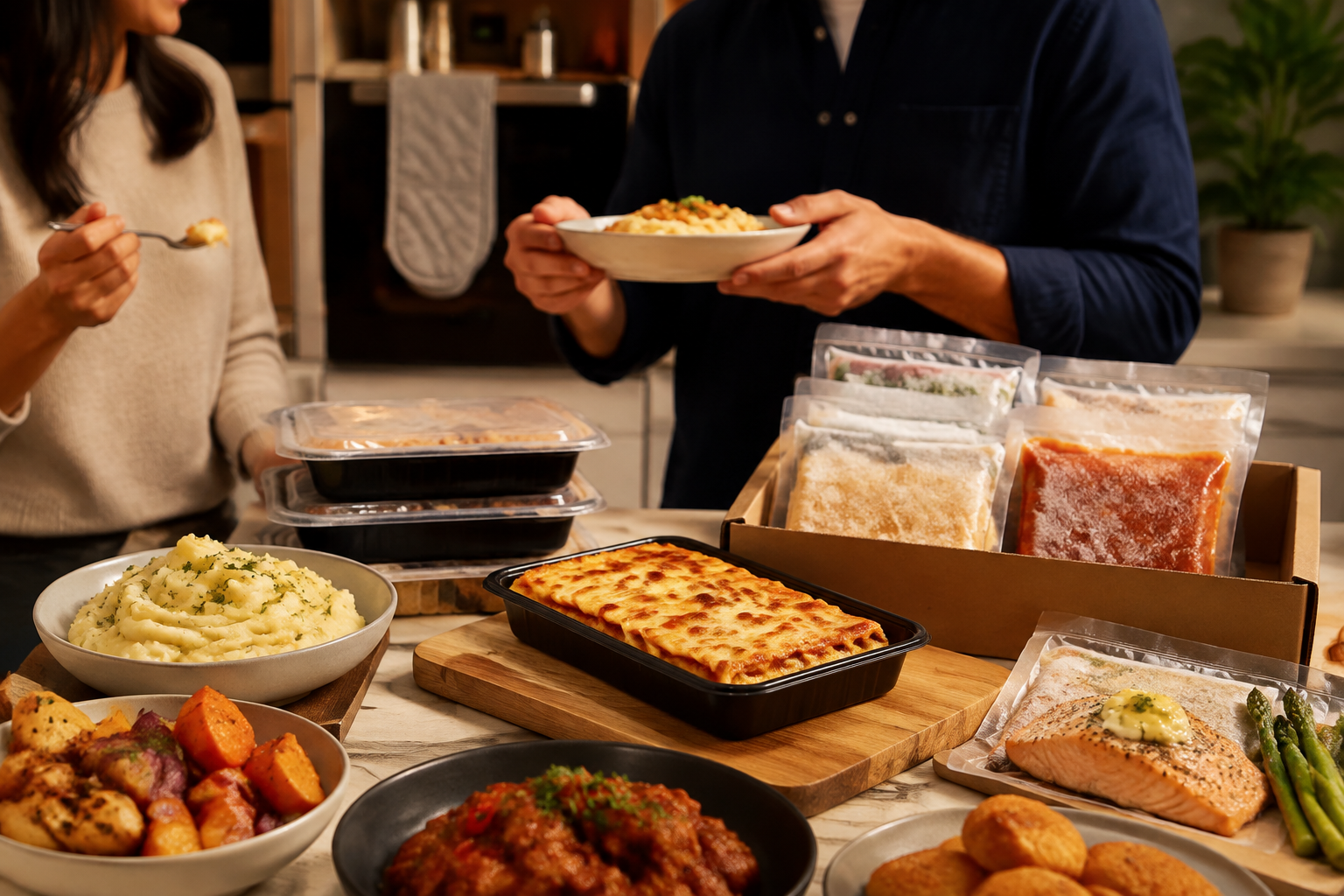
Simultaneously, the use of recycled PET (rPET) in frozen meal trays has surged. Coles’ private label frozen dinners now feature 80% post-consumer recycled content in their black trays, clearly labelled with the recycling logo to guide consumer disposal. Beyond plastics, moulded fibre trays made from sugarcane bagasse are emerging for frozen vegetables, absorbing minimal moisture while breaking down in backyard compost heaps within 12 weeks.
Carbon Footprint Reduction from Farm to Freezer
Sustainability extends beyond the package. There is a rising emphasis on Scope 3 emissions, with companies calculating the carbon footprint of every frozen pizza or berry bag. McCain Foods Australia, leveraging its 2026 regenerative agriculture partnerships, now prints a carbon impact score on select frozen potato products. The data, verified by independent auditors, shows a 19% reduction in emissions compared to 2022 baselines through soil carbon practices and reduced fertilizer use.
Ethical Sourcing as Market Differentiator
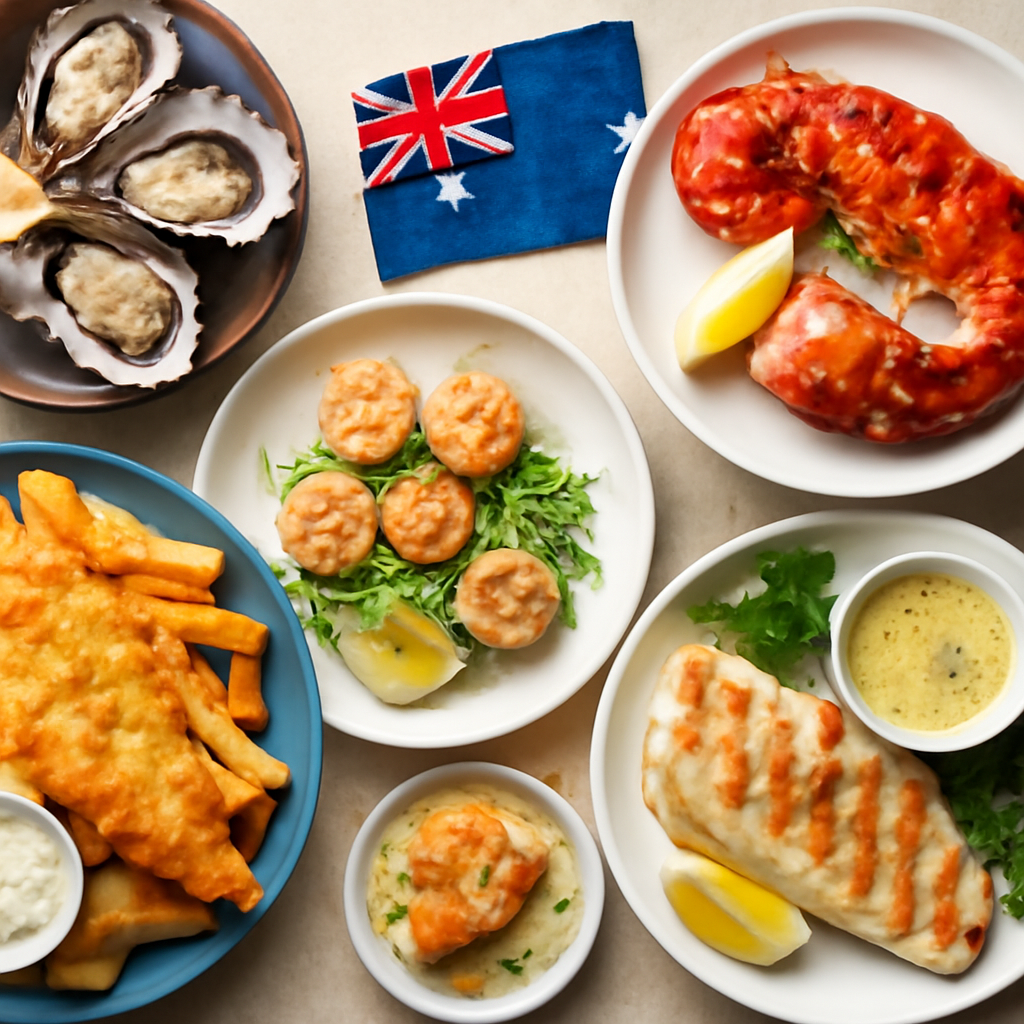
Ethical sourcing seals are also proliferating. The frozen seafood sector has tightened chain-of-custody certifications. By mid-2026, Woolworths mandated that all own-brand frozen prawns carry the Marine Stewardship Council (MSC) blue tick or equivalent, pushing Vietnamese and Thai suppliers toward fully traceable, sustainable aquaculture. This demand-side pressure is reshaping international supply chains while giving Australian shoppers a clear conscience in the frozen aisle.
The sustainability makeover underscores a fundamental shift: the frozen food sector can no longer rely on mere product quality; it must prove that its convenience does not cost the planet. As 2026 progresses, the brands that marry deep-freeze technology with deep-green ethics are capturing the loyalty of environmentally-savvy shoppers, rewriting the narrative that frozen means wasteful.