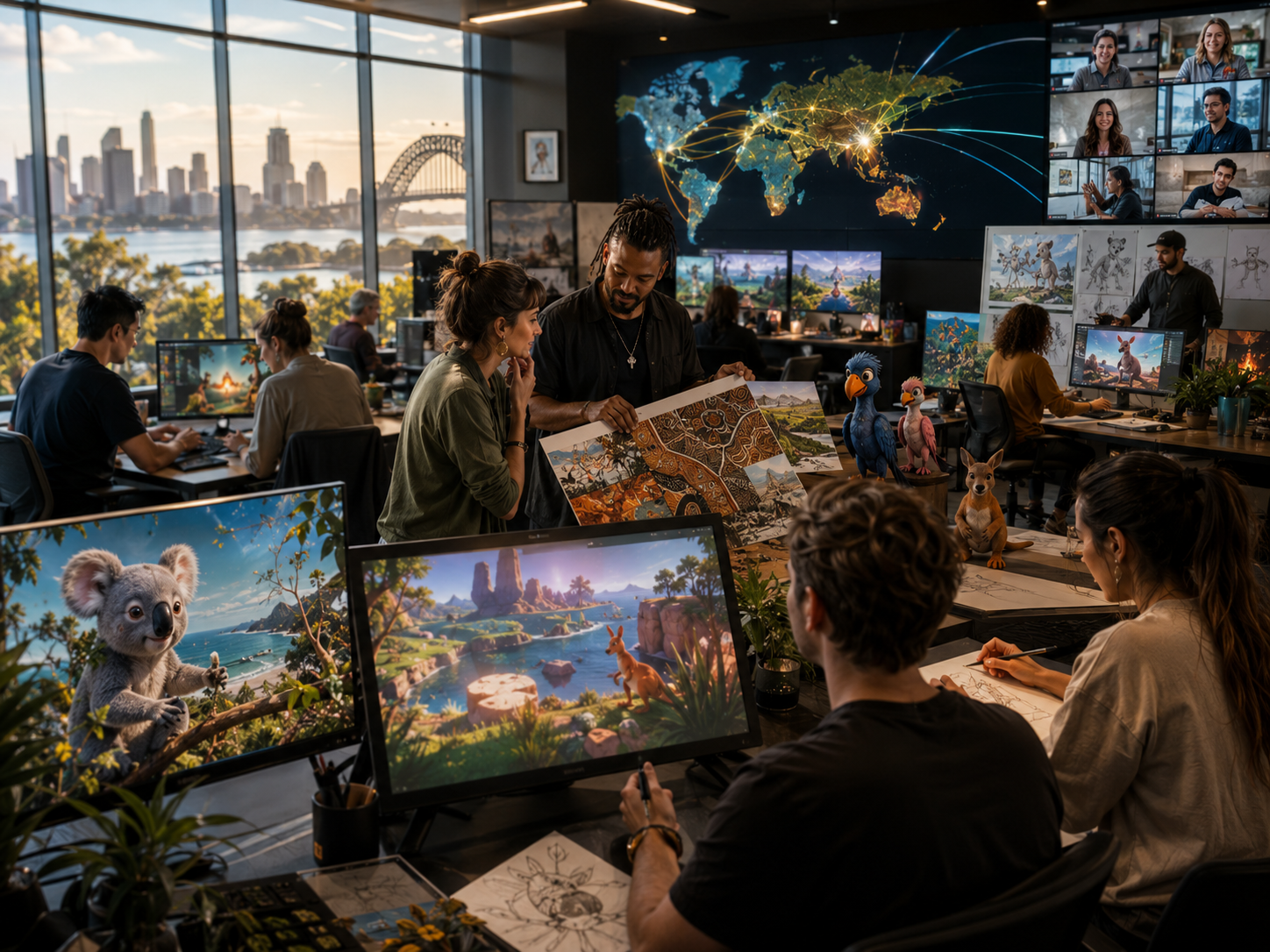
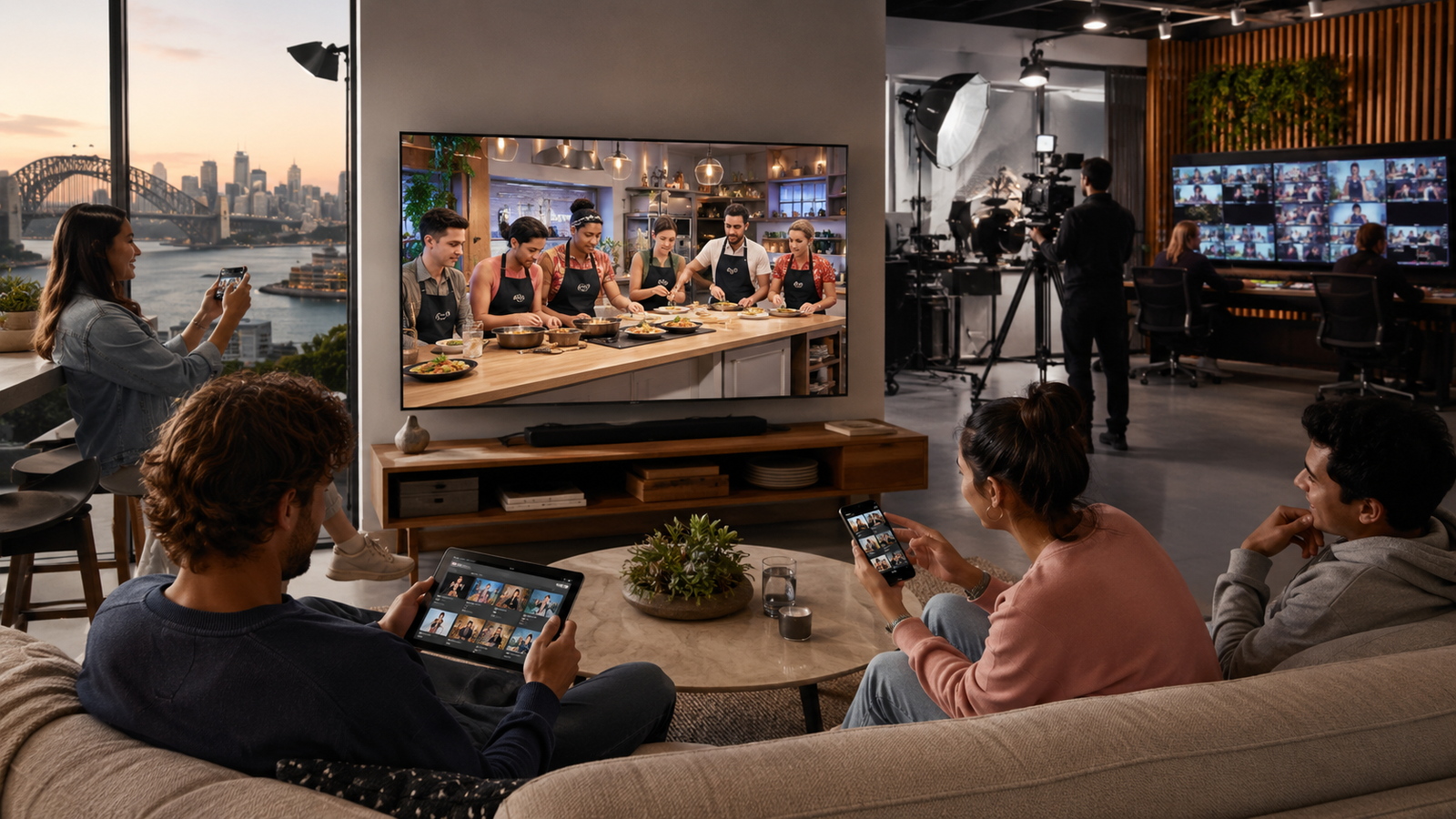
Australia’s television industry in 2026 represents a major transition from traditional broadcasting toward a more diverse and technology-driven entertainment ecosystem. The combination of reality television popularity, streaming expansion, and digital content innovation has changed how audiences interact with media.
Television companies are no longer competing only through channels and programming schedules. They are competing through audience relationships, digital platforms, personalized experiences, and the ability to create content that attracts viewers across multiple devices.
This evolution demonstrates how Australian television continues to adapt despite major disruptions caused by global streaming competition and changing consumer habits.
Reality Television Continues to Shape Australian Popular Culture
Reality entertainment remains one of the strongest pillars of Australia’s television landscape because it creates immediate audience involvement. Programs based on competition, lifestyle transformation, relationships, and personal challenges continue attracting viewers because they encourage emotional investment.
Shows including The Block, MasterChef Australia, and Married at First Sight Australia have become more than television programs. They have developed into social events where audiences discuss episodes, contestants, and outcomes through digital platforms.
The popularity of reality television also reflects changing audience preferences. Many viewers are attracted to authentic personalities and unscripted moments because they feel more connected to real-life experiences.
For broadcasters, reality programs provide valuable advantages because they can generate strong engagement while supporting sponsorship and advertising partnerships.
Streaming Competition Accelerates Industry Innovation
The expansion of streaming services has created a highly competitive environment for Australian media companies. International platforms such as Netflix, Disney+, and Amazon Prime Video compete with local services including Stan, ABC iview, 9Now, 7plus, and 10 Play.
This competition has encouraged Australian companies to improve digital experiences, develop exclusive content, and invest in online distribution strategies.
According to the Australian Communications and Media Authority (ACMA), online video consumption continues to play an important role in Australia’s changing media environment.
Reference:
https://www.acma.gov.au/publications
The increasing popularity of streaming has also changed audience expectations. Viewers now expect flexible access, high-quality production, and personalized recommendations rather than fixed television schedules.
Artificial Intelligence and Data Are Influencing Content Decisions
Technology is becoming increasingly important in television production and distribution. Australian media companies are using audience data to understand viewing behavior and improve programming decisions.
Streaming platforms analyze user preferences to recommend content, while broadcasters use digital insights to identify popular trends and audience interests.
Artificial intelligence is also beginning to influence areas such as content recommendation systems, production planning, and audience analysis.
Although technology creates opportunities, media companies must balance innovation with creativity. Successful television still depends on strong storytelling and meaningful connections with audiences.
Social Platforms Create New Television Communities
The relationship between television and social media has become one of the most important developments in modern entertainment.
Platforms such as TikTok, Instagram, and YouTube allow television content to reach audiences who may not watch traditional broadcasts. Short videos, highlights, interviews, and fan discussions can extend the impact of a program long after its original release.
For reality shows especially, social media has become part of the entertainment experience. Audience reactions and online conversations often influence public attention and determine which programs become cultural trends.
Australia’s Television Industry Faces a Competitive but Innovative Future
The Australian television industry faces challenges including international competition, changing advertising models, and increasing demand for digital-first experiences. However, these pressures have also encouraged innovation and creativity.
The industry’s ability to combine strong local storytelling with modern technology provides opportunities for continued growth.
Future success will depend on how effectively Australian television companies adapt to new audience behaviors while maintaining the cultural identity that makes local content valuable.
Australia’s television sector is entering a period where traditional broadcasting, reality entertainment, and digital innovation are no longer separate areas. Together, they represent a new generation of media that connects audiences through multiple platforms and experiences.