
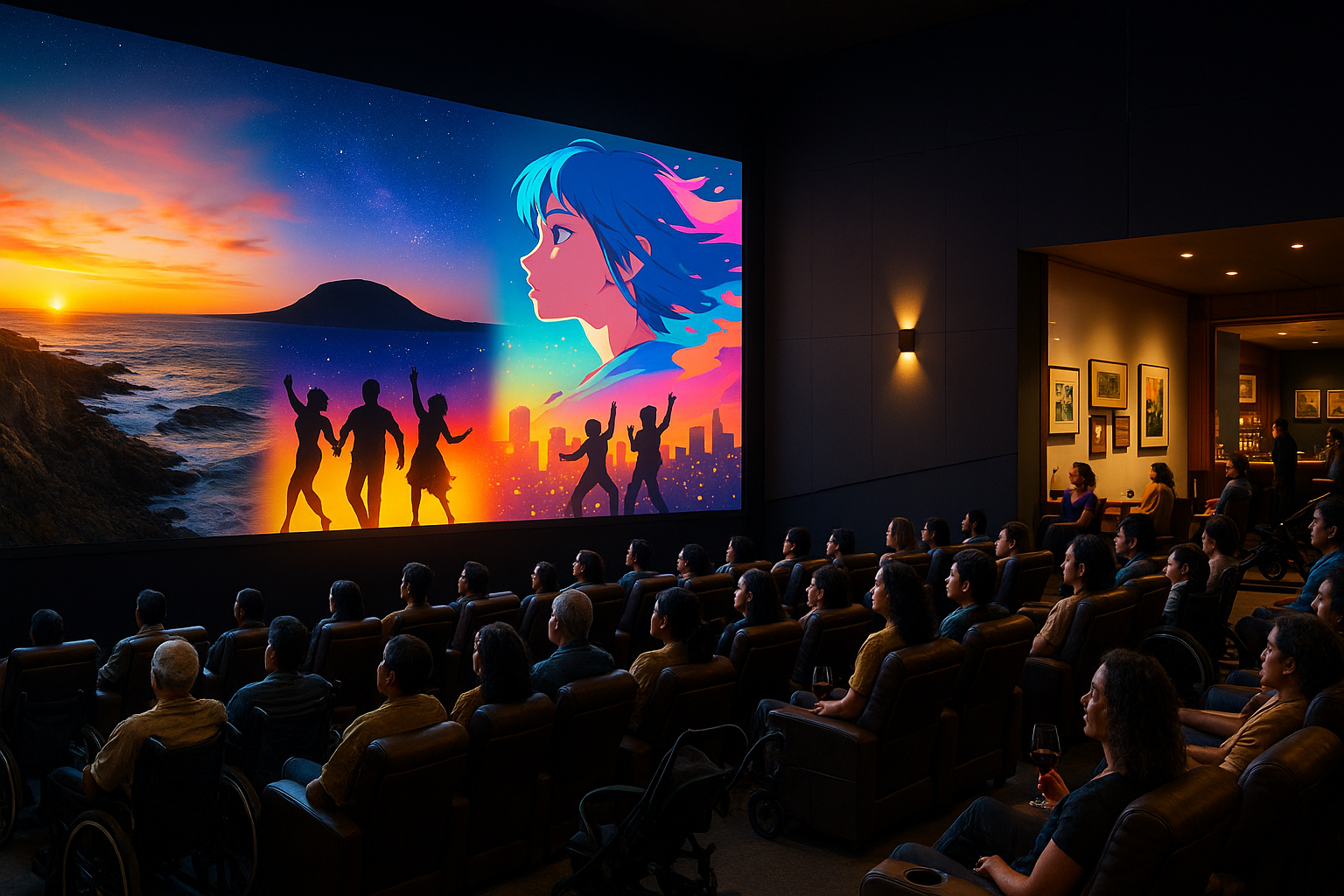
Australia’s cinema scene is defined by a double engine: homegrown storytelling with sharper edges, and a worldly slate that mirrors the country’s demographics. Multiplexes rely on technology and comfort to command attention—laser projection, tactile bass, wider seats—while positioning the cinema as a destination, not a default.
Local films have been winning by leaning into identity rather than imitating foreign templates. Desert-set dramas, coastal family tales, and First Nations-led features carry authenticity that festivals amplify. With backing from Screen Australia and state agencies, producers stitch together finance, then leverage MIFF or Sydney premieres to seed buzz. Travel circuits—post-screening talks, regional previews—encourage the crucial second and third weekend.
Foreign content remains the other axis. American blockbusters deliver scale, but anime has become a stealth pillar, especially when releases are time-limited. Korean films and series spin-offs appeal to urban audiences who want subtitled content on a giant screen. Indian cinema is particularly muscular in corridors with sizable diaspora communities, prompting 10 a.m. opening day sessions and late-night encores. Chinese-language releases spike around seasonal holidays, complete with social campaigns in-language.
Distribution tactics are pragmatic. Theatres prioritize titles that win on presentation while leaving smaller dramas to hybrid strategies. To buffer quieter weeks, managers schedule concert films, stage captures, and special broadcasts—events that people attend together with a sense of occasion. Those sessions also attract patrons who otherwise rarely go, widening the funnel.
Boutique chains and arthouse venues provide counter-programming. Palace’s European film festivals and Dendy’s curated weekends introduce audiences to filmmakers they haven’t yet heard of, building trust one recommendation at a time. Amenities—wine bars, foyer galleries, careful trailer reels—extend the experience beyond the feature itself. Inclusivity is steadily normalizing: captioned screenings, sensory-friendly shows, and pram-accessible timeslots evolve cinema-going into a more flexible habit.
Pricing and loyalty are strategic tools rather than blunt discounts. Midweek offers, tiered seating for premium formats, and points-driven rewards help nudge undecided viewers. Meanwhile, regional theatres keep culture local, pairing mainstream titles with community events and school showcases. The enduring lesson is simple: Australians will show up when the big screen adds value—through format, through community, or through stories that feel unmistakably of this place.