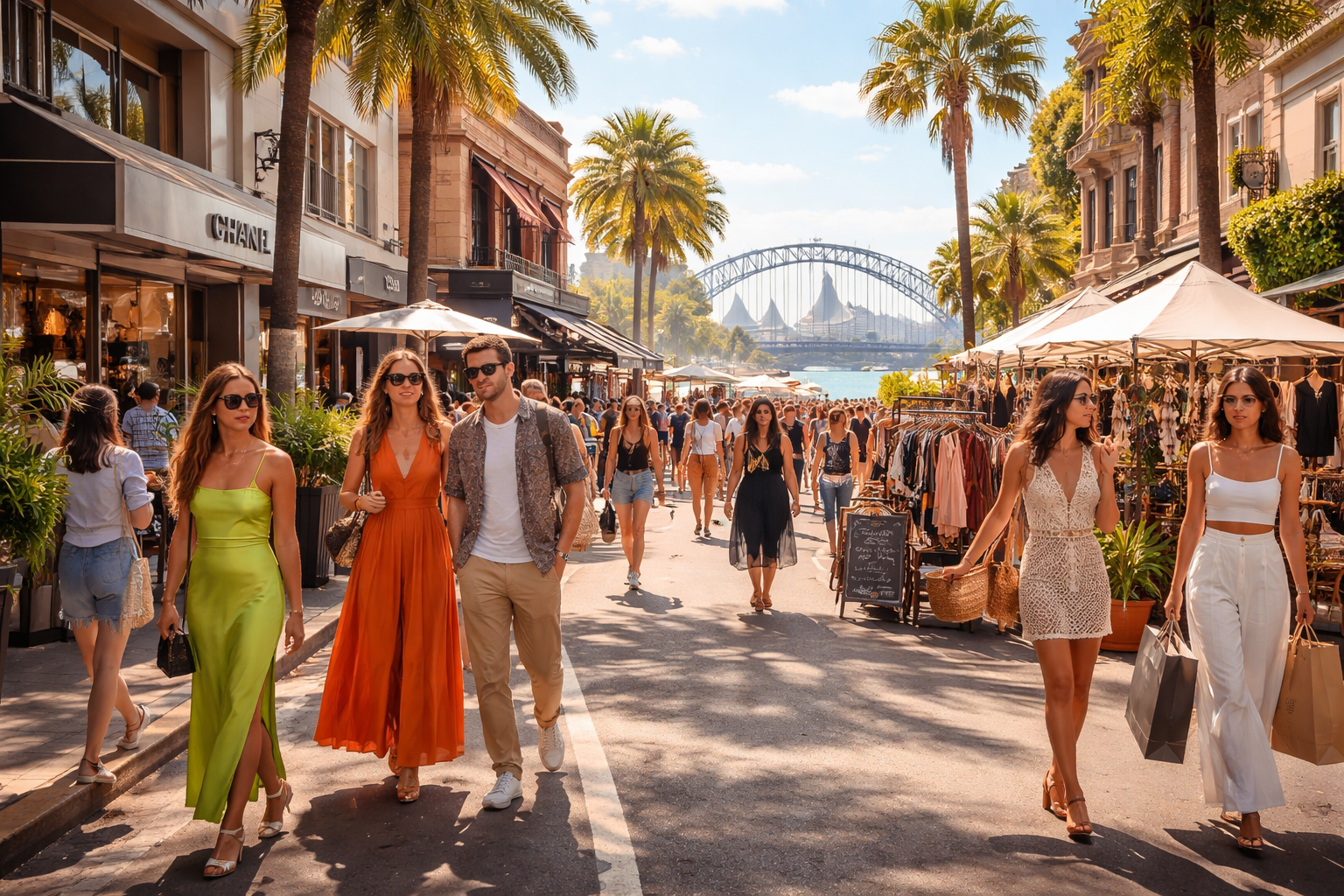
Global audiences often meet Australian fashion through the lens of lifestyle: surf breaks, city laneways, and festival culture. That shorthand remains useful because it maps to real product strengths. Heritage surf labels refined durable boardshorts and rash guards for decades, building technical know-how that newer swim and activewear brands inherit. Streetwear players like Ksubi turned distressed denim and graphic tees into export staples, while modern contemporaries fuse tailored separates with sneakers, slim cargos, and sport-influenced outerwear.
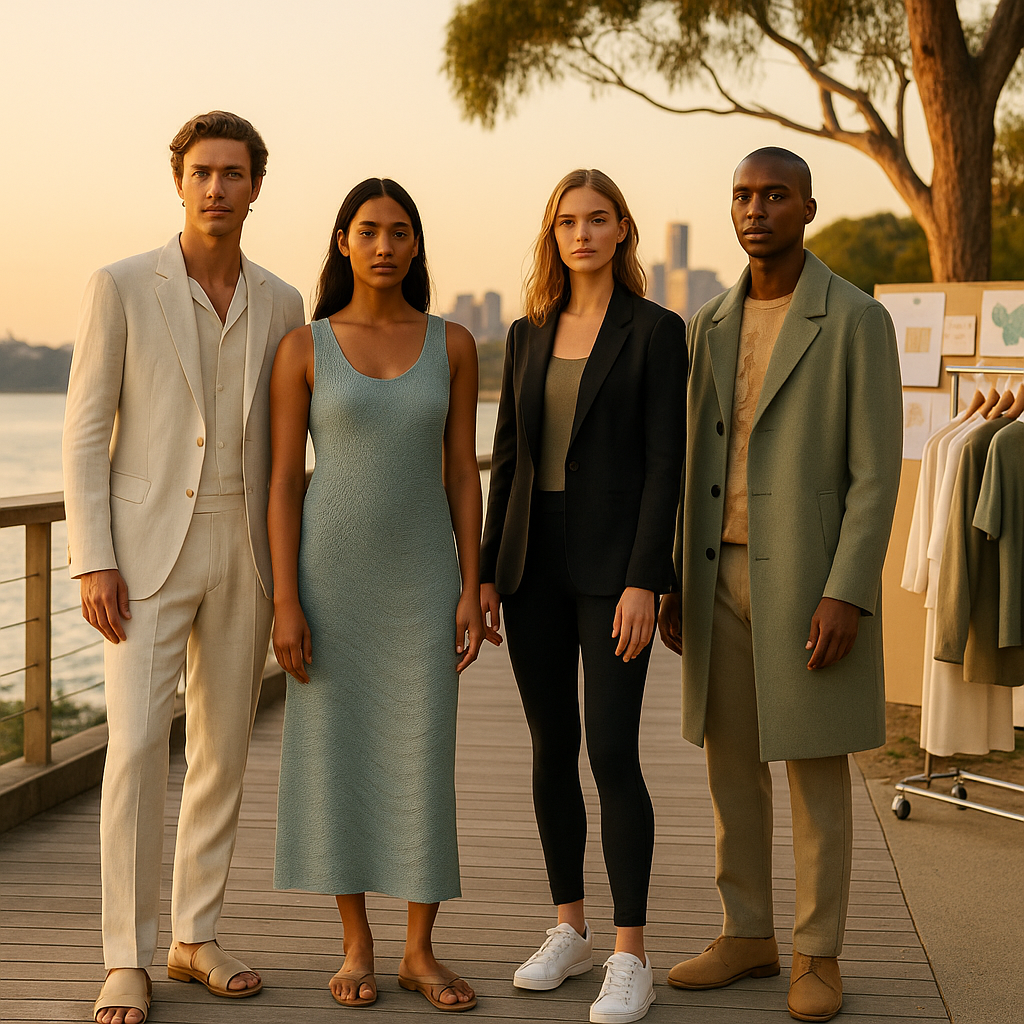
This crossover style fits the way people actually dress. Collections mix function—UV-protective fabrics, breathable merino, water-resistant shells—with sharp silhouettes. Brands such as Aje and Camilla and Marc balance sculptural tailoring with soft, beach-adjacent textiles, offering pieces that perform at a gallery opening and a seaside dinner alike. The playbook scales well overseas: capsule wardrobes, versatile day-to-night dresses, and packable jackets speak to travelers and city dwellers.
Behind the aesthetic is a maturing commercial engine. Designers time deliveries to Northern and Southern seasons, releasing resort, pre-collections, and mainline drops to stay top-of-mind for buyers. Marketing skews visual and experiential: runway shows staged on piers or cliffside pools, lookbooks shot in the outback, and collaborations with photographers and musicians to anchor a mood. Limited-edition capsules create urgency while keeping inventory risk controlled.
The wholesale pathway has clarified. Australian showrooms now maintain relationships with boutiques from Copenhagen to Seoul, translating fit blocks, size grading, and fabric specs for those markets. Retailers value the unique voice—romantic yet easy, polished yet playful—and the reliability that comes from standardized tech packs and repeatable core styles.
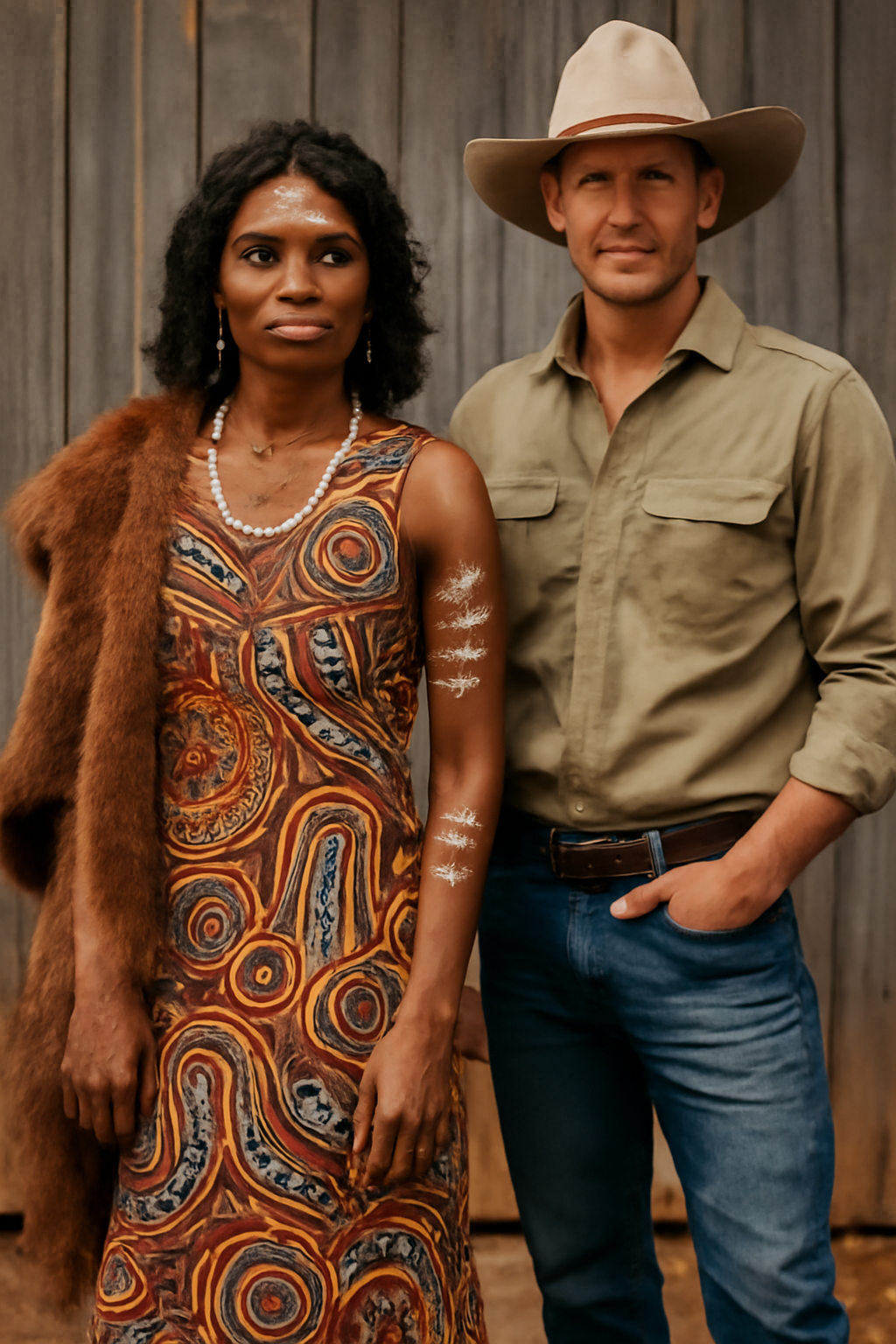
Culturally, the industry embraces plurality. First Nations voices infuse stories with memory and stewardship; migrant communities bring tailoring and craft traditions from Europe and Asia; and gender-inclusive design expands customer reach. This mosaic yields runway moments that feel authentic rather than derivative. International audiences buy not only garments but a way of living—optimistic, outdoors-oriented, and modern—making Australian labels sticky in closets far from Bondi or Fitzroy.