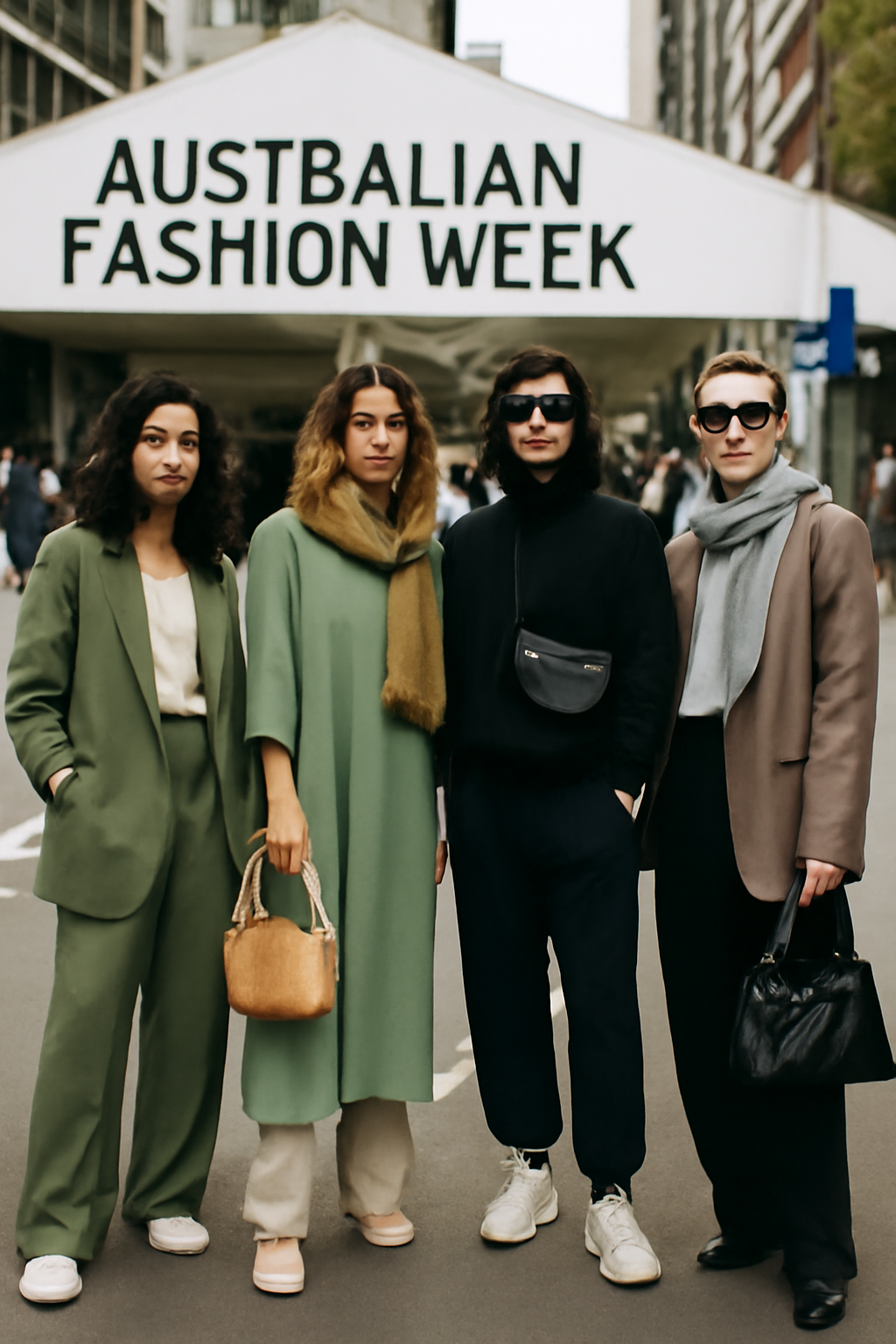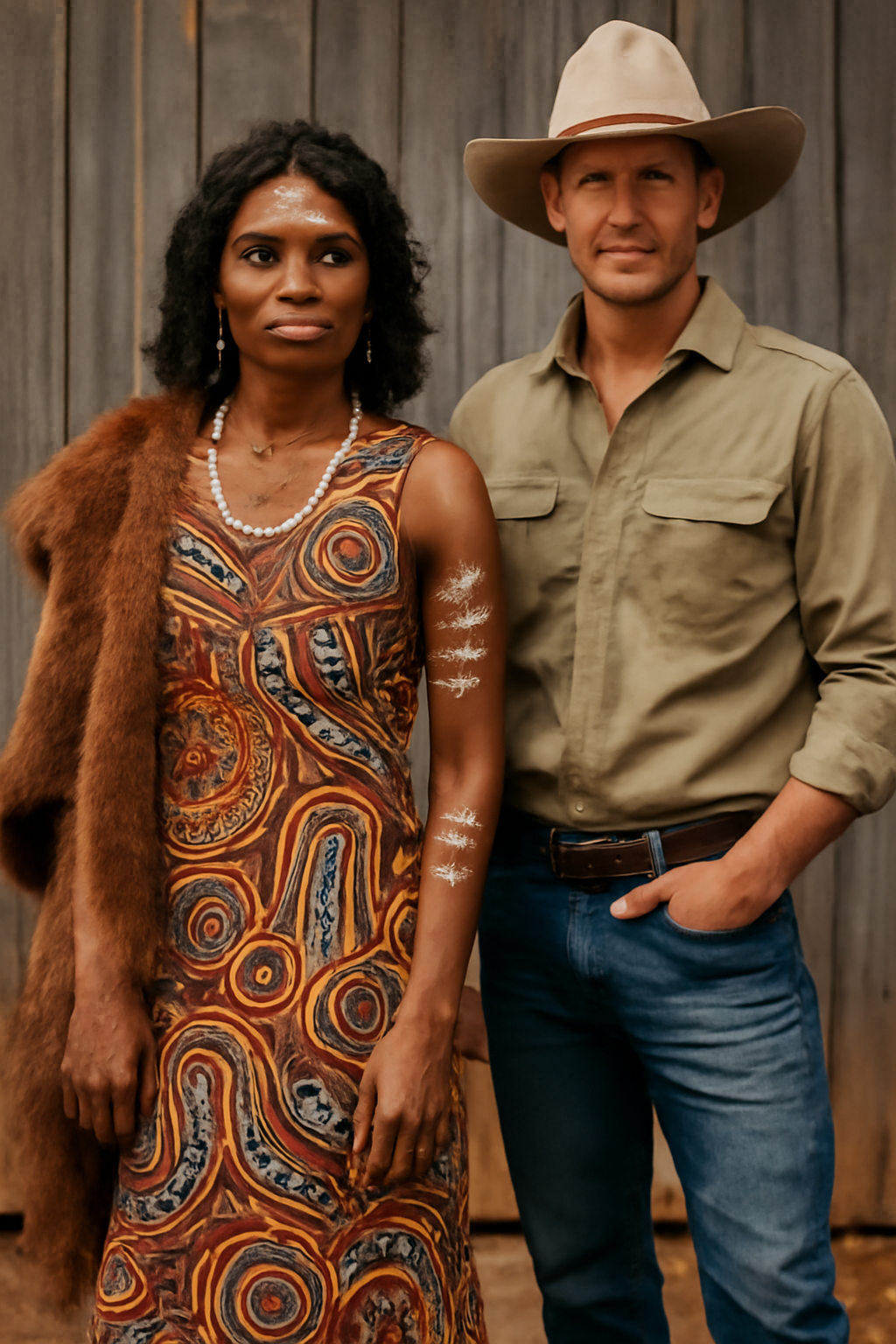
Australia’s embrace of circular fashion is visible on streets, in marketplaces, and at weekend swap events. The core idea is simple: keep garments in use at their highest value for as long as possible, then recover materials when wear finally wins. This principle is reshaping how Australians shop, care for, and part with clothing.
Rental has hit its stride for occasionwear. Platforms let customers borrow designer pieces, solving the one‑event outfit problem that drives overconsumption. For day‑to‑day dressing, peer‑to‑peer resale apps and curated consignment stores extend the life of denim, outerwear, and childrenswear. Major marketplaces now build circular features directly into product pages, allowing shoppers to list an item for future resale at checkout.
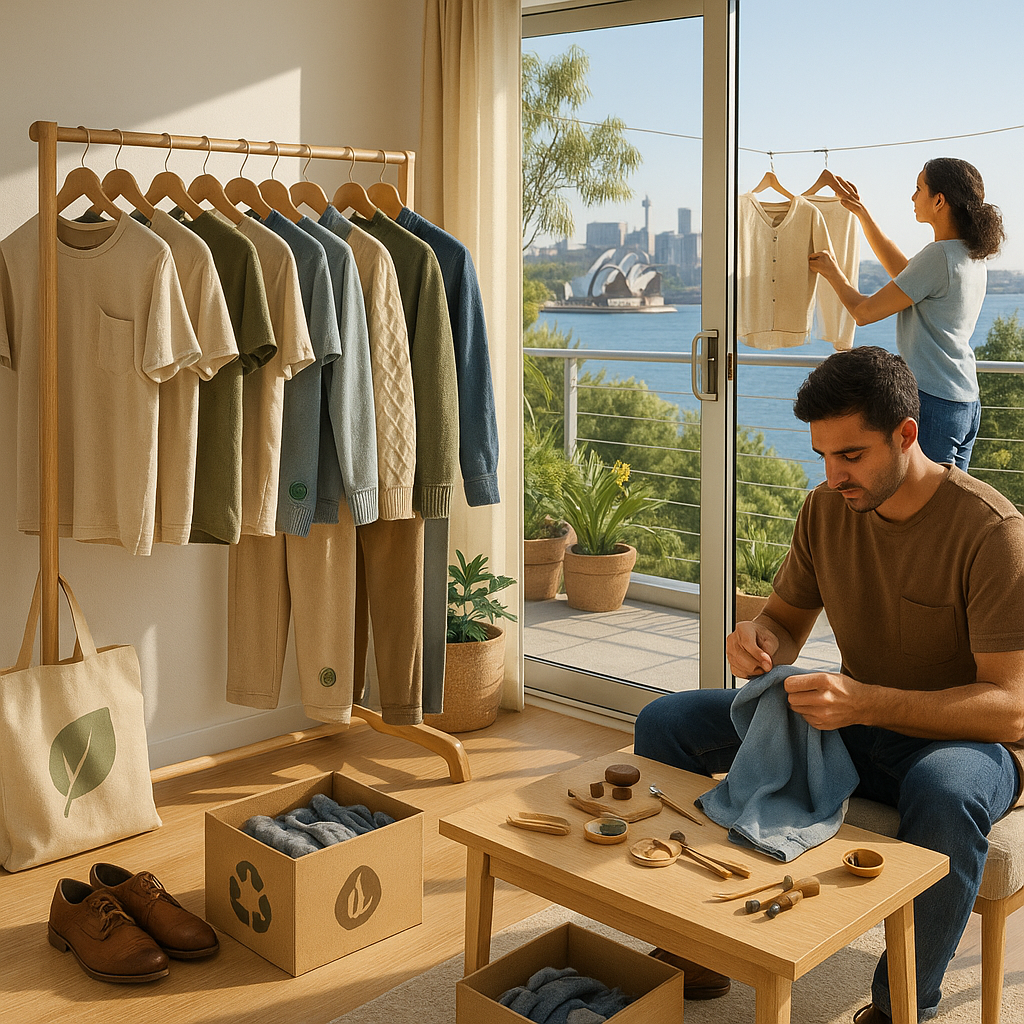
Repair is enjoying a renaissance. Tailors, cobblers, and alterations studios are busier than they’ve been in years, and community repair meetups help demystify mending. Brands support this through repair guarantees, spare parts, and tutorials. Care routines are evolving, too: washing less, choosing cold cycles, and air‑drying conserve fibers and reduce energy use. Simple add‑ons—laundry bags and in‑line microfibre filters—limit shedding from synthetics.
Designers are responding with durability and modularity. Reinforced stress points, bar‑tacked pockets, and double‑stitched seams show up in everyday garments. Some labels publish repairability scores, offer pattern files for patch replacements, or design mono‑material garments that are easier to recycle. Made‑to‑order models, like custom‑fit tees, cut overproduction and return rates, improving both margins and impact.
Textile recovery is the final loop. Collection programs accept worn‑out basics, sorting them for reuse, downcycling, or recycling. Mechanical processes can open pure cotton back into fibre; advanced systems are emerging to split blended fabrics into separate, usable streams. Importantly, these facilities rely on steady feedstock and clear labeling—two areas where brands and consumers can help by choosing traceable fibers and accurate care tags.
Policy and market signals are aligning. National stewardship initiatives are setting targets for diversion from landfill and funding pilots in sorting, mechanical recycling, and chemical recovery. As brands are nudged to take responsibility for what they put on the market, circular options become easier and more affordable.
Culture is doing the rest. Australians have long loved op‑shops, markets, and community‑minded solutions. The circular wardrobe movement taps that spirit while adding digital tools, better design, and smarter logistics. The endgame is not perfection; it’s a practical, scalable system where buying, wearing, sharing, repairing, and recycling fit together without friction.