
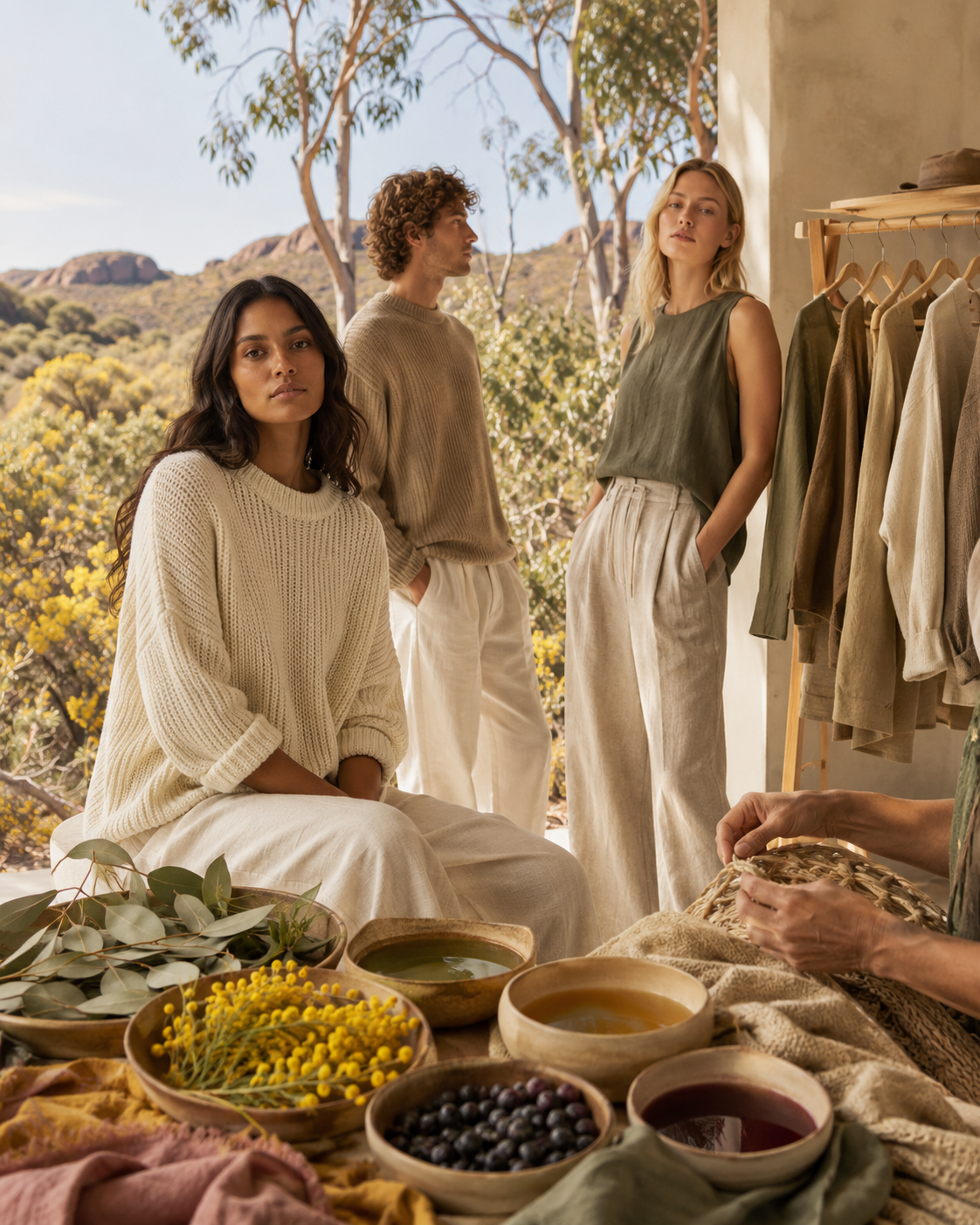
Sustainable fashion in Australia is experiencing a renaissance, with local materials at the heart of eco-friendly garment production. Australian designers are exploring nature-based fibers and plant-derived dyes to reduce environmental impact, stimulate regional economies, and produce clothing that embodies ecological responsibility.
Merino wool stands out as a flagship material. Renowned for its softness and adaptability, wool is also naturally fire-resistant, moisture-wicking, and biodegradable. Australian Merino farms implement sustainable grazing practices, ensuring the health of the soil and livestock. By integrating this wool into apparel collections, designers achieve a balance of luxury, performance, and environmental mindfulness.
Organic cotton production in Australia has increased as brands move away from chemical-dependent farming. Organic cotton supports biodiversity, conserves water, and prevents harmful runoff into waterways. Its lightweight, breathable qualities make it a favorite for everyday wear and high-end fashion pieces alike. Local sourcing also reduces dependency on overseas imports, promoting shorter supply chains and a smaller carbon footprint.
Hemp’s potential in sustainable fashion is equally impressive. Its cultivation requires minimal water and no pesticides, producing a fiber that is naturally strong, resistant to mold, and suitable for diverse clothing applications. Australian innovators experiment with hemp blends, pairing it with wool or cotton to enhance texture and durability while maintaining eco-friendly credentials.
Natural dyes derived from native Australian plants contribute both aesthetic and environmental value. Extracts from eucalyptus, wattle, and native berries create vivid and long-lasting colors without polluting rivers or using synthetic chemicals. Each piece colored with plant-based dyes connects consumers to Australia’s flora, adding a storytelling dimension to sustainable fashion.
Collaboration with Indigenous communities has strengthened the connection between natural materials and cultural heritage. Traditional techniques in weaving, dyeing, and pattern-making are integrated into contemporary designs, preserving cultural knowledge while promoting sustainable craftsmanship. This synergy enhances the social impact of eco-fashion by supporting local artisans and fostering respect for Australia’s Indigenous heritage.
Australian sustainable fashion reflects a broader commitment to environmental stewardship. Utilizing Merino wool, organic cotton, hemp, and natural dyes, designers produce clothing that is not only eco-conscious but also functional, comfortable, and visually appealing. This trend highlights the growing awareness among consumers of how clothing choices affect the planet, emphasizing the role of local resources in creating a greener, more responsible fashion industry.