Australia is a country celebrated for its diverse, multicultural society, and nowhere is this diversity more evident than in its vibrant parades and festivals. From the dazzling spectacle of the Sydney Mardi Gras to the community-centered Moomba Festival in Melbourne, Australian parades have become a powerful symbol of the nation’s commitment to inclusivity, cultural expression, and shared celebration.
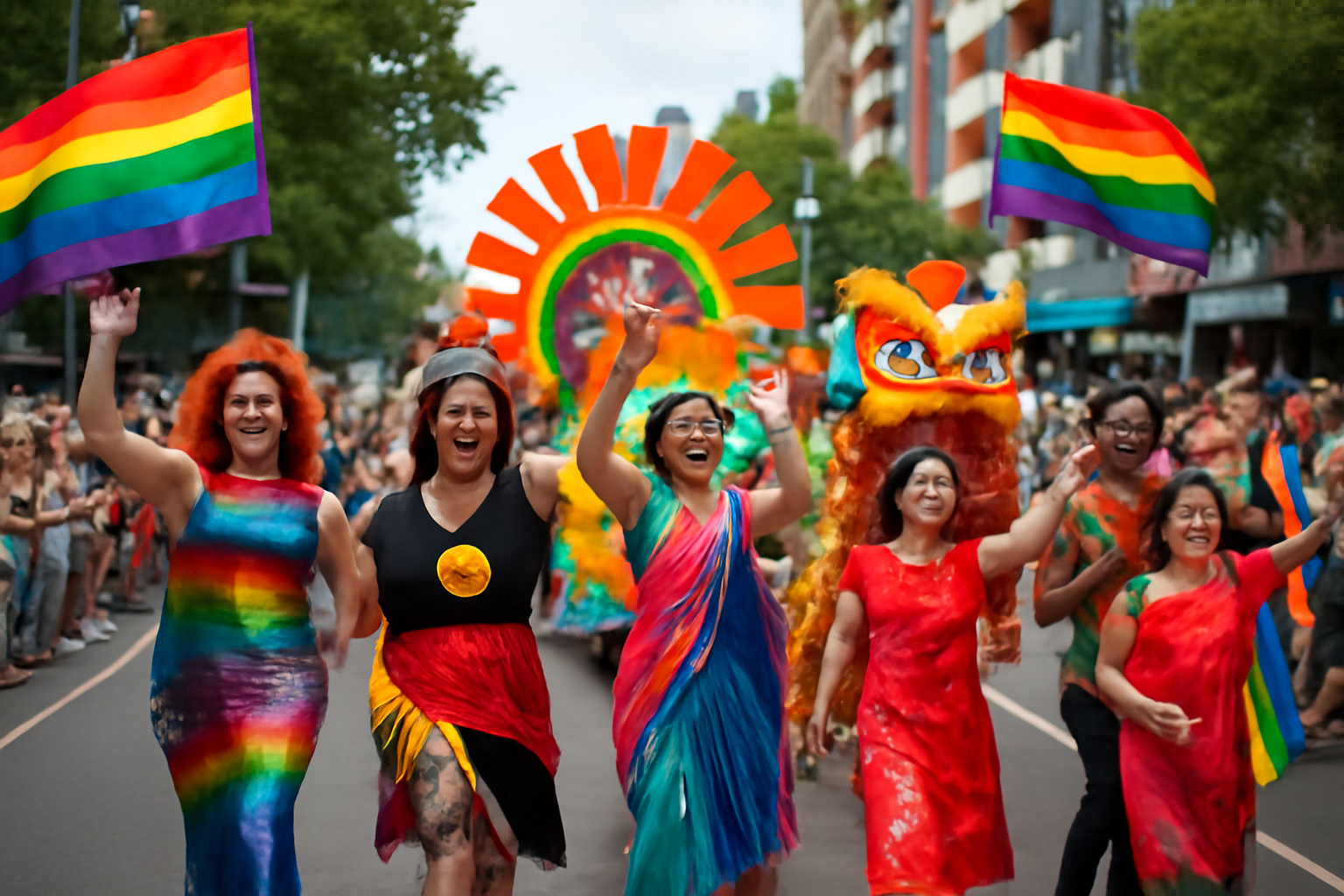
One of the most famous parades in Australia is the Sydney Gay and Lesbian Mardi Gras, a dazzling event that attracts people from around the world. Initially a protest for equal rights in 1978, it has since transformed into one of the world’s largest celebrations of LGBTQIA+ culture. The parade is a colorful, flamboyant display of love, acceptance, and unity. Participants march in solidarity, dressed in extravagant costumes, while the streets of Sydney are lined with thousands of spectators. The event serves not only as a celebration of LGBTQIA+ culture but also as a statement about the importance of equality, love, and social justice.
In Melbourne, the Moomba Festival offers another spectacular celebration, bringing people together from all walks of life. The Moomba Parade, held annually over the long weekend in March, is a joyous occasion that marks the arrival of spring. The parade is a mix of community floats, performances, and water-based events, culminating in the famous Birdman Rally, where participants launch themselves into the Yarra River. Moomba is one of the largest free festivals in the Southern Hemisphere and highlights Melbourne’s community spirit. It is also a celebration of the city’s multicultural identity, with participants from diverse backgrounds contributing to the vibrancy of the event.
Australia’s cultural diversity is also celebrated through the Chinese New Year parade, which is marked by dragon dances, fireworks, and a wide array of traditional Chinese performances. The parades are an opportunity for the Chinese community to share their heritage with the broader public, while also celebrating the significance of the lunar new year. In cities like Sydney and Melbourne, these parades are highly anticipated events, drawing people from all backgrounds to join in the festivities. This celebration highlights the integral role that Chinese-Australians have played in shaping the country’s multicultural identity.
Indigenous Australian culture is another essential element of the country’s parade and festival traditions. The Koorie Heritage Trust in Melbourne plays a pivotal role in organizing events that celebrate Aboriginal and Torres Strait Islander cultures. These events focus on traditional Indigenous music, art, dance, and storytelling, helping to preserve and share the rich cultural heritage of Australia’s first peoples. These parades also serve as a reminder of the ongoing struggles of Indigenous communities, advocating for land rights and recognition within Australian society.
In addition to these major events, smaller, local festivals also showcase Australia’s multicultural tapestry. The Festival of the Winds in Bondi, Sydney, is one such example. Held annually, it celebrates the arrival of spring with an impressive display of giant kites, representing freedom, creativity, and the coming together of different cultural communities. It is a great reminder of how parades can transcend geographical boundaries and unite people through a shared sense of celebration.
Australia’s parades and festivals are more than just lively spectacles. They are a vital part of the nation’s commitment to embracing and celebrating cultural diversity. Through these events, Australians demonstrate the strength that comes from unity in diversity. As the country continues to evolve, these festivals will remain a critical platform for cultural exchange, social inclusion, and collective pride.