
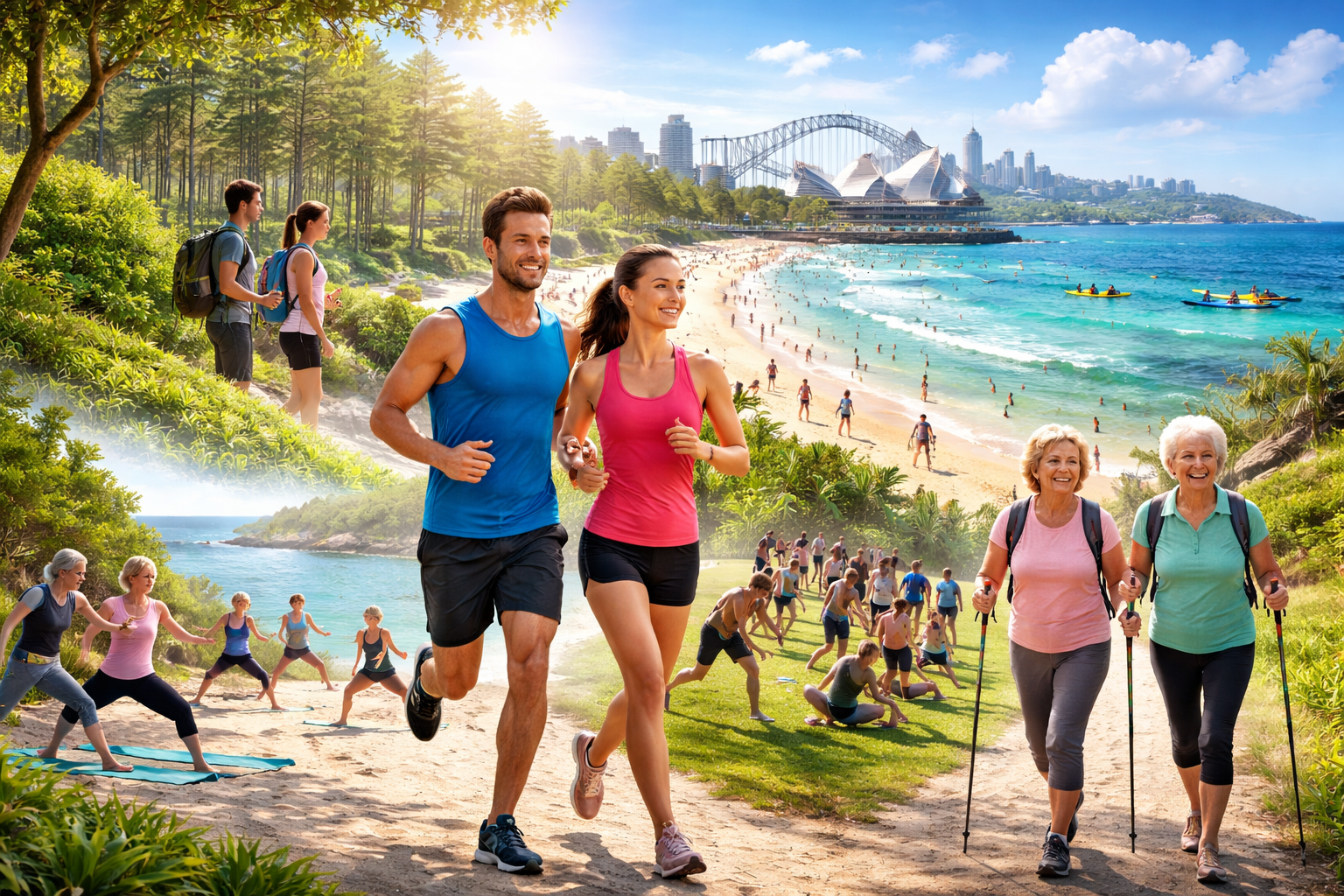
Australia has long been known for its active lifestyle and commitment to health, with fitness and physical activity playing a pivotal role in the nation’s health culture. As sedentary lifestyles become more prevalent in modern society, maintaining physical activity is essential to combatting the rise of chronic diseases and mental health issues. Fitness is not just about looking good—it’s about feeling good, and its role in health maintenance in Australia is undeniable.
The Australian climate and landscape provide the perfect environment for outdoor physical activities. Australians engage in an extensive range of fitness options such as jogging, swimming, cycling, and hiking, taking full advantage of the country’s beaches, parks, and trails. This access to nature not only encourages people to stay active but also connects them with their environment, which can boost both physical and mental well-being.
The health benefits of regular physical activity are well-documented. For Australians, staying active is crucial in preventing or managing chronic conditions such as obesity, diabetes, and cardiovascular disease. With rising rates of lifestyle-related diseases, fitness has become a key tool in tackling these public health challenges. In addition, physical activity strengthens the immune system, reduces inflammation, and improves overall longevity. The Australian health guidelines recommend that adults engage in moderate-intensity physical activity for at least 150 minutes per week, a benchmark that many Australians strive to meet.
Beyond physical health, fitness plays a significant role in mental health. Research consistently shows that exercise reduces symptoms of depression, anxiety, and stress, all of which are increasingly prevalent in Australian society. Physical activity stimulates the production of endorphins, the body’s natural mood enhancers, which help combat mental fatigue and promote a positive outlook on life. For those dealing with mental health issues, fitness can offer a much-needed reprieve from daily stressors and provide a way to boost mood and energy levels.
Incorporating fitness into daily routines can also lead to improved sleep quality, which is essential for maintaining mental clarity and emotional resilience. In a country where busy work schedules and modern technology often interfere with rest, physical activity offers an effective way to regulate sleep patterns and ensure a full night’s rest.
Furthermore, fitness and physical activity foster a sense of community. From organized sports leagues to fitness classes and walking groups, Australians have a wide variety of options to engage with others in their fitness journey. Social connection through fitness not only motivates individuals to stay active but also reduces the sense of loneliness, particularly in older adults. Community-based fitness activities play an important role in promoting inclusivity and social cohesion.
For older Australians, maintaining physical activity is vital in preserving independence and preventing the physical decline associated with aging. Exercise can reduce the risk of falls, improve strength and flexibility, and prevent the onset of age-related conditions such as osteoporosis and arthritis. Activities such as walking, swimming, and tai chi have been specifically recommended for older adults to maintain mobility and overall health.
Australia’s government has embraced the promotion of physical activity through various initiatives, encouraging individuals of all ages to prioritize fitness. National campaigns and community programs are focused on making fitness accessible and enjoyable for everyone, regardless of their age or fitness level. By fostering a culture of active living, Australia is setting an example for the world in how fitness can enhance the quality of life and health outcomes for a population.