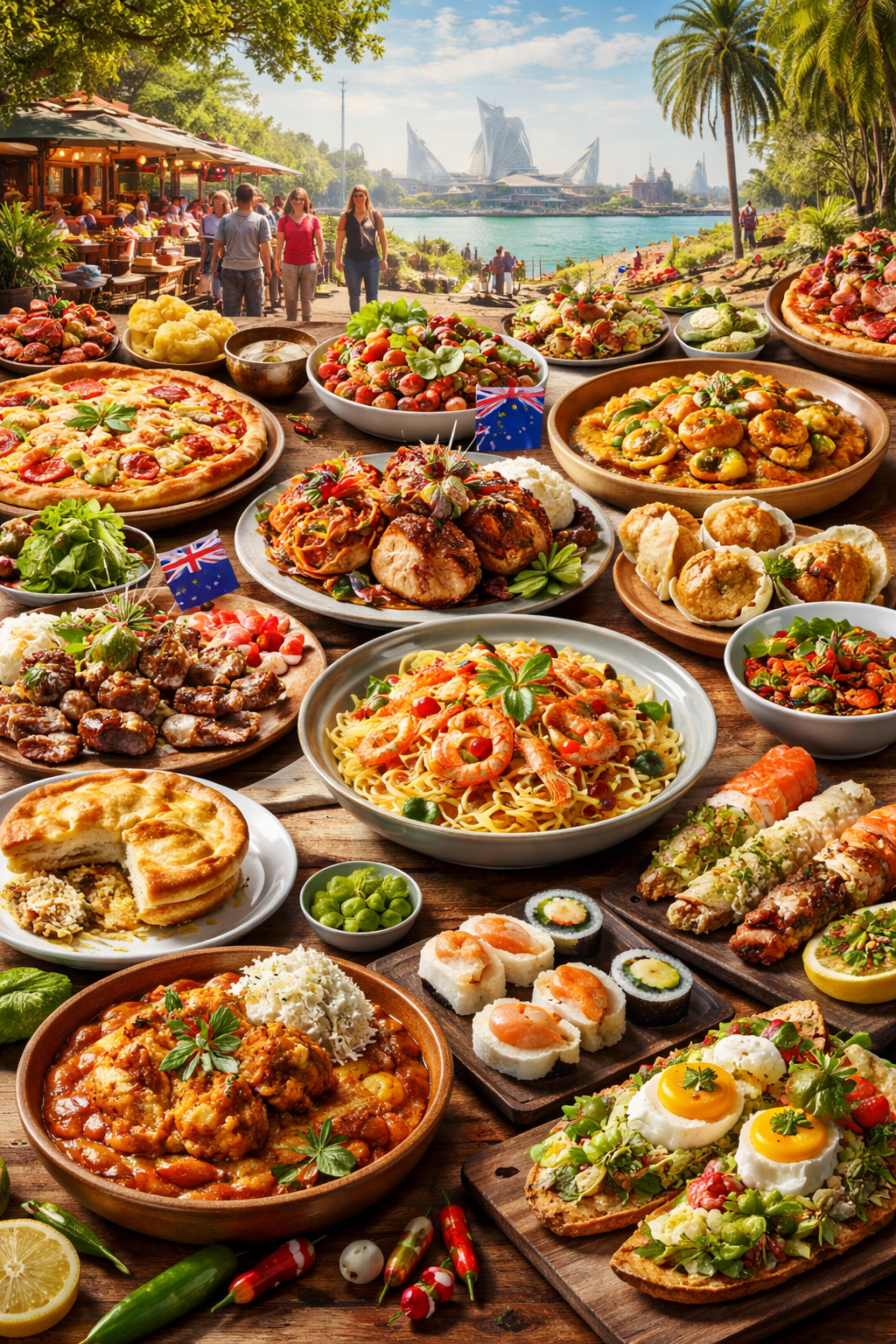
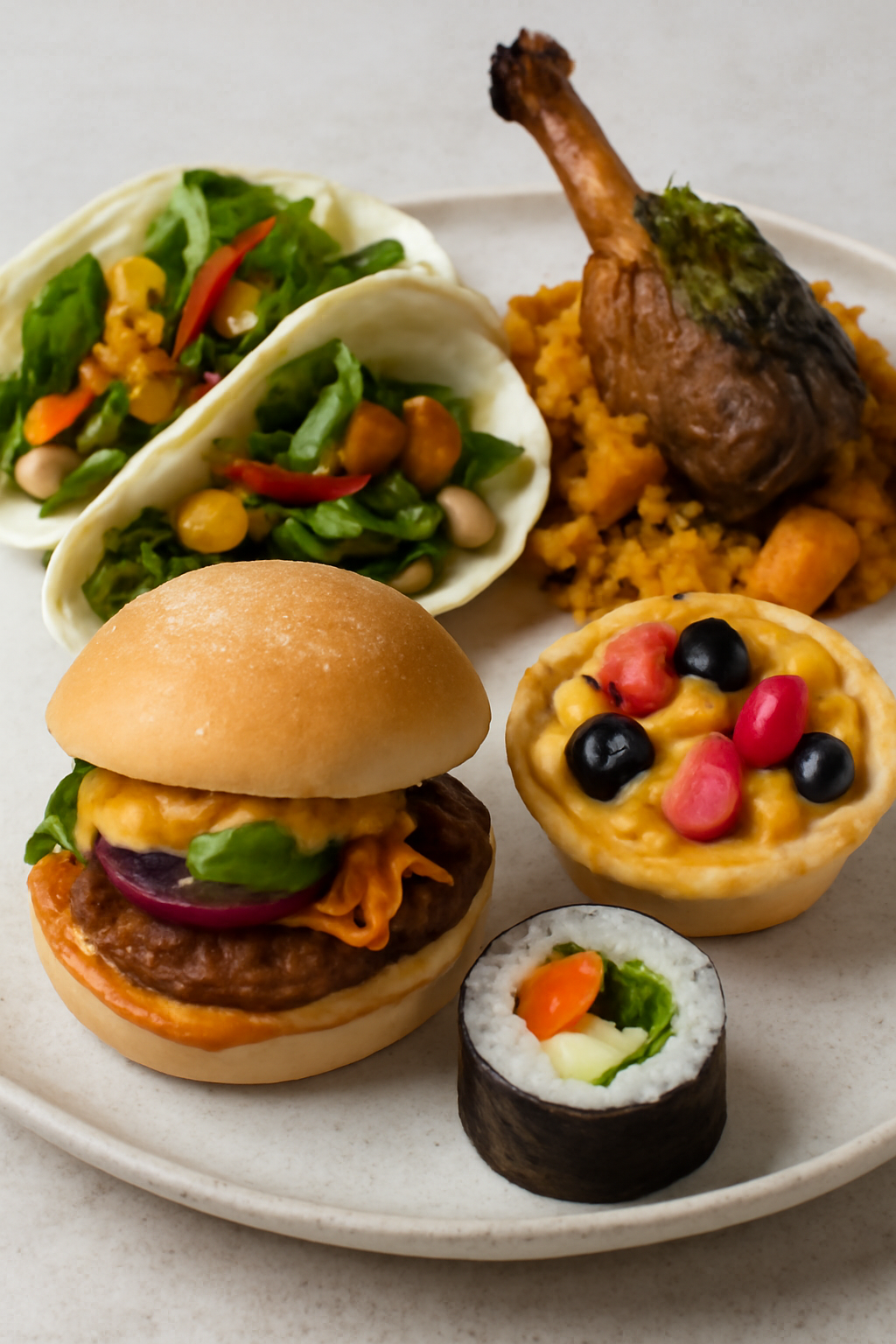
Fusion cuisine in Australia is a direct reflection of the country’s rich multicultural heritage, where different food traditions from around the world come together to create something entirely new. With waves of immigration bringing flavors from Asia, Europe, and beyond, Australian chefs and home cooks have adopted and adapted international ingredients and cooking techniques to create a cuisine that is uniquely Australian yet globally influenced.
One of the most exciting aspects of Australian fusion food is its ability to showcase the country’s diverse agricultural offerings while incorporating ingredients from other parts of the world. For example, Australian chefs often use native ingredients like wattleseed, bush tomatoes, and quandong to enhance dishes from different culinary traditions. These ingredients, which have been used by Indigenous Australians for thousands of years, add a distinctively local touch to international flavors, creating a fusion that is both innovative and deeply rooted in the land.
Asian cuisine, particularly Chinese, Thai, and Japanese, has had a major influence on Australian fusion food. For instance, Australian seafood like barramundi, mud crab, and lobster is often paired with traditional Asian cooking methods like steaming, stir-frying, or grilling. Similarly, local vegetables such as sweet potatoes and pumpkins are frequently incorporated into Chinese-style stir-fries or Japanese ramen bowls, adding a distinctly Australian flavor to these beloved dishes.
Mediterranean flavors have also found their way into the fusion food movement in Australia. Australian chefs have embraced ingredients like olive oil, feta cheese, and tzatziki, often using them to complement local meats such as lamb, beef, and poultry. Dishes like “Australian-style moussaka,” featuring lamb from the outback, or “prawns with Greek-style lemon and oregano,” showcase how Mediterranean flavors can be paired with Australian ingredients to create exciting new combinations.
The fusion food movement has also had a significant impact on Australia’s wine and dining culture. Australian wines, which are some of the best in the world, are often paired with fusion dishes to create harmonious and memorable meals. A crisp, refreshing Australian white wine may complement a spicy Thai-inspired dish, while a rich, full-bodied red could pair perfectly with a grilled kangaroo steak marinated in Mediterranean herbs.
Street food culture in Australia has been a major platform for fusion cuisine to flourish. Food trucks and pop-up eateries offer inventive takes on traditional dishes, often combining flavors from different cultures to create unique and delicious street food offerings. Whether it’s a taco filled with local kangaroo meat or a bánh mì sandwich with Australian lamb, these fusion dishes provide a fun and accessible way for people to explore global flavors while staying connected to Australian ingredients.
As Australia’s food scene continues to evolve, the influence of international culinary traditions will undoubtedly continue to shape the future of fusion cuisine. With its focus on creativity, diversity, and local ingredients, Australian fusion food remains one of the most exciting aspects of the country’s ever-changing gastronomic landscape.