Australia’s vaccination achievements are real, but so are the disparities. The overall coverage narrative can obscure communities for whom access is still fragile. Closing those gaps demands community-centred care, respectful communication, and a system that adapts to people rather than expecting people to adapt to the system.
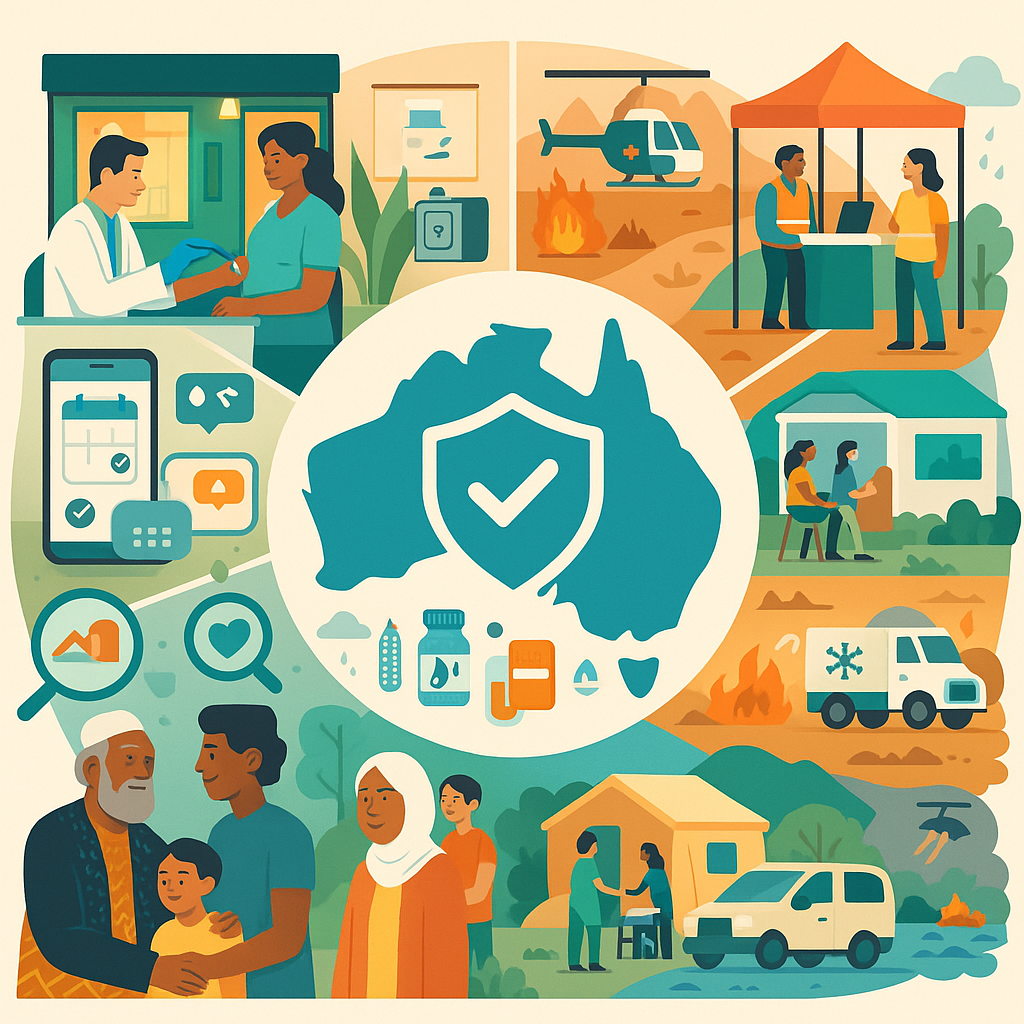
First Nations communities offer a clear lesson: when care is culturally safe and locally governed, outcomes improve. Aboriginal Community Controlled Health Services provide trusted environments, staffed by people who understand local languages, kinship structures, and health priorities. Flexible clinic hours, opportunistic vaccination during other visits, and outreach to homes or workplaces reduce missed chances. Importantly, leadership from Elders and community boards aligns public health goals with community values.
Remote geography magnifies logistical hurdles. Maintaining cold chain over long distances, coping with staff turnover, and timing visits around seasonal work or ceremonies all matter. Mobile clinics and visiting vaccination teams can plug gaps, but continuity is key. Data from the immunisation register should trigger early follow-up when doses are overdue, with local staff empowered to reach out in the manner that suits their community.
Migrants and refugees face different barriers—documentation gaps, unfamiliar health systems, and language obstacles. Catch-up schedules must be straightforward and affordable, with clear guidance about which doses are funded. Interpreters and translated materials are necessary, but trust also grows when community leaders co-design messages. Dispelling myths requires acknowledging concerns respectfully, not dismissing them.
Schools are powerful equalizers. By delivering adolescent vaccines where teens already gather, Australia reduces reliance on family transport or time off work. Consent processes should be simple, available in multiple languages, and backed by clear information for parents and carers. School nurses and visiting teams are often the first health professionals to identify students who need catch-up doses.
The health workforce needs support to make equity real. Extra time for conversations, protected funding for outreach, and training in motivational interviewing help clinicians address hesitancy without judgment. Reminder-recall systems can be tuned to send messages in preferred languages and via the channels people actually check—SMS, messaging apps, or mail.
Misinformation is best countered upstream. Pre-bunking—explaining common myths before people encounter them—has shown promise. Transparent safety reporting, including active post-vaccination check-ins, reinforces that the system is watching carefully and acting quickly. When local spokespeople carry these messages, they resonate more deeply than distant authorities.
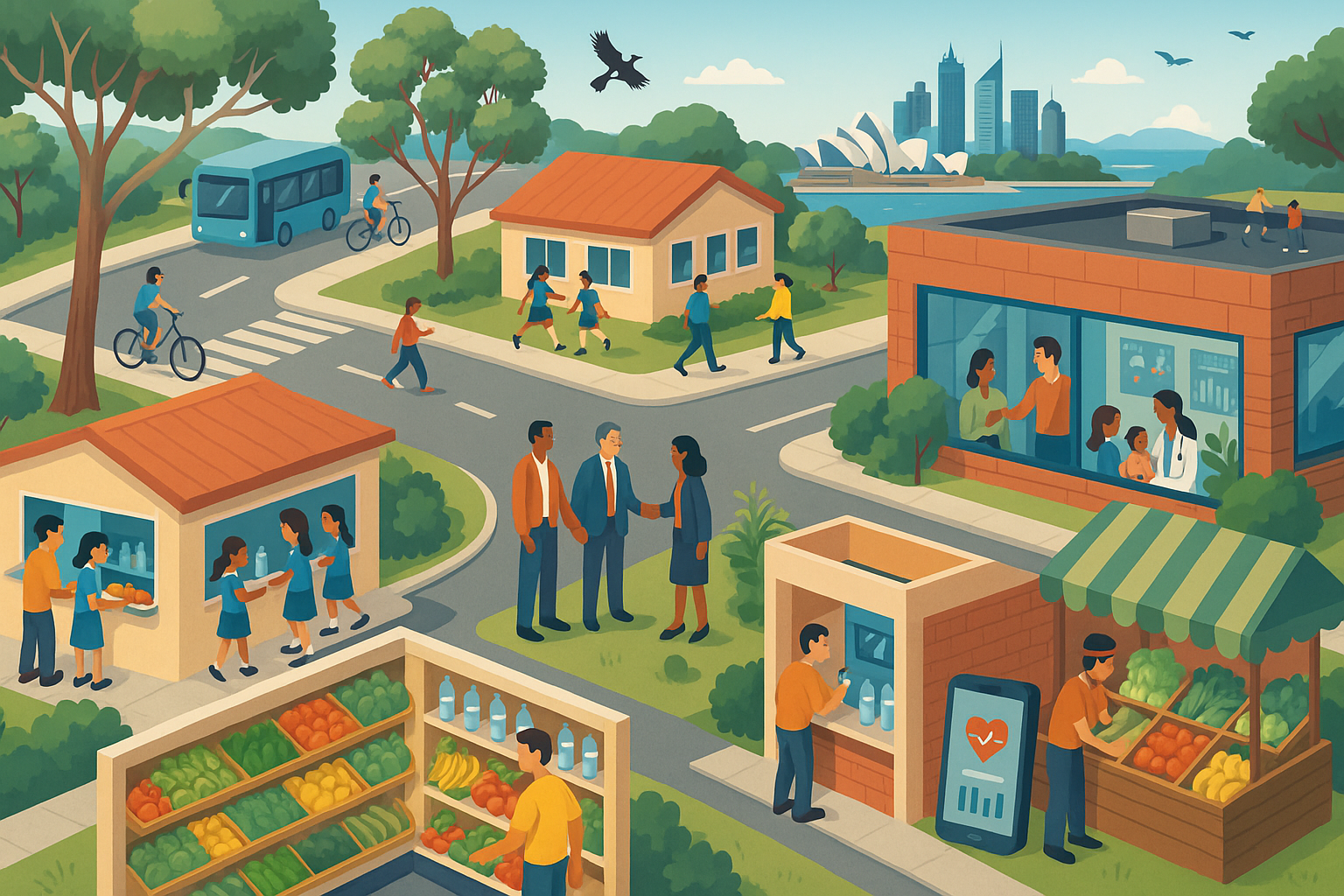
Finally, convenience is equity. Pharmacies offering evening and weekend hours, pop-up clinics at markets or community events, and vaccination alongside routine care (antenatal visits, chronic disease reviews) lower the activation energy needed to act. When the system bends toward people’s lives, uptake follows. Australia’s overall success is undeniable; making it universal requires meeting every community on its own terms.