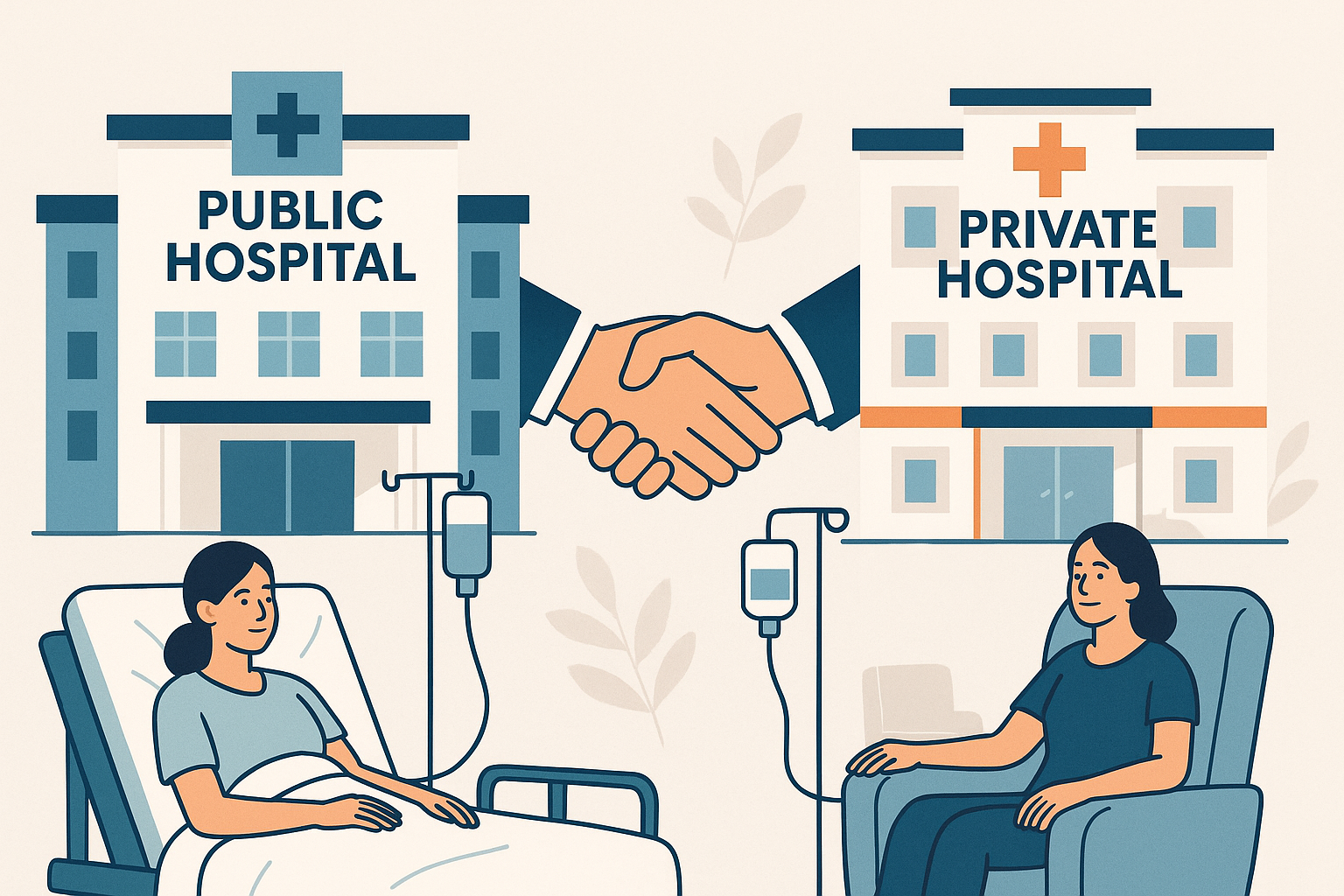
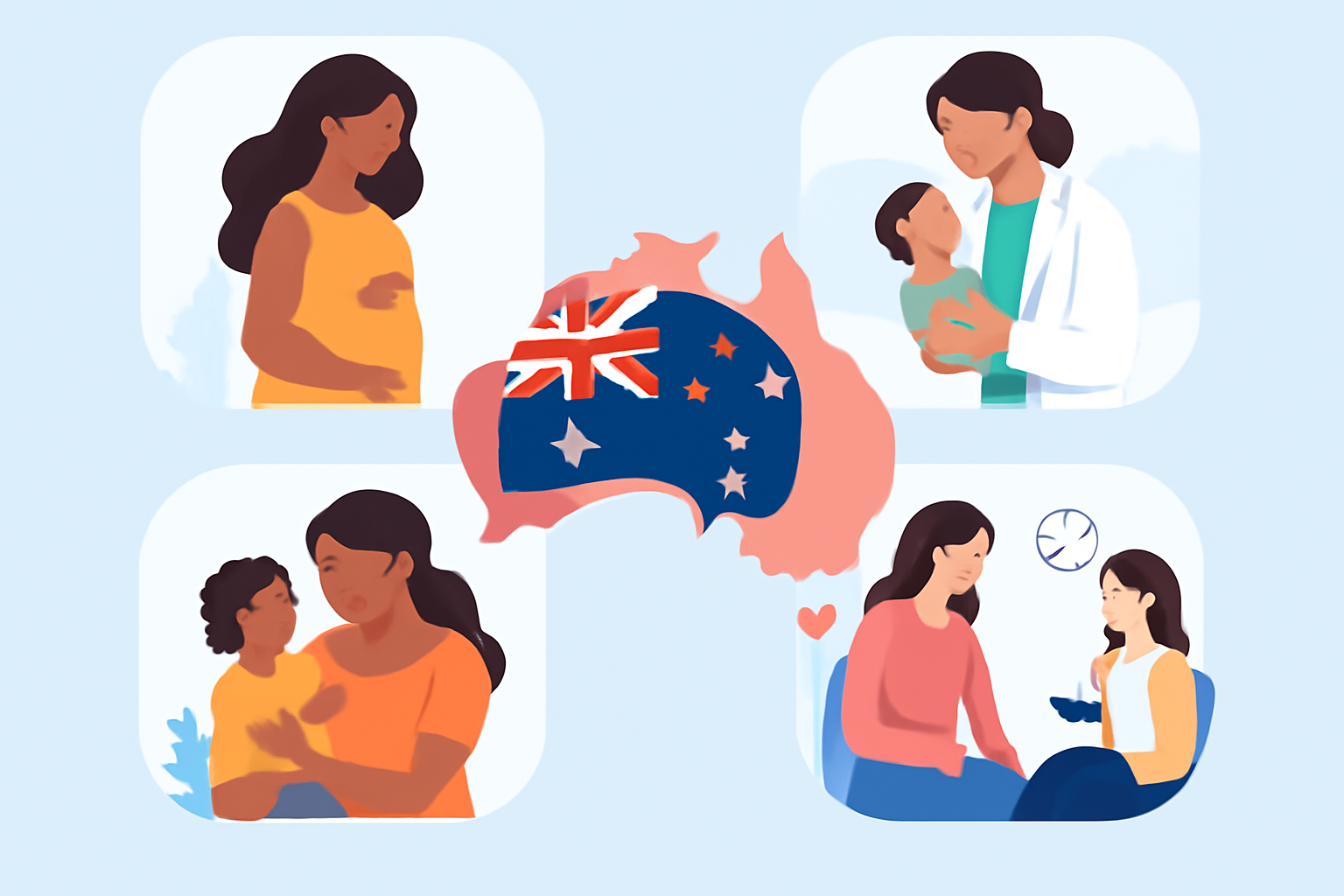
Australia is recognized globally for its robust healthcare system, and maternal and child health remains a priority for the government. Through a combination of national health policies, public health campaigns, and community-based programs, Australia continues to improve the health and well-being of mothers and children. The government has introduced several initiatives aimed at reducing maternal and child morbidity, promoting early intervention, and ensuring that all women and children have access to quality healthcare.
One of the most significant initiatives is the Maternity and Early Childhood Services program, which focuses on ensuring that women receive high-quality care throughout their pregnancy, childbirth, and postnatal stages. The Australian government provides funding for hospitals and clinics to deliver these services, with a strong emphasis on accessibility, particularly for women living in remote or underserved areas. The program ensures that women receive timely medical advice, support, and education to prepare for childbirth and the challenges of new motherhood.
Additionally, the Healthy Start for Kids program is designed to focus on early childhood health and development, addressing the needs of children from birth to five years old. This program provides regular check-ups to monitor physical and cognitive growth, as well as developmental screenings to detect any potential issues early. It also includes vaccinations and education on nutrition and physical activity to promote healthy habits from an early age.
The First 1000 Days of Life initiative, one of the government’s key strategies, acknowledges the critical nature of the first two years of a child’s life. During this time, proper nutrition, health monitoring, and parental education are essential for ensuring healthy growth and development. The program supports mothers through prenatal care, early childhood health services, and guidance on infant care, focusing on providing a solid foundation for lifelong health.
Another integral program is the Indigenous Maternal and Child Health Strategy, which addresses the health disparities faced by Indigenous Australians. This initiative tailors healthcare services to the unique cultural needs of Aboriginal and Torres Strait Islander communities, improving access to maternal and child health services in remote areas and ensuring that healthcare delivery respects Indigenous practices and values. The government works closely with local communities to design services that meet their specific needs, aiming to reduce health inequities and improve outcomes for Indigenous families.
The Australian government also places significant importance on maternal mental health, as evidenced by the Perinatal Mental Health Program. This initiative aims to address mental health challenges during pregnancy and the postnatal period. The program provides screening for mental health conditions such as depression and anxiety, which are common among new mothers. It also offers resources and counseling services to ensure that mothers receive the emotional support they need during this critical time.
In addition to these targeted programs, the government’s commitment to public health awareness plays a crucial role in maternal and child health. Campaigns on the importance of prenatal care, vaccination, and mental health education help inform the public and reduce health risks. For example, the Breastfeeding Awareness Campaign promotes the benefits of breastfeeding for both the mother and the child, providing resources on how to establish breastfeeding successfully and offering support for those who face challenges.
Australia’s efforts in improving maternal and child health reflect the country’s recognition that investing in the health of mothers and children leads to better long-term health outcomes for society. Through these comprehensive programs, the government works to ensure that every mother and child receives the support they need to thrive.