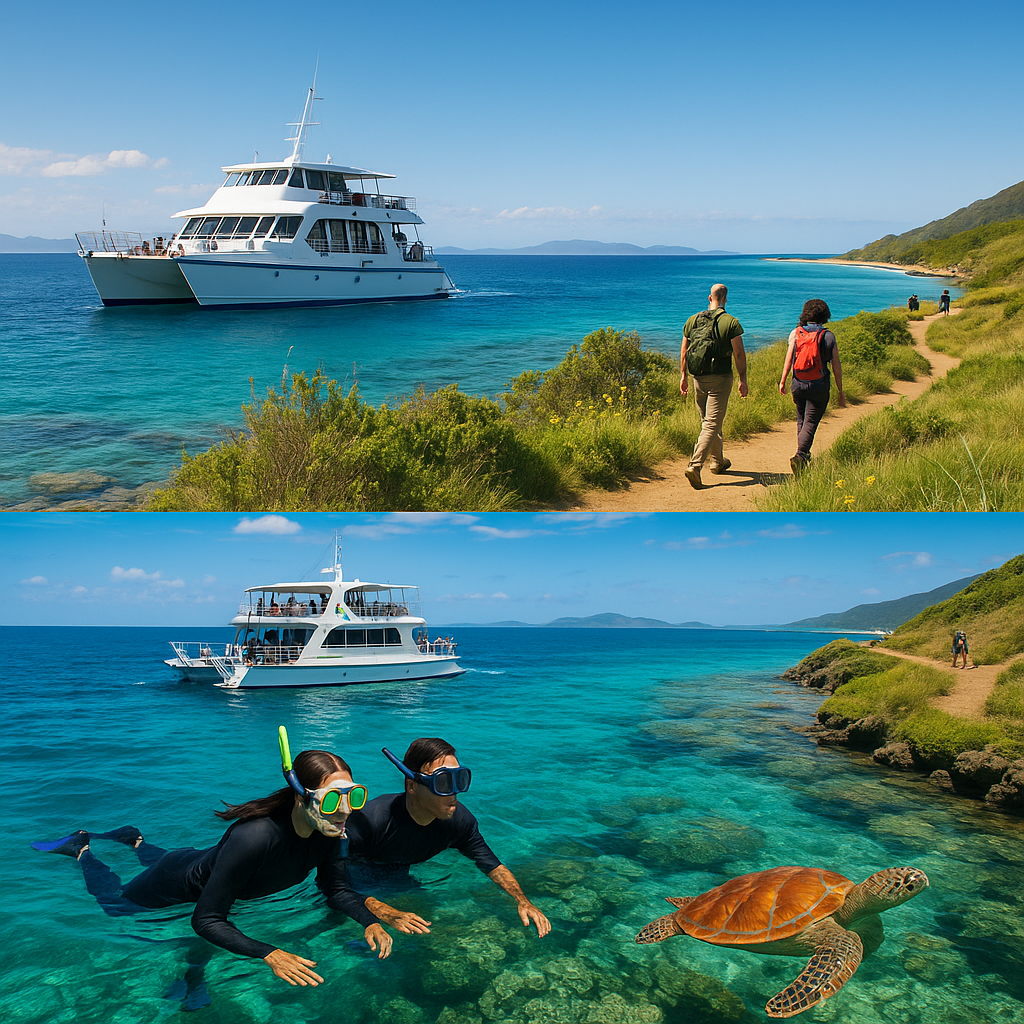
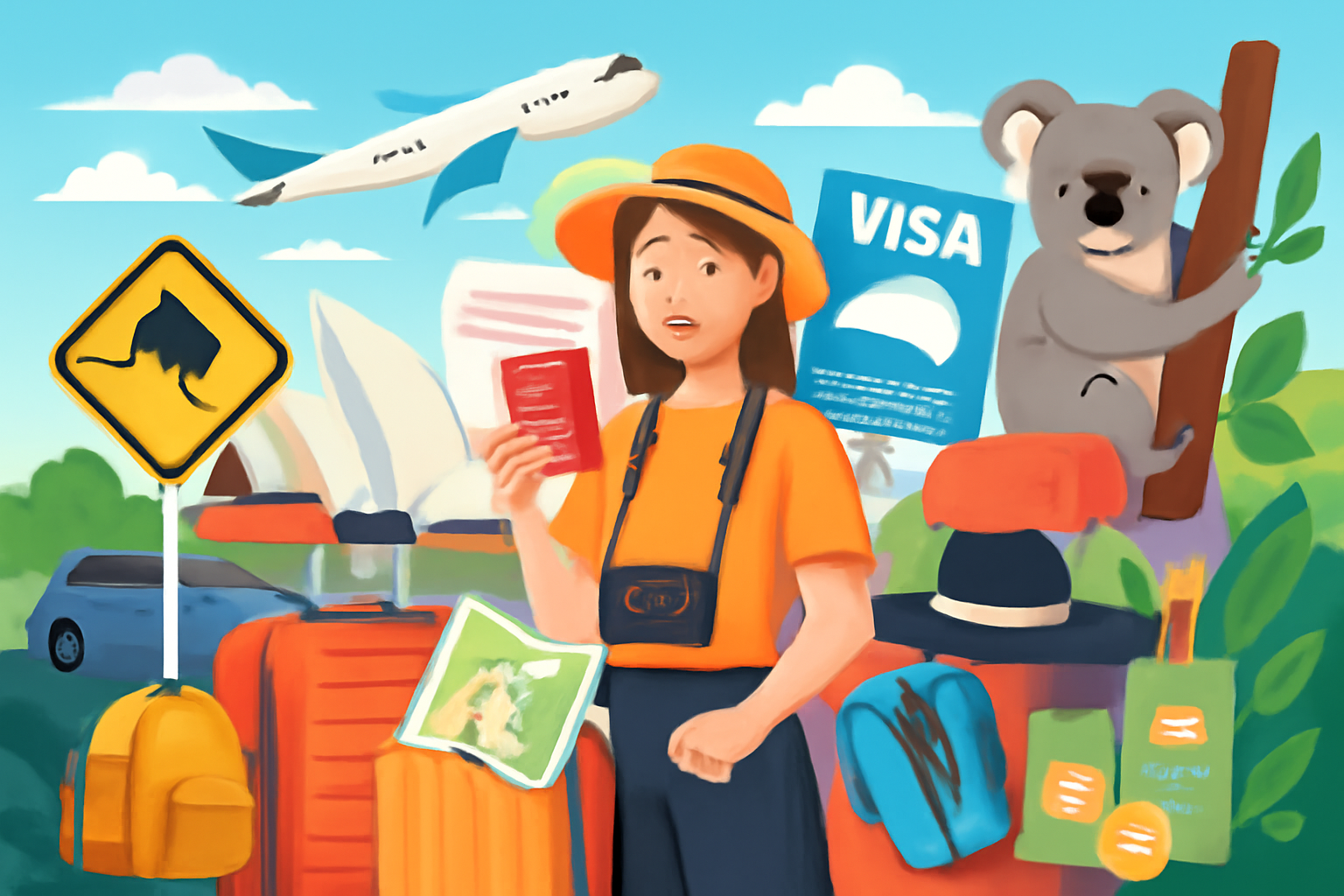
Australia is a dream destination for many, offering everything from pristine beaches to world-renowned wildlife and modern cities. However, a successful trip requires proper research and planning. Here’s everything you need to know to prepare for your adventure down under.
Visa Process and Requirements
To enter Australia, travelers must have the appropriate visa. Citizens from certain countries can apply for an electronic travel authority (ETA), which is a straightforward online process. Be sure to check the specific visa requirements based on your nationality well before your travel dates.
Optimal Travel Seasons
Australia’s vast size means that the climate differs across regions. The best time to visit depends on the part of the country you’re exploring. If you’re headed south to cities like Melbourne or Sydney, the warm months of December through February are ideal for outdoor activities. For the north, where it’s warmer year-round, plan for cooler months to avoid the wet season.
What to Pack for Australia
When traveling to Australia, packing appropriately is key to enjoying your trip. The country experiences a range of temperatures, so pack a mix of clothing for both warm and cool conditions. Don’t forget essentials like sunscreen, insect repellent, a sturdy hat, and comfortable walking shoes, especially if you plan on exploring Australia’s national parks or remote areas.
Getting Around Australia
Australia’s size means transportation options vary by region. Major cities have excellent public transportation systems, but if you’re venturing beyond urban centers, renting a car is often the best way to explore. Make sure to familiarize yourself with driving rules, including driving on the left. Domestic flights are also a quick way to travel long distances across the country.
Health Precautions
Australia is a relatively safe and healthy destination for tourists, but it’s essential to take precautions. The country has a high standard of healthcare, but travel insurance that covers health emergencies is always recommended. Additionally, make sure you are aware of any necessary vaccinations, especially if you’re planning to visit rural areas.
Currency and Costs
The Australian Dollar (AUD) is the country’s official currency. Although credit cards are widely accepted, carrying a small amount of cash can be helpful in more remote areas. Be aware of your spending, as Australia can be quite expensive, especially in cities like Sydney. Look for free or low-cost attractions, such as public beaches or nature reserves, to make the most of your budget.