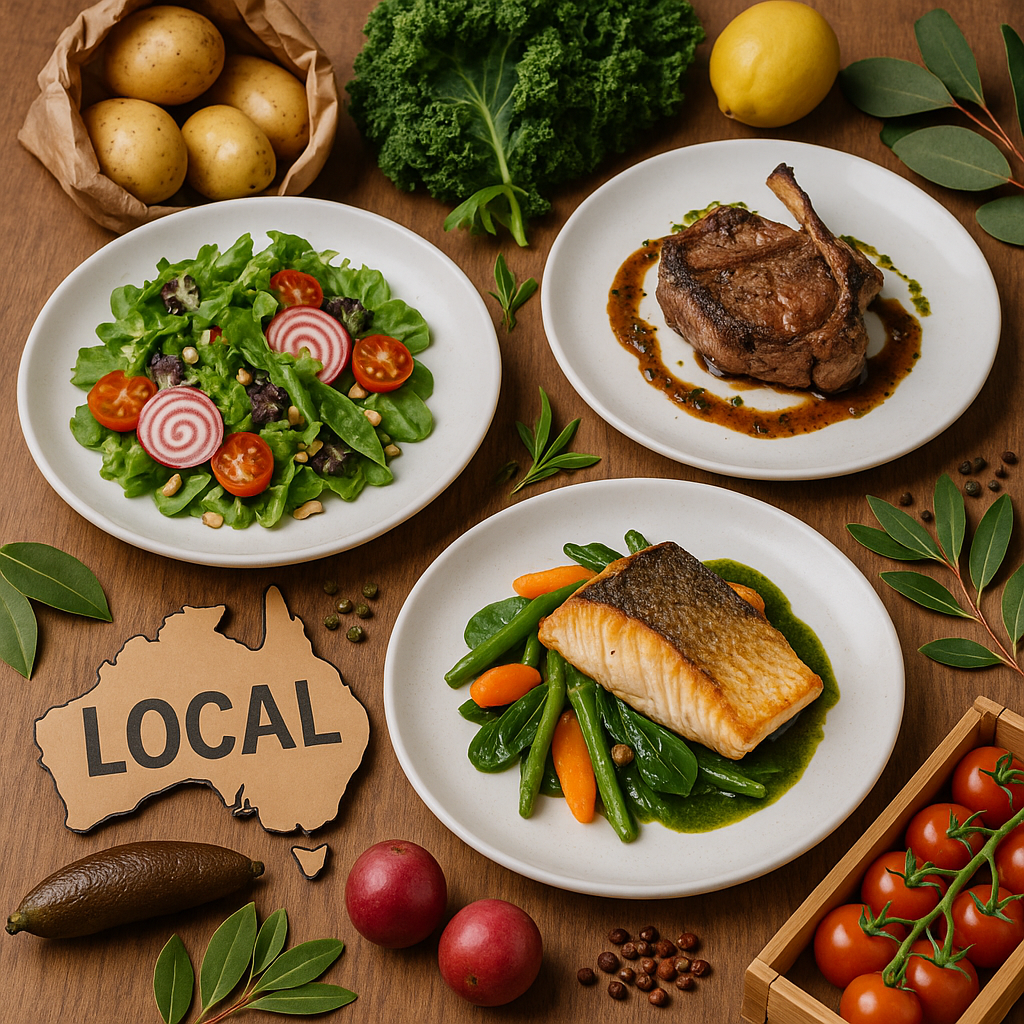

Australia’s cuisine is a fascinating blend of influences, from its Indigenous roots to the modern-day impact of immigration. As a melting pot of cultures, the food scene in Australia is as diverse as its population. Local ingredients, traditional dishes, and multicultural flavors come together to create a culinary experience unlike any other.
A deep dive into Australian food would be incomplete without acknowledging the significance of Indigenous ingredients, often referred to as bush foods. These foods were staples for the Aboriginal people for thousands of years, and today they are making a significant impact on contemporary Australian cooking. Kangaroo meat, for instance, has become increasingly popular due to its high protein content and low-fat profile. It has a unique, gamey flavor that is distinct from more common meats, making it a favorite in gourmet restaurants.
Other native ingredients include the wattleseed, a seed from the Australian acacia tree, which is often ground into flour and used to flavor baked goods or sauces. The finger lime, with its caviar-like texture, is a native citrus fruit that brings a tangy, refreshing burst of flavor to dishes. These ingredients are slowly becoming more widely available and are increasingly featured in modern Australian cooking, offering a taste of the country’s ancient food traditions.
Seafood is another cornerstone of Australian cuisine, especially in coastal areas. The Great Barrier Reef and Australia’s extensive coastline provide an abundance of fresh fish, prawns, and shellfish. Dishes like fish and chips, served with crispy battered fish and golden fries, are a beloved classic that never goes out of style. Another popular dish is Moreton Bay bugs, a type of shellfish that is native to Queensland. Often served simply with butter and garlic, this dish showcases the natural sweetness of the seafood.
Australia’s multicultural influence has had a lasting impact on its food culture. Waves of immigration have brought new flavors and cooking techniques to the country, blending seamlessly with local ingredients and creating new dishes. Italian, Greek, Chinese, and Southeast Asian flavors are now integral to Australian cuisine. You’ll find everything from pizza with unusual toppings like pineapple and egg to Vietnamese-inspired dishes like pho and bánh mì.
No discussion of Australian food would be complete without mentioning the iconic meat pie. This savory pastry filled with minced meat, gravy, and vegetables is a beloved comfort food and is often sold in bakeries across the country. Another popular dish is the sausage sizzle, a simple but satisfying barbecue dish made with sausages grilled to perfection and served on bread with onions and various sauces. The meat pie and sausage sizzle are often enjoyed at community events, making them quintessential Australian foods.
Brunch is a significant part of Australian dining culture, with cafés offering a variety of dishes that combine fresh, local ingredients with international influences. The Australian version of avocado toast, for example, is a perfect example of how Australian cuisine blends simplicity with creativity. Eggs benedict, often served with smoked salmon or avocado, is another brunch favorite.
Australia’s coffee culture is renowned worldwide, and cities like Melbourne have become famous for their specialty coffee. Australians take their coffee seriously, with many opting for a flat white, a drink similar to a latte but with a higher ratio of coffee to milk. Café culture is a central part of daily life, and it’s not uncommon to see people gathering over a cup of coffee, enjoying conversation, and savoring delicious food.
Wine is another important part of Australian culinary culture. The country’s wine regions, such as the Barossa Valley, produce some of the world’s best wines. Australian Shiraz, in particular, is highly regarded for its bold flavors and complexity. Pairing Australian wines with local dishes like grilled meats or seafood enhances the overall dining experience.
Australia’s food scene is a dynamic and evolving reflection of its diverse heritage. From traditional bush foods to global influences, Australian cuisine offers a wide range of flavors and experiences that are sure to satisfy any palate. Whether you are dining in the heart of Sydney or enjoying a barbecue in the outback, Australian food will leave you with a deep appreciation for the country’s culinary identity.