Australia’s clothing history is deeply entwined with the country’s Indigenous heritage and the influence of European colonization. The garments worn by Australians, both traditionally and in contemporary society, reflect a blend of practicality, cultural symbolism, and aesthetic expression. As Australia moves into the 21st century, the fusion of these influences creates a unique fashion identity that acknowledges the country’s rich cultural tapestry.
Traditional Garments of Indigenous Australians
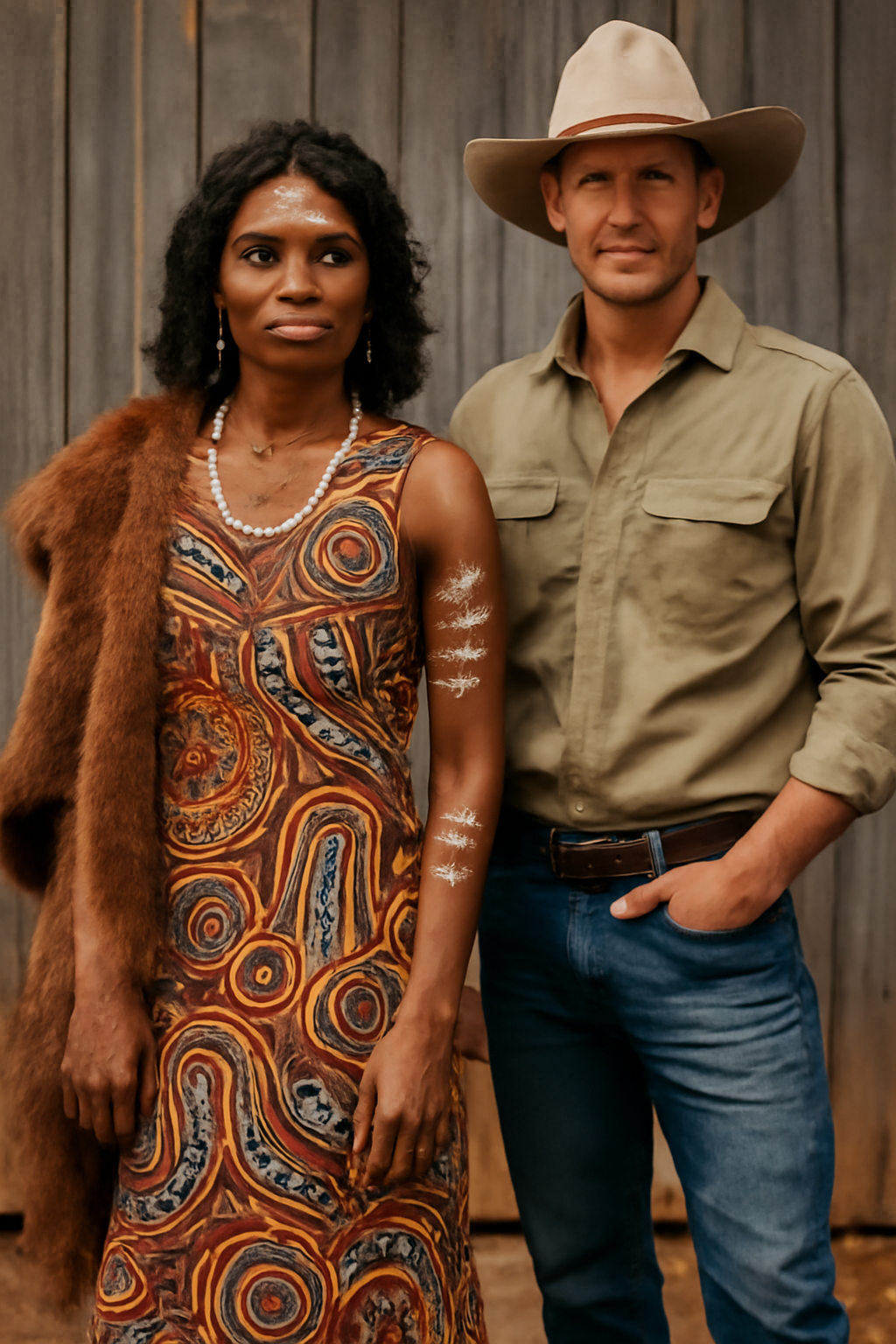
For Indigenous Australians, clothing was not merely about protection from the elements, but was also tied to cultural identity and spiritual beliefs. Indigenous Australian clothing varies greatly between regions due to differences in climate and lifestyle. In the tropical north, minimal clothing was often worn, and people adorned their bodies with natural decorations such as painted designs, feathers, and bone ornaments. In the cooler southern regions, fur-lined garments made from kangaroo, emu, and other native animals were crafted for warmth and protection.
Additionally, body art in the form of face and body painting, as well as the use of jewelry made from natural materials like shells, bone, and seeds, played an important role in the traditional clothing practices of Aboriginal and Torres Strait Islander peoples. These garments and adornments were used during significant cultural rituals and ceremonies, helping to pass down ancestral knowledge and spiritual connections.
The Transition to European Influence
The arrival of European settlers in the late 18th century marked the beginning of a profound change in Australian clothing traditions. European clothing, often heavy and cumbersome, was ill-suited to Australia’s harsh climate. Over time, however, settlers adapted their clothing to the conditions, leading to the development of iconic Australian clothing items like the wide-brimmed hats, leather boots, and rugged work shirts that are now associated with the iconic Australian outback.
In the 19th century, Australian wool became a key material in fashion production, providing a more locally adapted alternative to imported fabrics. This shift helped create a distinct Australian style, one that combined the necessity of practicality with the influence of British fashion.
Modern Australian Fashion and Indigenous Influence
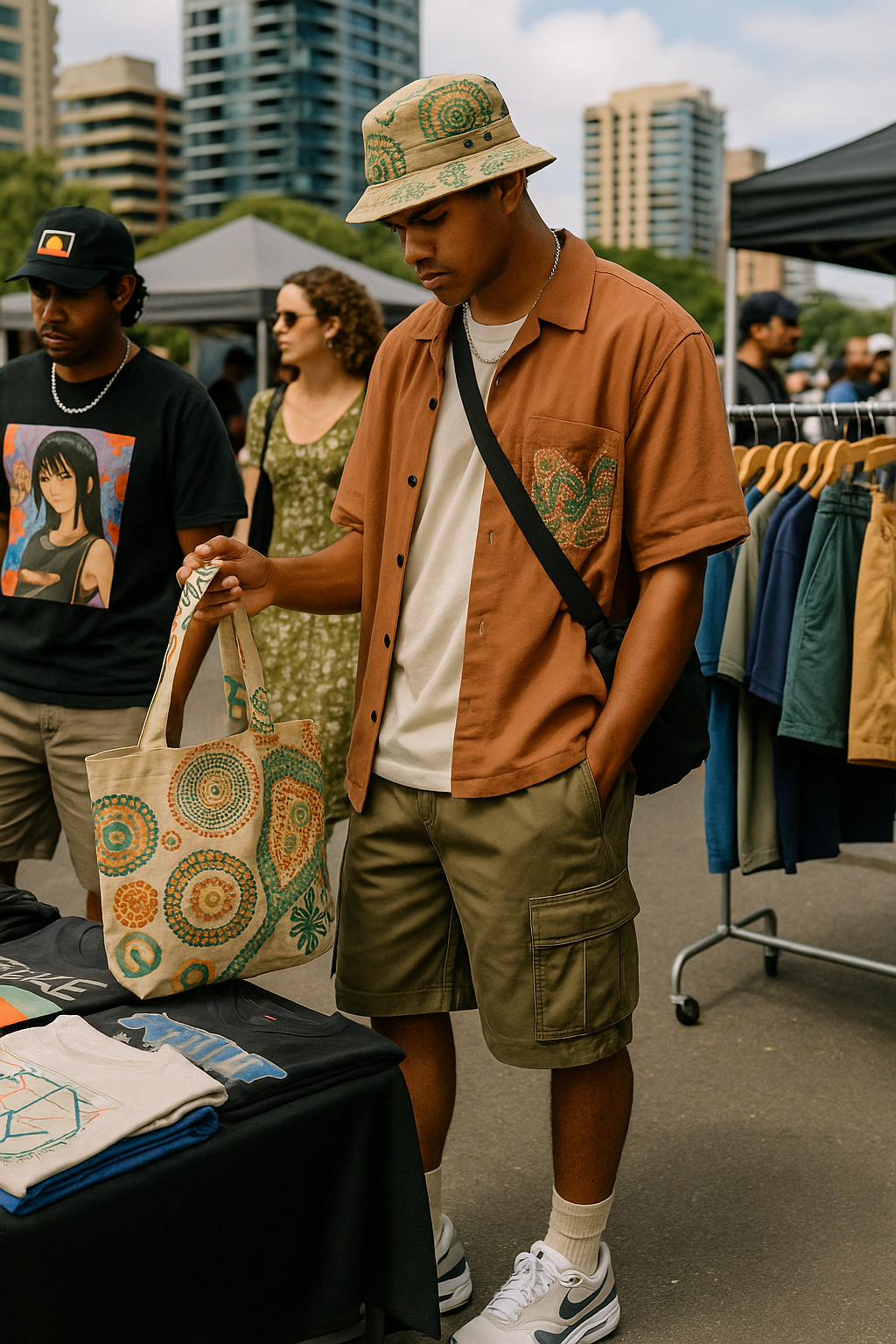
In the contemporary Australian fashion scene, there has been a resurgence of interest in Indigenous designs, with fashion designers incorporating traditional art and motifs into modern clothing lines. Indigenous Australian artists and designers such as Grace Lillian Lee and Melinda Barlow have found ways to merge their cultural heritage with contemporary fashion. These designers are leading a movement that brings Aboriginal and Torres Strait Islander art into mainstream fashion, ensuring that these cultural practices are kept alive in the modern world.
Public events like NAIDOC Week have also provided platforms for celebrating Indigenous Australian fashion. These celebrations highlight traditional styles, with clothing often crafted from natural materials and adorned with meaningful designs that reflect Indigenous stories, language, and connections to the land.
Sustainability and the Future of Australian Fashion
The growing demand for sustainable fashion has encouraged Australian designers to look toward the country’s traditional clothing techniques. By using natural dyes, plant fibers, and animal skins, many designers are creating garments that emphasize environmental stewardship while simultaneously honoring Indigenous cultural practices. This focus on sustainability connects contemporary Australian fashion with its past, demonstrating how tradition can be integrated into future clothing trends.
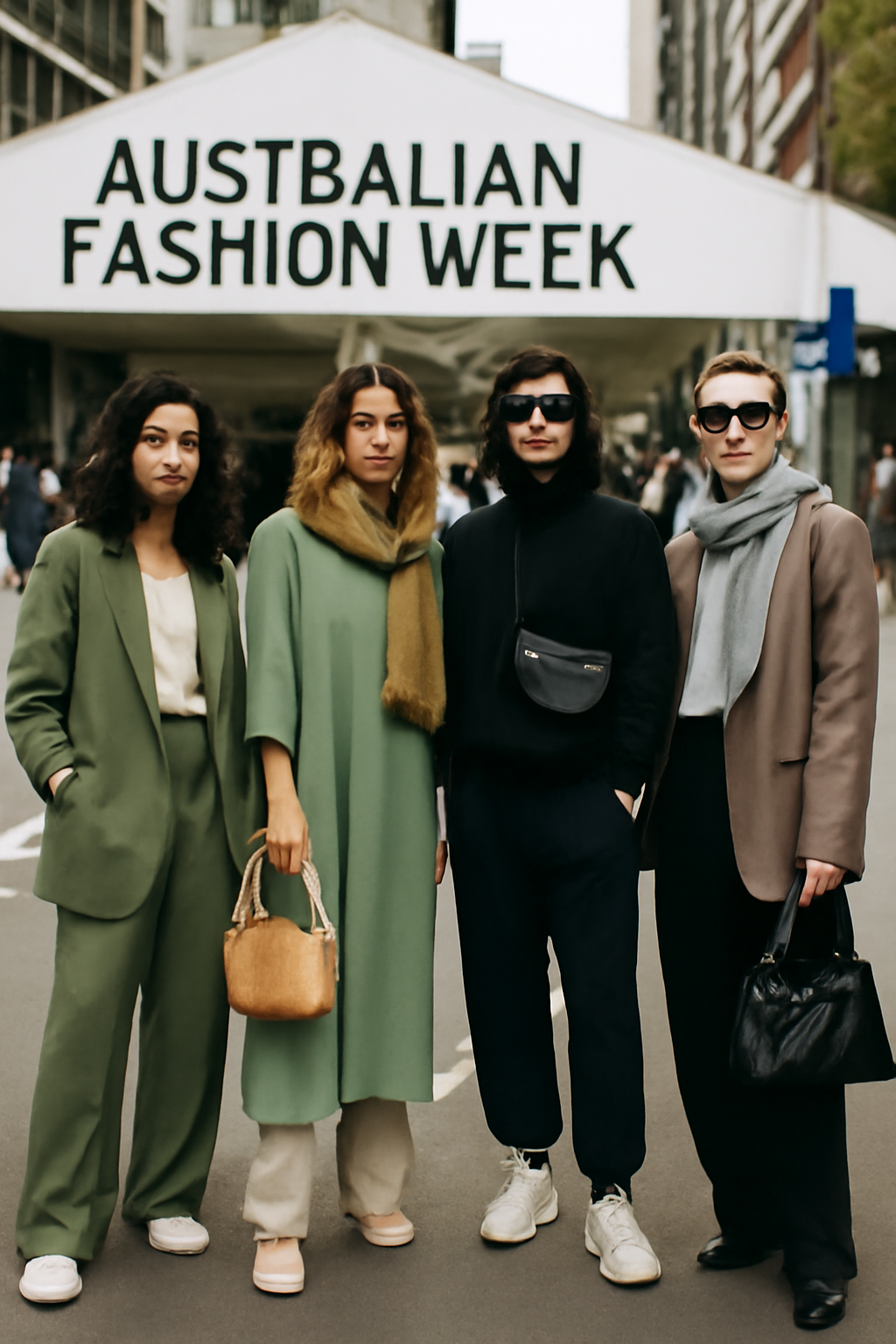
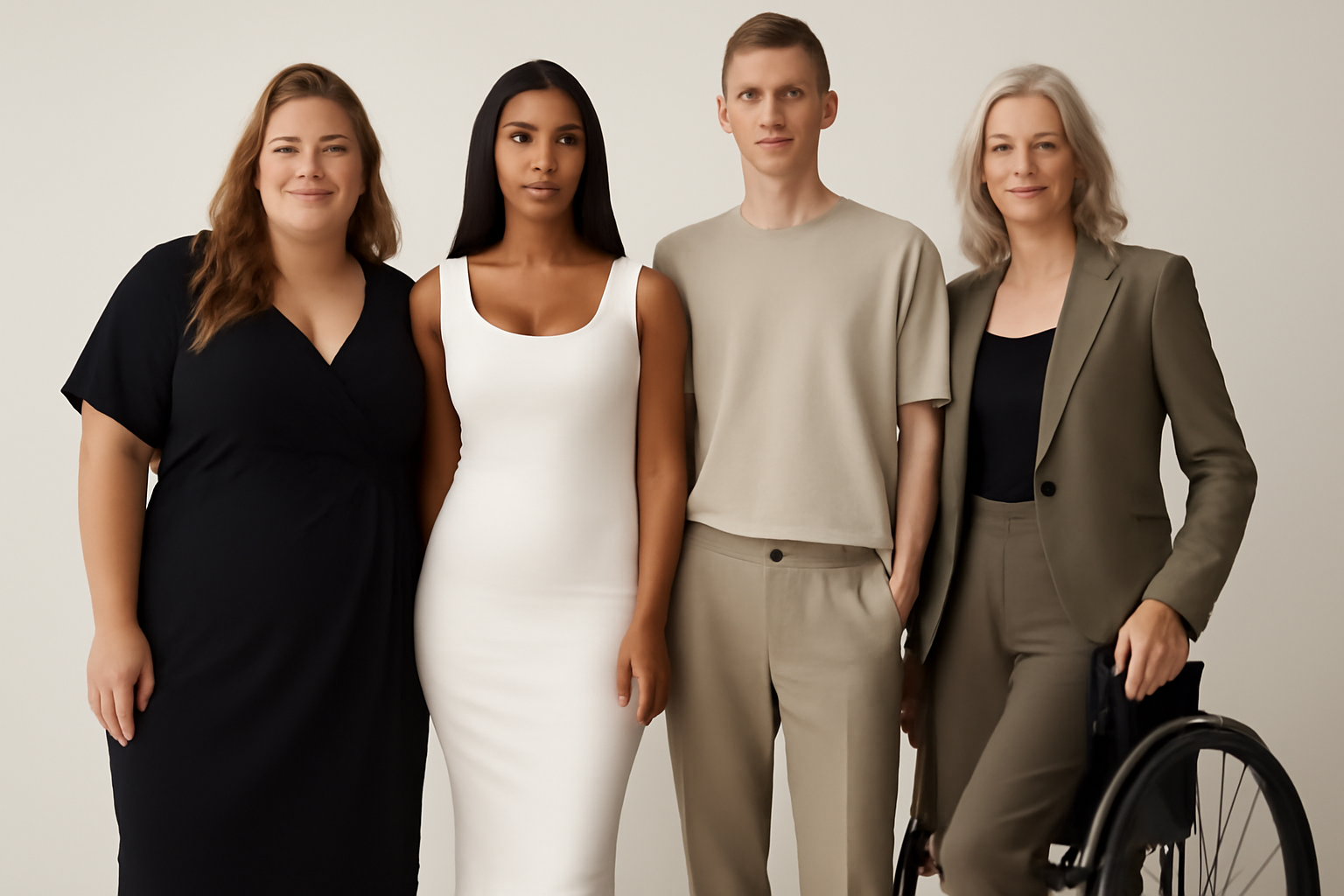
Australia’s fashion future is one of diversity, inclusivity, and sustainability. By acknowledging its colonial and Indigenous past, and embracing modern influences, the Australian fashion scene has the potential to become a leading force in the global conversation about culture, style, and environmental consciousness.